How to Propagate Ironweed?
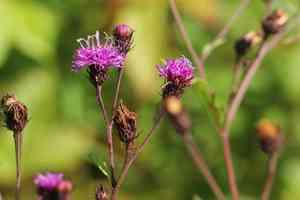
The most effective way to propagate Ironweed is by planting seeds in the springtime, as this period offers the best prospects for successful sprouting. This procedure is quite straightforward, with vigorous young plants signaled by the appearance of green sprouts. Ensure sufficient hydration is provided for peak development.
Optimal Period for Ironweed Propagation
Propagation Method
Seeding
Propagation Period
Spring
Tools for Ironweed Propagation
Seed trays
Seed trays are shallow containers with compartments for individual seeds. They allow for efficient use of space and easier management of multiple ironweed seeds. The divisions prevent root tangling, simplifying transplantation once seedlings mature.
Misting bottle
A misting bottle provides a fine water spray, essential for maintaining the moisture levels needed for ironweed seed germination without dislodging or waterlogging the seeds.
Heating mat
A heating mat delivers consistent warmth from below, promoting faster germination for ironweed seeds. This is crucial for plants requiring a stable temperature range to begin growth.
Grow lights
Grow lights supply the necessary light spectrum to support seedling development when natural sunlight is unavailable. They help ironweed seedlings perform photosynthesis and produce robust, healthy growth indoors.
Peat pots
Peat pots are biodegradable containers that enable direct transplantation of ironweed seedlings into the soil, minimizing root disturbance and transplant shock, which is vital for delicate root systems.
Fine vermiculite or perlite
Vermiculite or perlite can be added to the potting mix to enhance aeration and drainage, which are crucial for ironweed, as it prevents soil compaction and root rot during the germination phase.
Dibber or seed sowing tool
A dibber is used to create uniform holes or depressions in the soil to place ironweed seeds at the correct depth, ensuring optimal conditions for seed germination and root development.
Steps to Propagate Ironweed
Propagation Method
Seeding
Difficulty Level
Easy
Caring for Your Newly Propagated Ironweed
Caring for Your Newly Propagated Ironweed
Watering: ironweed tolerates drought once established but needs regular watering during its first growing season to develop a strong root system. Fertilization: ironweed typically doesn't need fertilizer if planted in average to rich soil. Pruning: Deadhead spent ironweed blooms to encourage more flowering or seed development as desired. Cut back plants in late winter before new growth starts. Pest and Disease management: Monitor ironweed for common pests and diseases, though it is generally a robust and resistant species. Support: As ironweed grows tall, it may need support in windy areas to prevent stem breakage.
Common Errors to Avoid When Propagating Ironweed
Overwatering
Excessive watering can lead to root rot and fungal growth, which can harm ironweed. This may result in weakened stems and an unhealthy plant unable to sustain successful propagation.
Using overly compact soil
Employing heavy or dense soil can hinder root growth, limiting the plant's ability to absorb nutrients and water effectively. Proper aeration is vital for the healthy development of ironweed's root system.
Ignoring pests
Failing to monitor for pests can result in infestations that can damage or kill young ironweed propagates. Vigilance is crucial to prevent pests from impeding the propagation process.
Cutting improper stem sections
Taking cuttings from the wrong part of the plant can lead to unsuccessful rooting. Cuttings should be taken from healthy, non-flowering stems for the best chance of taking root.
Tips For Propagating Ironweed
Humidity control
Maintaining appropriate humidity levels around the cuttings can promote rooting. Using a plastic cover can help retain moisture and create a beneficial mini-greenhouse effect for ironweed.
Proper rooting medium
Choosing a well-drained, light rooting medium supports the development of ironweed's roots, allowing for better growth and preventing root rot.



