How to Propagate Sweet viburnum?
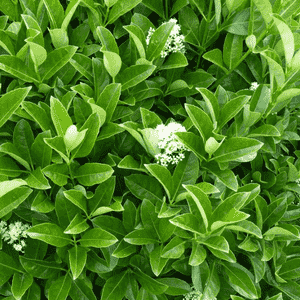
Sweet viburnum is best propagated in the spring and summer seasons using stem sections. These sections need careful attention to establish roots effectively. Observe for the emergence of fresh shoots as a sign of successful rooting, and provide sufficient hydration and atmospheric moisture for optimal outcomes.
Optimal Period for Sweet Viburnum Propagation
Propagation Method
Cutting
Propagation Period
Spring, Summer
Essential Tools for Sweet Viburnum Propagation
Sharp pruning shears
Pruning shears are crucial for taking cuttings from sweet viburnum. They must be sharp to ensure a clean cut that avoids crushing the stem. A precise cut enhances rooting success by minimizing damage and disease risk. Opt for bypass blade shears for a cleaner slice.
Rooting hormone
Rooting hormone aids in the development of roots in sweet viburnum cuttings. Available as powder or liquid, it promotes faster root establishment. Applying a small quantity to the cutting's base before planting helps boost propagation success rates.
Sterile potting mix
A sterile potting mix ensures sweet viburnum cuttings are placed in a pathogen-free medium, crucial for preventing fungal infections that can hinder root growth. A well-draining, nutrient-rich mix supports healthy root development.
Containers or pots
Appropriate containers or pots for holding the sterile potting mix are necessary for rooting sweet viburnum cuttings. These should have sufficient drainage holes to prevent waterlogging, which can be detrimental to root development.
Plastic bags or humidity dome
A humidity dome or clear plastic bags help maintain moisture around sweet viburnum cuttings, creating a greenhouse-like environment with high humidity. This prevents cuttings from drying out before roots can establish.
Heat mat
A heat mat provides gentle warmth from below, which can stimulate root growth in sweet viburnum cuttings. This is particularly beneficial in cooler settings or during periods of lower ambient temperatures. Consistent warmth at the container's base can accelerate root development.
Steps to Propagate Sweet Viburnum
Propagation Method
Cutting
Difficulty Level
Moderately Challenging
Post-Propagation Care for Your Sweet Viburnum
Post-Propagation Care for Your Sweet Viburnum
After propagation, continue to care for the young sweet viburnum by ensuring it receives adequate water to keep the soil consistently moist but not waterlogged. Provide it with moderate sunlight, avoiding the harshest part of the day. As the sweet viburnum matures, fertilize with a balanced slow-release fertilizer to support its growth. Prune to shape and maintain desired size, and protect from extreme temperatures and pests as needed. Gradually acclimate the sweet viburnum to more direct sunlight and the outdoor environment if propagated indoors.
Common Errors to Avoid When Propagating Sweet Viburnum
Poor cutting selection
Choosing weak or diseased cuttings can result in poor root development and propagation failure. Healthy, robust cuttings from sweet viburnum are essential for successful rooting.
Incorrect cutting length
Cuttings that are too short or too long may struggle to root. An optimal size balances sufficient leaf surface for photosynthesis and enough stem for water and nutrient absorption.
Excessive watering of cuttings
Keeping the soil too wet can cause sweet viburnum cuttings to rot before they can root. Consistent moisture is vital, but overwatering can be harmful.
Ignoring disease prevention
Not sterilizing propagation tools or using unclean pots can introduce diseases to sweet viburnum cuttings, potentially jeopardizing the entire propagation effort.
Neglecting humidity levels
Sweet viburnum cuttings require high humidity to prevent desiccation before roots have formed. Ignoring this can lead to water loss and cutting death.
Overuse of rooting hormone
Applying too much rooting hormone to sweet viburnum cuttings can hinder root growth or damage plant tissue. It's crucial to use the correct amount and concentration.
Advice for Propagating Sweet Viburnum
Select healthy parent plant
Choose a vigorous and disease-free parent plant for cuttings. This enhances the chances of successful rooting and strong growth for sweet viburnum.
Cut at the correct node
Make cuttings just below a leaf node to increase the likelihood of root initiation. Nodes are where roots are more prone to form on sweet viburnum.
Use a well-draining medium
Rooting medium for sweet viburnum should drain effectively to prevent waterlogging and promote aeration, which aids root development.
Maintain ideal humidity
Create a humid environment by using a plastic cover or misting to keep moisture levels high, which is essential for sweet viburnum cuttings while they establish roots.
Provide indirect light
Place cutting of sweet viburnum in indirect light to minimize stress and support photosynthesis, which is critical for energy during root development.
Monitor for pests and diseases
Regular checks for pests and disease will allow for immediate intervention if issues arise, giving sweet viburnum cuttings the best chance at successful propagation.



