How to Propagate Rusty blackhaw?
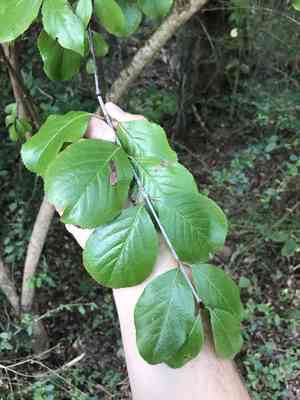
Rusty blackhaw is most effectively multiplied in the fall and winter seasons via cutting and layering techniques, presenting a moderate challenge. The emergence of fresh shoots indicates successful propagation. Maintaining steady humidity and providing warmth from below will hasten root development.
Optimal Period for Rusty Blackhaw Propagation
Propagation Method
Cutting
Propagation Period
Autumn,Winter
Tools Required for Rusty Blackhaw Propagation
Sharp pruning shears
Pruning shears are vital for obtaining healthy, precise cuttings from rusty blackhaw. Their sharp blades ensure clean cuts, minimizing harm to both the parent plant and the cutting, thus promoting better healing and rooting.
Rooting hormone
Rooting hormone stimulates root development on rusty blackhaw cuttings. Applying it to the cut end of the cutting can improve the likelihood of successful rooting by encouraging faster and more uniform root formation.
Sterilizing agent (e.g., alcohol or bleach solution)
A sterilizing agent is used to sanitize cutting tools before use, reducing the risk of disease transmission to rusty blackhaw. Sterile tools are essential for preventing infections that could compromise the cuttingâs ability to root and grow.
Potting mix or soilless medium
A well-draining and sterile potting mix offers an ideal setting for rusty blackhaw cuttings to root. The medium should retain adequate moisture while allowing excess water to drain, preventing root rot.
Propagation trays or pots
Propagation trays or pots house rusty blackhaw cuttings as they develop roots. They should provide ample space for growth and include drainage holes to manage surplus water.
Plastic dome or clear plastic bag
A plastic dome or bag creates a humid microenvironment that helps maintain moisture around rusty blackhaw cuttings. This is beneficial for preventing the cuttings from drying out before they can establish roots.
Heat mat (optional)
A heat mat can be advantageous for rusty blackhaw propagation, providing bottom heat that can encourage quicker root development. Consistent warmth can particularly assist rooting during cooler seasons or in colder climates.
Post-Propagation Care for Your Rusty Blackhaw
How to Care for Your Newly Propagated Rusty Blackhaw?
Once roots are established, gradually introduce the rusty blackhaw to less humid conditions by opening the plastic covering over several days. Afterward, transfer it to a larger pot with standard potting soil and water regularly to maintain consistent moisture. Rusty blackhaw prefers partial to full sunlight and well-draining soil rich in organic matter. During the initial growing season, especially during dry spells, ensure thorough watering to promote robust root development. As rusty blackhaw matures, it becomes drought-tolerant. Prune rusty blackhaw as needed to encourage a desirable shape and to remove any dead or damaged branches.
Common Errors to Avoid When Propagating Rusty Blackhaw
Inadequate preparation of cuttings
Improperly preparing rusty blackhaw cuttings can result in poor rooting. Removing too few or too many leaves or making cuts in the wrong location can decrease the chances of success.
Overwatering
Excessive watering can lead to root rot in rusty blackhaw cuttings. Saturated soil conditions are harmful and can kill new roots before they can establish.
Unsuitable cultivation environment
Attempting to root rusty blackhaw cuttings in an inappropriate environment, such as one with insufficient humidity or light, can impede root development and lead to failure.
Neglecting disease prevention
Failing to take preventative measures against disease can cause rusty blackhaw to contract infections, severely impacting propagation outcomes.
Advice for Propagating Rusty Blackhaw
Proper cutting selection
Choosing healthy, semi-hardwood cuttings from rusty blackhaw can significantly boost rooting potential. Select cuttings from new growth that has begun to firm up.
Rooting hormone application
Utilizing a rooting hormone can enhance the success rate of rusty blackhaw propagation by encouraging root growth and development.
Soil and moisture equilibrium
Maintaining a balanced moisture level in the soil is crucial. The medium should be moist but not waterlogged to support the rooting of rusty blackhaw.
Regulated environment
Propagating rusty blackhaw in a controlled environment, such as a greenhouse or under a humidity dome, can create optimal conditions for cuttings to root and grow.



