How to Propagate Chinese wisteria?
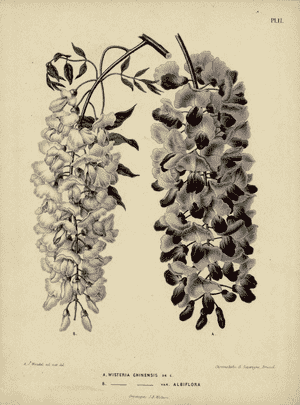
Wisteria sinensis can be reproduced via softwood cuttings or by layering during the spring or summer seasons. This propagation method presents a moderate challenge, yet indicators of successful establishment include the emergence of fresh shoots or root development. For effective propagation, it is crucial to maintain damp soil conditions and supply adequate light and nourishment.
What Is the Best Time To Propagate Chinese Wisteria?
Propagation Type
Cutting
Propagation Season
Spring,Summer
What Tools Are Used in Chinese Wisteria Propagation?
Pruning Shears
These are essential for taking cuttings from chinese wisteria. Sharp, sanitized blades ensure clean cuts without harming the parent plant, reducing the chance of disease transmission during the cutting process.
Rooting Hormone
This promotes root growth in chinese wisteria cuttings. By applying rooting hormone to the cut end, cuttings are more likely to establish successfully, leading to a higher propagation rate.
Potting Mix
A light, well-draining potting mix is crucial for chinese wisteria as it offers support and the correct balance of air and moisture for newly forming roots. It should be pathogen-free to protect the cutting's health.
Propagation Trays
These are designed to hold new chinese wisteria cuttings in place while they develop roots. Trays should have proper drainage to prevent excess water from causing root rot.
Plastic Dome or Bags
Used to create a mini greenhouse effect around chinese wisteria cuttings, maintaining high humidity which is important for encouraging root formation without the foliage losing too much moisture.
Misting Bottle
A misting bottle is used to keep the chinese wisteria cuttings adequately moist. Regular misting ensures the foliage and developing roots don't dry out, which is critical for chinese wisteria's sensitive cuttings.
Heating Mat
Since chinese wisteria cuttings benefit from bottom heat to stimulate root growth, a heating mat helps to maintain consistent, optimal temperatures, improving the chances for successful propagation.
How to Care for Your Newly Propagated Chinese Wisteria?
How to Care for Your Newly Propagated Chinese Wisteria?
Once the chinese wisteria plant has been successfully propagated and established, it should be planted in a location with full sun to partial shade and provided with a sturdy support structure, as the chinese wisteria can grow vigorously. Regular pruning is crucial to maintain size, encourage flowering, and prevent it from becoming invasive. Monitor for pests and diseases, and water during prolonged dry periods to ensure the health of the chinese wisteria.
Common Mistakes to Avoid When Propagating Chinese Wisteria
Ignoring root crown health
Neglecting the health of chinese wisteria's root crown can cause rot or disease, compromising propagation efforts.
Overwatering cuttings
Excess moisture can lead to fungal infections in chinese wisteria cuttings, hampering root development.
Deep planting
Planting cuttings or seeds too deeply hinders chinese wisteria's ability to sprout and establish.
Crowding cuttings
Placing chinese wisteria cuttings too close together can restrict air circulation, raise humidity, and foster disease.
Using diseased material
Propagating from diseased chinese wisteria material risk spreading pathogens to new plants, reducing success rates.
Tips For Propagating Chinese Wisteria
Healthy parent plant
Choose a vigorous, disease-free chinese wisteria for cuttings to ensure strong genetic qualities and potential for successful growth.
Appropriate soil mix
Use well-draining soil mix to support chinese wisteria's root development while preventing water-logging and associated problems.
Proper cutting length
Prepare cuttings of optimal length from chinese wisteria to balance energy for root growth and upper growth.
Adequate spacing
Space chinese wisteria cuttings sufficiently to promote good air flow and reduce competition for resources.
Humidity control
Regulate humidity around chinese wisteria cuttings to ensure a moist environment that's not conducive to mold or rot.



