How to Propagate Maize?
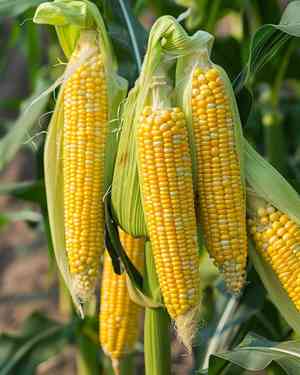
Corn is most effectively multiplied by planting seeds directly into the ground in the springtime. With a moderate level of challenge, successful propagation is indicated by sprouted seeds and the appearance of young plants. Guarantee firm contact between the seed and the earth, and maintain consistent moisture in the soil throughout the germination period.
Optimal Time for Maize Propagation
Propagation Method
Seeding
Propagation Period
Spring
Tools for Maize Propagation
Seed planter
A seed planter is vital for placing maize seeds at the correct depth and spacing. This instrument ensures uniform seed distribution, enhancing germination success and seedling development. Its adjustable depth feature is particularly useful for maize, which demands precise sowing for effective propagation.
Soil moisture meter
A soil moisture meter helps assess the water content in the soil where maize seeds are sown, which is crucial for their germination and initial growth. Appropriate soil moisture promotes healthy root formation and prevents issues from excessive or insufficient watering.
Hand trowel
A hand trowel is useful for small-scale maize planting, where seeds are individually placed in the soil at the right depth. It can also be used for gently placing and covering seeds in rows and mounds, making it a versatile gardening tool.
Seedling tray
Seedling trays with individual compartments are beneficial for starting maize seeds indoors or in a controlled setting before transplanting them to the field. These trays provide an organized way to germinate seeds and monitor seedling progress, leading to robust starts.
Garden hoe
A garden hoe is essential for preparing the soil before planting maize seeds. It can be used for tilling the ground, removing weeds, and creating furrows for seed placement, helping to establish ideal growing conditions for the plant.
Row markers
Row markers aid in keeping maize plantings orderly. By delineating straight lines, growers can ensure that seeds are sown at consistent intervals, facilitating proper air circulation and sunlight exposure for each plant.
Plant labels
Plant labels are critical for identifying different maize varieties during propagation, especially if crossbreeding or specific trait selection is involved. Labels help track growth stages and any particular care needs for each variant.
Protective netting
Protective netting is sometimes necessary to shield germinating maize seeds and young plants from birds and other wildlife. It contributes to successful propagation by minimizing potential harm to vulnerable seedlings.
How to Propagate Maize
Propagation Method
Seeding
Difficulty Level
Easy
Caring for Newly Propagated Maize
Caring for Newly Propagated Maize
Post-propagation, maize requires consistent attention for optimal development. Ensure the plant receives at least 1 inch (2.5 cm) of water weekly, especially during the active growth phase, and more in hot or arid conditions. Provide maize with adequate nitrogen-rich fertilizer as it is a heavy feeder. Regularly inspect for pests and diseases, and employ suitable control measures. As maize grows tall, it may need support to prevent stalks from bending or breaking. Harvest maize when the kernels are plump and milky, typically around 20 days after the silks first appear, depending on the cultivar.
Common Errors to Avoid When Propagating Maize
Insufficient soil preparation
Soil that drains poorly or lacks adequate nutrients can lead to weak root development and stunted growth in maize. This can also heighten the risk of root diseases.
Overcrowding seeds
Sowing maize seeds too closely can result in competition for light, space, and nutrients, leading to weaker plants more vulnerable to diseases and pests.
Incorrect planting depth
Planting maize's seeds too deep or too shallow can negatively impact germination rates and seedling vigor. Improper depth can either prevent the seedling from reaching the surface or cause it to dry out before it matures.
Neglecting seed quality
Using old or improperly stored seeds can lead to poor germination rates and unhealthy maize seedlings. High-quality seeds are essential for successful propagation.
Tips for Propagating Maize
Soil conditioning
Enriching the soil with compost or a balanced fertilizer before planting can provide maize with the necessary nutrients for optimal growth.
Seed spacing
Sowing maize's seeds at the recommended spacing allows each plant sufficient room to grow, thus reducing competition and increasing air circulation, which can help prevent disease.
Planting depth precision
Planting maize's seeds at the correct depth ensures that they have adequate contact with the soil for moisture absorption and can emerge successfully as strong seedlings.
Seed viability assurance
Selecting high-quality, disease-free seeds and planting them within their period of viability can greatly enhance the germination and growth success of maize.



