How to Propagate Japanese zelkova?
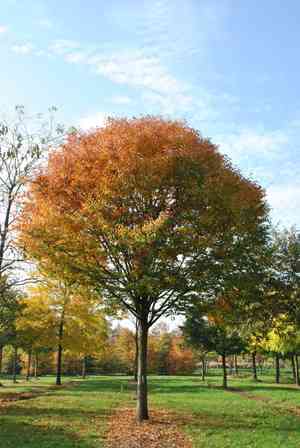
Japanese zelkova is most effectively propagated in the fall and winter seasons utilizing hardwood cuttings, air layering techniques, and seed planting. The process of propagation presents a moderate challenge, with successful outcomes indicated by the emergence of roots and fresh development. To achieve the best results, guarantee appropriate levels of moisture and warmth, and eliminate any unhealthy or compromised plant matter prior to initiating propagation.
Optimal Period for Japanese Zelkova Propagation
Propagation Method
Cutting
Propagation Period
Autumn,Winter
Tools Required for Japanese Zelkova Propagation
Sharp pruning shears
Primarily used for taking clean and precise cuttings from japanese zelkova, sharp pruning shears reduce damage and stress to the parent plant. A clean cut promotes quicker healing for the donor site and helps prevent infection or disease. For japanese zelkova, it is essential to make a smooth cut to maintain the health of the plant.
Rooting hormone powder or gel
Rooting hormone aids in stimulating root growth from cuttings of japanese zelkova. Application of rooting hormone to the cut end of the stem helps hasten the development of new roots, increasing the success rate of the propagation.
Sterile potting medium
A sterile potting medium provides a safe environment for japanese zelkova cuttings to establish themselves without the risk of pathogens or pests present in non-sterilized soils. It should be well-draining and nutrient-rich to support the growth of new roots.
Humidity dome or plastic cover
Used to maintain high humidity around japanese zelkova cuttings, a humidity dome or plastic cover ensures that the moisture levels are adequate to prevent the cuttings from drying out before they can establish roots, thus improving the chances of successful propagation.
Heating mat
Especially helpful when propagating japanese zelkova in cooler environments, a heating mat maintains a consistent and warm temperature at the base of the potting container. This warmth can stimulate root growth and reduce the time it takes for the cutting to establish itself.
Clean containers
Containers for housing japanese zelkova's cuttings must be clean to minimize the introduction of diseases. Using sterilized containers along with the sterile potting medium provides the healthiest start for the new plants.
Watering can with a fine rose
Delivering a gentle and even spray of water, the watering can with a fine rose ensures japanese zelkova cuttings receive adequate moisture without disrupting the delicate new roots or washing away the rooting hormone.
Post-Propagation Care for Your Japanese Zelkova
Post-Propagation Care for Your Japanese Zelkova
After roots have developed, gradually acclimatize the japanese zelkova to less humid conditions by opening the plastic bag or propagator for longer periods each day. Once the cutting is established, transplant it into a larger pot or outdoors in a location that matches the japanese zelkova's preference for sunlight and soil type. Ensure regular watering, especially during dry spells, and apply a balanced fertilizer during the growing season to encourage strong growth.
Frequent Errors to Avoid When Propagating Japanese Zelkova
Overwatering cuttings
Giving too much water can lead to rot, particularly in the delicate early stages of japanese zelkova propagation. This can destroy young roots before they fully develop.
Planting cuttings too deep
Inserting cuttings too deeply into the substrate can suffocate developing roots and encourage fungal infections, which may kill the cuttings before they can take root.
Using non-sterile tools and mediums
Propagation requires cleanliness to prevent disease. Neglecting to sterilize tools and mediums can lead to infections that can be detrimental to the health of the japanese zelkova cuttings.
Ignoring humidity needs
Japanese zelkova cuttings require a consistent level of humidity to root successfully. Providing too much or too little humidity can either promote fungal growth or cause the cuttings to dry out.
Mistaken node placement
Failing to place nodesâwhere leaves and buds emergeâbelow the substrate could result in a failure to root, as nodes are critical points for root development in japanese zelkova.
Advice for Propagating Japanese Zelkova
Proper cutting selection
Choose healthy semi-hardwood stems for cuttings. These are more robust and have a higher chance of rooting successfully.
Prefect cutting size
Cuttings should be ideally 4-6 inches long with several leaf nodes. Excess leaves should be removed to prevent moisture loss.
Softwood cuttings timing
Although propagation time was excluded, it's worth noting that japanese zelkova softwood cuttings should be taken when the wood is mature enough to snap, which is an indirect indicator of readiness that does not involve seasons.
Use of rooting hormone
Applying a rooting hormone can enhance the rooting success rate for japanese zelkova cuttings by encouraging quicker and stronger root development.
Ideal substrate choice
Employing a well-draining, sterile medium such as a mixture of peat and perlite will provide the appropriate balance of moisture and air for healthy root growth of japanese zelkova.
Maintaining optimal humidity
Using a humidity dome or plastic bag can help maintain consistent humidity levels necessary for the cuttings of japanese zelkova to thrive.



