How to Propagate Common zinnia?
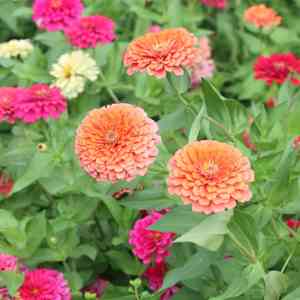
Zinnia elegans readily reproduces by planting seeds in early spring. Gently embed the seeds into the growing medium and maintain consistent moisture. Successful germination is indicated by the emergence of sprouts within 7 to 10 days. Provide adequate drainage to prevent the decay of seeds.
Optimal Period for Common Zinnia Propagation
Propagation Method
Seeding
Propagation Season
Spring
Tools Utilized in Common Zinnia Propagation
Seedling trays
Provide individual compartments for each common zinnia seed, facilitating separate growth and minimizing root disturbance during relocation.
Seed starting mix
Offers a sterile, optimized medium for superior common zinnia seed germination and root development, featuring balanced nutrients, proper aeration, and moisture retention.
Misting bottle or watering can with a fine rose
Ensures gentle irrigation for common zinnia seeds, preventing displacement or excessive soil compaction, vital for consistent germination and initial growth.
Heat mat (optional)
Enhances germination rates by maintaining a steady, suitable soil temperature for common zinnia, particularly beneficial in cooler environments.
Grow lights or a sunny location
Supplies the necessary light spectrum and intensity for common zinnia seedling photosynthesis and growth, especially when natural light is insufficient.
Labels or markers
Assists in tracking different common zinnia varieties during propagation, aiding in organized cultivation and management.
Dibber or small seeding tool
Enables precise handling and placement of common zinnia seeds at the correct depth during planting, crucial for optimal germination.
Perlite or vermiculite
Can be incorporated into the seed starting mix or used as a light covering for common zinnia seeds, improving aeration and moisture retention while preventing soil crusting.
How to Propagate Common Zinnia?
Propagation Type
Sowing
Difficulty Level
Easy
Caring for Your Newly Propagated Common Zinnia
Caring for Your Newly Propagated Common Zinnia?
Common zinnia thrives in full sun and well-draining, organically rich soil. Consistent watering is crucial, especially during dry spells, but avoid wetting the foliage. Apply a balanced fertilizer periodically during the growing season. To encourage bushier plants and more flowers, pinch back the tips early in the season. Removing spent blooms can also stimulate further flowering. Monitor for common pests like aphids and caterpillars, and employ appropriate control methods.
Common Errors to Avoid When Propagating Common Zinnia
Overwatering
Excessive watering of common zinnia can lead to root rot and fungal issues, as the plant's seeds and roots prefer well-drained conditions.
Deep planting
Sowing common zinnia seeds too deeply can hinder germination, as they require light for optimal growth and should be surface-sown.
Ignoring spacing
Planting common zinnia too closely can result in poor air circulation, increasing disease risk and limiting access to nutrients and sunlight.
Overcrowding trays
Starting common zinnia seeds in overly crowded trays can stress seedlings due to competition, leading to weaker plants upon transplanting.
Using old seeds
While common zinnia seeds can remain viable for a few years, using aged or improperly stored seeds may lead to low germination rates.
Advice for Propagating Common Zinnia
Proper soil prep
Utilize well-draining soil for common zinnia to prevent waterlogged conditions that can harm seed germination and root health.
Light exposure
Ensure common zinnia seeds receive adequate light by not burying them or placing them in shaded areas.
Adequate spacing
Space common zinnia plants appropriately to ensure good air circulation, which is vital for preventing fungal diseases and promoting robust growth.
Gentle watering
Water common zinnia gently after planting to maintain soil moisture without disturbing the seeds, using a spray bottle or a fine shower setting.
Seedling care
Carefully thin common zinnia seedlings to the recommended spacing to reduce competition for nutrients and enhance the survival rate of healthy plants.



