How to Prune Okra?
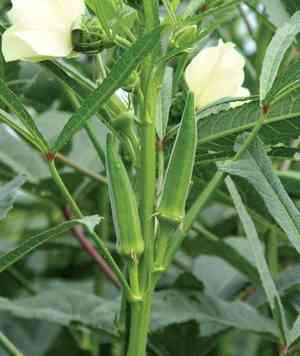
Okra, a warm-weather vegetable renowned for its palatable green pods, flourishes with appropriate trimming. Eliminating basal foliage and unproductive or compromised stems enhances airflow and diminishes the likelihood of illness. The most effective pruning takes place from the beginning of spring until late autumn, aligning with periods of vigorous development. Pruning encourages the emergence of lateral shoots, resulting in greater harvests. Precise cuts made directly above nascent node locations foster robust, fruitful branching. Always employ sanitized, keen implements to lessen trauma and prevent contamination.
What Are the Benefits of Pruning Okra?
What Are the Benefits of Pruning Okra?
Trimming okra promotes robust development, leading to an abundant harvest. Strategic cuts can shape the plant for optimal sun exposure and air circulation, crucial for its health and yield.
What Is the Best Time for Pruning Okra?
What Is the Best Time for Pruning Okra?
For okra, early spring is an ideal time to begin trimming, as the plant is emerging from its dormant winter phase and has not yet started its rapid growth. Pruning in spring helps stimulate new growth and allows for shaping the plant before it enters its vigorous growth period. As okra is a warm-season crop that typically grows during summer and fruits from late summer to early fall, pruning at this time can aid in air circulation, sunlight penetration, and reduce disease incidence. Pruning in late fall is also beneficial as it helps remove any old or dead growth after the fruiting season, preparing okra for the next growing cycle. These timings ensure the health and productivity of okra, focusing on periods when the plant can recover quickly and capitalize on growth cycles for flowering and fruiting.
What Tools Do I Need to Prune Okra?
Bypass Pruners
Perfect for making neat and precise cuts, bypass pruners are recommended for okra due to their ability to trim smaller stems and overgrown shoots without harming the plant's structure.
Gloves
Protective gloves are essential when pruning okra, as they prevent potential skin irritation from the plant's sap and shield hands from thorns or rough stems.
Garden Shears
For thicker stems and branches, garden shears allow for quick trimming without damaging nearby foliage and are well-suited for the woodier parts of mature okra plants.
Pruning Saw
A pruning saw can be utilized for okra if there are particularly thick stems or branches requiring removal. Being more robust, pruning saws can handle tougher tasks that bypass pruners and garden shears cannot.
Lopper
When dealing with hard-to-reach areas or needing extra leverage on thicker stems, a lopper is effective for okra. Its long handles provide the necessary reach and cutting power.
Secateurs
Also known as hand pruners, secateurs are useful for deadheading and maintaining the shape of okra. Their smaller size allows for more detailed work.
Cleaning Solution
Maintaining clean tools is vital to prevent disease spread. Before and after pruning okra, tools should be disinfected with a cleaning solution.
How to Prune Okra
Step1: Tool Sanitization
Start by sanitizing your pruning tools to prevent disease transmission. Use a solution of 1 part bleach to 9 parts water to disinfect the blades of your pruners or scissors before beginning and after cutting okra.
Step2: Damage Assessment
Evaluate okra for damaged stems, which are typically discolored, weakened, or show signs of disease or pest damage. Identify these stems for initial pruning.
Step3: Angled Cutting Technique
Locate the base of the damaged stem on okra and make a clean cut at a 45-degree angle approximately 1/4 inch above a node or branching point. This angled cut allows water to drain off and helps prevent disease.
Step4: Crossing Stems Inspection
Check okra for overgrown stems that are crossing or rubbing against each other, which can lead to wounds and subsequent disease issues.
Step5: Shaping and Airflow Improvement
Trim overgrown stems on okra by first determining the desired shape and air circulation around the plant. This might involve cutting some stems back to a main branch or leaving a few inches to encourage branching.
Step6: Stimulating New Growth
Cut back overgrown stems at a 45-degree angle, just above a node where a leaf meets the stem or another branching point to encourage healthy new growth.
Step7: Debris Removal
Remove all cuttings from the base of okra after pruning to deter pests and disease.
Step8: Post-Pruning Irrigation
Water okra deeply after pruning to reduce plant stress and aid in recovery. Ensure the plant has good drainage to prevent waterlogging and promote healthy root development.
Step9: Growth Monitoring and Follow-Up
Monitor okra for signs of new growth or any issues arising from pruning, such as pests or disease. Follow up with appropriate care and additional pruning if necessary.
Post-Pruning Care for Okra
Post-Pruning Care for Okra
Immediately after trimming okra, water the soil sufficiently to aid recovery. Maintain optimal light exposure, but avoid direct afternoon sun which may stress the pruned areas. Keep okra in an environment with consistent humidity and a temperature range of 70-85°F. Apply a balanced, slow-release fertilizer to support new growth. Regularly check for wilting, discoloration, or pests, indicating stress or infection. If signs are present, adjust care or consult an expert for appropriate treatment.
Common Pruning Mistakes with Okra
Unsanitized Pruning Tools Spread Disease
Not sanitizing pruning tools, which can spread diseases to okra.
Overpruning Stresses Plant and Reduces Growth
Excessive pruning, which involves removing too much foliage and can stress okra, impeding its growth and production.
Improper Cuts Damage Growth Nodes and Yield
Trimming too close to the main stem or pods, which can damage okra's growth nodes and reduce yield.
Leaving Stubs Attracts Pests and Diseases
Leaving too much of a stub when cutting branches, which can attract pests and diseases.
Neglecting Dead Limbs Drains Energy and Spreads Disease
Ignoring diseased or dead limbs, which can deplete energy from okra and spread disease.
Common Pruning Tips for Okra
Use Clean, Sharp Shears for Quick Healing
Use clean, sharp pruning shears to make precise cuts, which help okra heal faster and reduce disease risk.
Prune for Better Air Flow and Light Penetration
Prune to thin out crowded areas, which will improve air circulation and light penetration for okra, encouraging a healthier plant and better pod production.
Cut Above Nodes to Prompt Desired Growth
Cut just above a node or branching point to encourage new growth where desired.
Remove Dead Foliage to Maintain Plant Health
Regularly remove any dead or diseased foliage to maintain okra's health and vigor.
Pinch Tips for Bushier Growth and More Pods
Pinch off the tips of okra when it reaches about 3 feet tall to encourage bushier growth and more pods.



