How to Prune Grand Fir?
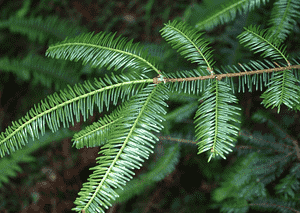
A magnificent evergreen coniferous tree characterized by its impressive stature and pyramidal form. For grand Fir, yearly trimming should concentrate on molding juvenile trees and excising deceased or ailing limbs. The most favorable period for pruning is in winter while the tree is dormant, which reduces sap leakage and facilitates recovery. Refrain from extensive cutting to preserve its inherent shape. Advantages of pruning encompass better air circulation, increased light exposure, and enhanced structural soundness. Precise cuts ensure both visual appeal and the tree's well-being.
What Are the Benefits of Pruning Grand Fir?
What Are the Benefits of Pruning Grand Fir?
Trimming grand Fir promotes robust development and helps maintain its desired form. It ensures the tree's resources are directed to healthy limbs, improving its structural soundness.
What Is the Best Time for Pruning Grand Fir?
What Is the Best Time for Pruning Grand Fir?
Winter is considered the ideal period to prune grand Fir because the tree is inactive during this time. Pruning in the dormant season minimizes sap loss and reduces the chance of pest or disease infestation. Furthermore, without leaves, it's simpler to see the tree's structure for more precise cuts. This timing also prevents disruption of the upcoming spring growth cycle, ensuring the health and vitality of grand Fir are not compromised.
What Tools Do I Need to Prune Grand Fir?
Hand Pruners
For young or small grand Fir, hand pruners are suitable for making clean cuts on branches up to 3/4 inch in diameter.
Lopping Shears
These are ideal for cutting through thicker branches, up to about 1 1/2 inches in diameter, especially when shaping or thinning grand Fir.
Pruning Saw
A pruning saw is necessary for branches over 1 1/2 inches in diameter or for hard-to-reach areas within larger grand Fir.
Pole Pruner
In the case of taller grand Fir specimens, a pole pruner can be used to reach higher branches without the use of a ladder.
Hedge Shears
When trimming grand Fir hedges or for shaping, hedge shears allow for straight, even cuts across foliage.
How to Prune Grand Fir
Step1: Identify Unhealthy Limbs
Examine the tree for any indications of dead wood, diseased branches, or damaged limbs. Look for branches that are discolored, lack foliage, or appear unhealthy compared to the rest of grand Fir.
Step2: Schedule Pruning Seasonally
Select the appropriate time of year to prune grand Fir, which is typically late winter or early spring before new growth begins, to minimize sap loss and reduce stress on the tree.
Step3: Prepare Pruning Tools
Ready the necessary tools such as a pruning saw, loppers and, for larger branches, a chainsaw. Ensure all tools are clean and sharp to prevent tearing the bark and to make clean cuts.
Step4: Remove Dead Wood
Identify dead wood by tapping on the branches. Dead branches will often sound hollow and feel lighter than living ones. Remove these branches by cutting at the point where they meet healthy wood, making a cut that's flush with the branch collar.
Step5: Prune Diseased Limbs
Inspect grand Fir for diseased limbs. Look for branches with cankers, molds, or unusual growths. Prune these limbs back to healthy tissue, cutting at least a few inches into the healthy wood to ensure the removal of all diseased parts.
Step6: Trim Damaged Branches
Examine grand Fir for damaged branches, which may be split, broken, or hanging loosely. Prune back to a lateral branch or bud that points outwards to encourage proper growth direction and shape. If no suitable lateral branch or bud is present, trim just beyond the damaged area.
Step7: Use Three-Cut Technique for Large Limbs
When pruning larger limbs, use the three-cut method to prevent bark tearing. Make an undercut about 6-12 inches away from the trunk, then a second cut from the top down to remove the majority of the limb, and finally a third clean cut to remove the stub, just outside the branch collar.
Step8: Make Clean Cuts for Healing
Make each cut clean and precise to facilitate quick healing. Avoid tearing the bark or leaving jagged edges, as this can invite infection and pests.
Step9: Dispose Pruned Material Safely
Dispose of all pruned material properly, especially if it contains diseased wood. Do not compost diseased limbs as they can spread pathogens to other plants.
Step10: Sanitize Tools Post-Pruning
After pruning grand Fir, clean and sanitize all pruning tools with a solution of one part bleach to nine parts water to prevent spreading diseases to other plants.
Step11: Monitor Plant Recovery
Monitor grand Fir after pruning for signs of stress or disease. Ensure the tree is watered during dry spells and properly mulched to promote a healthy recovery.
Post-Pruning Care for Grand Fir
Post-Pruning Care for Grand Fir
Immediately after pruning grand Fir, clean wounds with water to prevent infection. Keep grand Fir in a shaded area to reduce stress and ensure the humidity and temperature are stable. Water sufficiently without over-saturation. Apply a balanced fertilizer to promote healthy regrowth, avoiding high nitrogen content. Regularly inspect for signs of stress, such as wilting or discoloration of foliage, and for infection indicators like oozing sap or unusual growths. If symptoms appear, consult a plant pathologist for appropriate treatment to prevent further damage.
Common Pruning Mistakes with Grand Fir
Excessive Pruning Stresses Plants
Over-pruning, which can stress grand Fir by removing too many branches and foliage, potentially compromising its health and growth.
Unsterilized Tools Risk Disease Spread
Pruning without sterilizing tools, leading to the potential spread of diseases to grand Fir.
Improper Cuts Lead to Pests and Disease
Making improper cuts that damage grand Fir's bark or leave stubs which can invite pests and disease.
Overlooked Damaged Branches Impede Healing
Ignoring dead, diseased, or broken branches during pruning, which can hamper grand Fir's natural growth and healing processes.
Pruning Against Natural Shape Affects Vigor
Neglecting the natural shape of grand Fir, resulting in an unnatural appearance and growth pattern that can diminish its ornamental value and vigor.
Common Pruning Tips for Grand Fir
45-Degree Pruning Cuts for Healthy Growth
Ensure pruning cuts are clean and at a 45-degree angle, just above a bud or branch to promote healthy growth and healing in grand Fir.
Sterilized Tools Prevent Disease in Plants
Use sharp and sterilized pruning tools to make precise cuts and minimize the risk of spreading diseases to grand Fir.
Remove Only Dead or Diseased Branches
Remove only dead, diseased, or damaged branches to maintain the health and natural form of grand Fir, without compromising its structural integrity.
Prune With Plant's Natural Shape in Mind
Follow grand Fir's natural shape when pruning, enhancing its growth pattern rather than altering it drastically.
Cleanup After Pruning to Deter Pests
After pruning, clean up any fallen debris from grand Fir to prevent the spread of pests or diseases that may be harbored in the fallen material.



