How to Prune Subalpine fir?
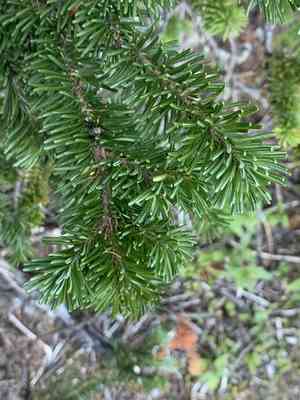
A majestic evergreen conifer, the subalpine fir flourishes in elevated terrains, recognized for its slender form and characteristic needle-like leaves. For this particular variety, trimming ought to be restricted to excising deceased, fractured, or ailing limbs to preserve its well-being. The most opportune period for pruning is throughout the dormant winter season, prior to the commencement of spring development. Trimming subalpine fir enhances air movement and diminishes the likelihood of illness. Always guarantee that cuts are precise and keen for the plant's rapid recuperation.
Advantages of Trimming Subalpine Fir
Advantages of Trimming Subalpine Fir
Trimming subalpine fir can encourage robust development by eliminating lifeless or weak branches, fostering a strong framework for future expansion. Consistent shaping ensures subalpine fir retains its attractive appearance, enhancing the garden's visual appeal.
Optimal Period for Trimming Subalpine Fir
Optimal Period for Trimming Subalpine Fir
Trimming subalpine fir in late winter is advantageous as the plant remains dormant before the onset of spring growth. This timing helps prevent undue stress and allows the plant to recover quickly once growth resumes. Late winter trimming reduces the risk of disease infection, as many pathogens are less active during colder weather. Furthermore, without foliage, the structure of subalpine fir is more visible, enabling more precise cuts and shaping. Trimming outside the recommended season can lead to growth problems and negatively impact the plant's overall health.
Necessary Tools for Trimming Subalpine Fir
Hand Pruners
These are perfect for cutting small branches of subalpine fir, essential for shaping the tree and removing any dead or diseased wood. Opt for bypass pruners as they create cleaner cuts that heal more effectively than anvil pruners.
Loppers
Designed to cut through thicker branches that hand pruners cannot manage, loppers are useful for subalpine fir when dealing with larger limbs, typically up to 1.5 inches in diameter. The extended handles also provide leverage, simplifying the cutting process.
Pruning Saw
For branches and limbs thicker than those suitable for loppers, a pruning saw is indispensable. It can cut through larger sections of subalpine fir with ease and precision, and is particularly important for reaching high branches that require a more robust tool for safe removal.
Pole Pruner
When branches of subalpine fir are out of reach, a pole pruner can be extended to trim higher areas safely from the ground. It's crucial not to remove too much of the canopy, so precise cuts with a pole pruner can help maintain the tree's health and aesthetic form.
How to Trim Subalpine Fir
Sanitation
Before trimming subalpine fir, clean and sterilize the pruning tools to prevent the spread of diseases. Use a solution of 1 part bleach to 9 parts water or rubbing alcohol to disinfect the tools.
Identification
Thoroughly inspect subalpine fir to identify dead or diseased branches. Dead branches will have dry, brittle wood and may lack bark, while diseased branches may show discoloration, unusual growths, or visible signs of infection.
Cutting
Using sharp pruning shears, make cuts on dead or diseased branches of subalpine fir at a 45-degree angle, approximately 1/4 inch above a healthy bud or branch junction. Avoid tearing the bark or leaving stubs, as these can become entry points for pests and diseases.
Reassessment
After removing the dead and diseased material, step back to evaluate subalpine fir for balance and structure. Further selective trimming may be necessary to maintain the plant's natural growth habit without over-pruning.
Cleanup
Properly dispose of the cuttings from subalpine fir, especially if they are diseased. Do not compost diseased material, as it can contaminate the compost pile. Clean and sterilize pruning tools again after use to prevent transferring pathogens to other plants.
Common Trimming Errors with Subalpine Fir
Excessive Trimming
Removing too much foliage from subalpine fir at once can stress the plant, impede its growth, and reduce its vitality.
Incorrect Cuts
Making cuts that are too close to the trunk or leaving large stubs can harm subalpine fir and make it vulnerable to disease.
Topping
Cutting off the top of subalpine fir (known as 'topping') distorts its natural shape, leads to weak growth, and diminishes its aesthetic value.
Neglecting Tool Sanitation
Failing to sanitize pruning tools before use can introduce diseases to subalpine fir, potentially harming the plant.
Trimming Solely for Shape
Trimming subalpine fir merely for shaping without considering the plant's health can result in a poorly structured and unhealthy tree.
General Trimming Advice for Subalpine Fir
Selective Thinning
Focus on selective thinning of subalpine fir by removing only dead, diseased, or crossing branches to maintain the plant's natural shape and promote air circulation.
Clean Cuts
Make clean cuts at a slight angle just above a bud or branch junction to encourage proper healing and new growth in subalpine fir.
Tool Maintenance
Keep pruning tools sharp and clean to make precise cuts and minimize stress to subalpine fir.
Preserve The Leader
Maintain the central leader (main vertical stem) of subalpine fir to preserve its natural conical shape and structural integrity.
Crown Cleaning
Gradually clean the crown of subalpine fir by removing any competing leaders or problematic branches to improve light penetration and the overall health of the plant.



