How to Prune Blackwood?
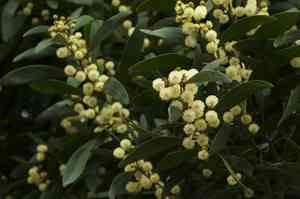
This widely favored decorative and lumber tree, recognized for its dark timber and abundant leaves, flourishes with proper trimming. Essential methods for blackwood involve judicious branch reduction to enhance its framework and light access, and eliminating deceased or ailing wood to foster well-being. The perfect period for pruning is winter when the tree is inactive. Distinct advantages of trimming encompass improved wood caliber for timber output and a diminished likelihood of illness. Pruning also manages its dimensions, which is crucial in more compact settings.
What Are the Benefits of Pruning Blackwood?
What Are the Benefits of Pruning Blackwood?
Trimming blackwood promotes more vigorous development, fostering a denser and stronger form. Regular cutting helps maintain a desired silhouette, preventing excessive growth and enhancing the plantâs visual appeal.
What Is the Best Time for Pruning Blackwood?
What Is the Best Time for Pruning Blackwood?
Pruning blackwood during winter aligns with its dormant phase, minimizing plant stress. This timing encourages robust spring regrowth, ensures quicker wound recovery, and lowers the risk of pest and disease infestations common in warmer months. Furthermore, the absence of leaves offers a clearer view of the plant's structure, allowing for more precise cuts and shaping. Additionally, winter pruning avoids removing potential flowering or fruiting sites that would develop in the coming season, thus not affecting blackwood's ornamental or productive quality.
What Tools Do I Need to Prune Blackwood?
Hand Pruners
Perfect for making neat cuts on small stems and branches of blackwood up to 3/4 inch in diameter.
Lopping Shears
Suitable for cutting through thicker blackwood branches that hand pruners cannot manage, typically up to 1 1/2 inches thick.
Pruning Saw
Essential for removing larger blackwood branches exceeding the capacity of lopping shears, ensuring a cleaner cut for optimal plant health.
Pole Pruner
Useful for reaching elevated blackwood branches, enabling pruning without a ladder, ideal for maintaining tree shape and removing deadwood.
Gardening Gloves
Protects hands from scrapes and improves grip when using pruning tools for blackwood, ensuring safety and comfort during the process.
Pruning Sealer
After cutting larger blackwood branches, applying this helps protect against diseases and pests by sealing the wounds.
How to Prune Blackwood
Step1: Assess Plant Health and Identify Old Wood
Evaluate the overall health and structure of blackwood. Identify old wood, which typically appears darker and has a rougher texture, along with any visibly damaged or diseased wood. Look for broken branches, signs of fungal infection, or unhealthy-looking parts.
Step2: Sanitize Pruning Tools to Prevent Disease
Disinfect your pruning tools before beginning. This helps prevent the spread of disease from one plant part to another or between different plants. Use a solution of one part bleach to nine parts water, or rubbing alcohol.
Step3: Remove All Damaged Wood and Cut Above Nodes
Start by removing all damaged wood. Cut back to healthy tissue, or to the base of blackwood if necessary. Make cuts just above a leaf node or lateral branch, angling the cut away from the node at a 45-degree angle to encourage water runoff and aid healing.
Step4: Prune Beyond Diseased Areas and Discard
Trim diseased wood, cutting well past the affected area to ensure all diseased tissue is removed. Dispose of diseased material promptly to prevent pathogen spread. Do not compost diseased blackwood wood.
Step5: Thin Old Wood to Improve Air and Light Flow
Carefully thin old wood to enhance air circulation and light penetration within the blackwood canopy, which helps reduce disease risk and promotes new growth. Be careful not to remove too much at once; typically, remove no more than 25-30% of the total canopy annually.
Step6: Use Three-Cut Method for Large Branch Removal
For larger old wood branches, use the three-cut technique to prevent bark tearing: First, make an undercut about 6-12 inches from the trunk, cutting about 1/4 to 1/3 into the branch. Second, make a downward cut above the first cut and slightly further out on the branch to remove its weight. Finally, make the last cut just outside the branch collar (the swollen tissue at the branch base) to cleanly remove the stub without damaging the trunk.
Step7: Apply Wound Dressing to Major Cuts
After significant cuts, seal the wounds on blackwood with a tree wound dressing to protect against pests and diseases.
Step8: Shape \_COMMON\_NAME\_ with Corrective Pruning
Inspect the shape of blackwood and make corrective cuts as needed to maintain a balanced, aesthetically pleasing, and structurally sound form, respecting its natural growth habit.
Step9: Clean Up Debris to Deter Pests
Clear all debris from around blackwood to discourage pests and disease. Pruned material should be disposed of properly, especially if diseased.
Step10: Water \_COMMON\_NAME\_ After Pruning to Aid Recovery
Water blackwood thoroughly after pruning, especially if substantial portions of the plant were removed, to help reduce stress and promote recovery.
Step11: Monitor for New Growth and Potential Issues
Observe blackwood over the subsequent weeks for signs of new growth, indicating successful pruning, and for any potential problems that might arise from the process.
Post-Pruning Care for Blackwood
Post-Pruning Care for Blackwood
Immediately after pruning blackwood, clean cuts should be made to encourage rapid healing. Ensure blackwood is placed in a location with indirect light and stable temperatures, avoiding extreme humidity. Post-pruning, apply a balanced, slow-release fertilizer to support recovery and growth. Monitor blackwood regularly for signs of stress, such as wilted leaves or cankers. If infection symptoms appear, promptly treat with an appropriate fungicide or bactericide. Regular observation and gentle care will aid blackwood's healthy regrowth.
Common Pruning Mistakes with Blackwood
Ignoring Plant's Natural Shape
Disregarding the natural form of blackwood can result in an unattractive appearance and may expose the plant to pests and diseases.
Over-Pruning in One Session
Removing too much at once can stress blackwood, potentially leading to poor health or stunted development.
Using Blunt or Dirty Tools
Employing dirty or dull pruning tools can create jagged cuts that make blackwood more vulnerable to infections.
Tearing Branches Improperly
Tearing or ripping branches instead of making clean cuts can damage the bark and underlying tissue, impeding the healing process.
Removing Overly Large Branches
Removing branches that are excessively large can create wounds that blackwood may struggle to heal, which can become entry points for disease.
Common Pruning Tips for Blackwood
Sharp, Clean Cuts for Fast Healing
Use sharp, clean pruning shears to make precise cuts that blackwood can heal quickly, reducing disease risk.
Angle Cuts Away from Buds
Cut at a slight angle, away from the bud, to prevent water from accumulating on the cut surface, which can lead to rot and disease in blackwood.
Selective Pruning for Plant Shape
Prune selectively to maintain the natural shape and structure of blackwood, focusing on removing dead or diseased wood, and thinning dense areas to improve air circulation.
Prune Small Canopy Percentage
Limit the amount of branches removed in any single session to a small percentage of the total canopy to prevent overstressing blackwood.
Protect Branch Collar During Cuts
Make cuts close to the branch collar without damaging it, as this area contains cells vital for blackwood's healing.
Three-Cut Method for Large Branches
When removing larger branches, use a three-cut method to prevent bark tearing: first undercut, then cut from the top, and finish near the branch collar for a clean final cut.



