How to Prune Pearl acacia?
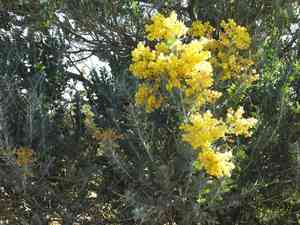
The pearl acacia, an indigenous Australian shrub recognized for its silver-green leaves and round yellow blossoms, flourishes with proper trimming. Essential pruning methods include eliminating deceased branches and snipping off faded blooms to encourage compact development. The ideal period for pruning is late winter, once blooming has concluded but prior to the emergence of new growth, to preserve the plant's form and vitality. Pruning boosts flowering and stops the pearl acacia from developing a sparse, elongated appearance. Employ sanitized, sharp implements to lessen strain and the potential for illness.
What Are the Benefits of Pruning Pearl Acacia?
What Are the Benefits of Pruning Pearl Acacia?
Trimming pearl acacia promotes more robust development by eliminating dead or congested limbs, which improves air circulation and light exposure. Furthermore, pruning assists in preserving its desired form and dimensions, ensuring pearl acacia remains visually appealing and well-managed within the landscape.
What Is the Best Time for Pruning Pearl Acacia?
What Is the Best Time for Pruning Pearl Acacia?
Pruning during late Winter or early Spring aligns with pearl acacia's dormant phase when growth is minimal. This timing reduces plant stress and helps prevent sap loss, which can attract pests. It's also advantageous as it allows pearl acacia to recover from pruning cuts before the active growing season begins. Additionally, removing spent blooms after the flowering cycle can encourage a more prolific bloom the following season. Pruning in cooler weather decreases the likelihood of disease infection at the cut sites. The chosen timing avoids impacting pearl acacia's flowering, which typically occurs from late Winter to Spring, thus ensuring the plant's ornamental value is not diminished.
What Tools Do I Need to Prune Pearl Acacia?
Hand Pruners
Perfect for making precise cuts on the smaller branches and twigs of pearl acacia, minimizing harm to the plant's tissues.
Loppers
Ideal for reaching into the denser parts of pearl acacia and cutting through thicker branches that hand pruners cannot effectively manage, while providing leverage for clean cuts.
Pruning Saw
Essential for cutting through the largest branches of pearl acacia, especially those exceeding two inches in diameter, that cannot be handled by hand pruners or loppers.
Pole Pruners
Useful for trimming higher branches of pearl acacia from the ground, offering safety and convenience when tending to a taller specimen.
Gardening Gloves
Protects the gardener's hands from thorns and rough bark of pearl acacia, ensuring a comfortable and secure pruning experience.
Pruning Shears
Good for shaping and maintaining the overall structure of pearl acacia, allowing for precision in sculpting the plant's growth.
How to Prune Pearl Acacia
Sterilize Tools
Before pruning pearl acacia, sanitize all cutting tools with a solution of 1 part bleach to 9 parts water to prevent disease transmission.
Remove Dead Branches
Identify and eliminate dead branches from pearl acacia by cutting them at their base where they meet healthy wood. Make clean cuts with sharp secateurs to promote quick healing.
Cut Diseased Branches
Remove any diseased branches from pearl acacia by trimming at least several inches into healthy tissue to ensure all infected material is gone.
Dispose Diseased Material
Properly discard all removed diseased branches to prevent any potential re-infection in pearl acacia. Do not compost as diseases may spread.
Maintain Shape
Lightly trim any remaining branches of pearl acacia to preserve its natural form and appearance, avoid cutting into old wood as this can reduce flowering.
Common Pruning Mistakes with Pearl Acacia
Over-Pruning
Removing too much foliage from pearl acacia at once can shock the plant, potentially hindering growth or reducing flowering.
Improper Cuts
Making jagged or tearing cuts instead of clean, angled cuts can harm pearl acacia and increase its susceptibility to disease.
Ignoring Deadwood
Failing to remove dead or diseased branches can impede pearl acacia's overall health and aesthetic appeal.
Neglecting Tool Hygiene
Using uncleaned pruning tools can spread disease among pearl acacia specimens and other garden plants.
Unnecessary Cutting
Pearl acacia generally requires minimal pruning, so excessive cutting can be counterproductive for the plant's natural shape.
Common Pruning Tips for Pearl Acacia
Clean Cuts
Ensure you use sharp, clean pruning shears for healthy cuts that will heal quickly, reducing stress on pearl acacia.
Selective Thinning
Thin out crowded branches to improve air circulation and light penetration for pearl acacia, which will enhance its health and flowering capability.
Healthy Growth
Focus on cutting back any dead or damaged wood to encourage new, healthy growth in pearl acacia.
Shape Maintenance
Slightly prune pearl acacia to maintain its desired shape and size, being careful not to overdo it to preserve its natural appearance.
Branch Collar Care
When removing larger branches, cut just outside the branch collar to encourage proper healing without damaging pearl acacia.



