How to Prune Copperleaf?
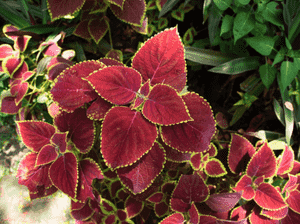
This evergreen tropical shrub, recognized for its diverse, vibrant leaves, flourishes with consistent upkeep. Essential trimming methods for copperleaf involve nipping off the ends to foster a denser form, eliminating withered or compromised foliage, and sculpting the plant for visual appeal. The most suitable period for trimming is during the winter, which facilitates vigorous development in spring. Pruning offers advantages like improved air movement, protection against ailments, and regulated expansion. Caution is advised against excessive trimming, to safeguard the allure of its leaves.
What Are the Benefits of Pruning Copperleaf?
What Are the Benefits of Pruning Copperleaf?
Trimming copperleaf promotes vigorous development, fostering a dense, full structure. It assists in maintaining the desired form and size for visual appeal and garden consistency.
What Is the Best Time for Pruning Copperleaf?
What Is the Best Time for Pruning Copperleaf?
Winter is considered the prime period for trimming copperleaf as the plant is in a dormant state, meaning its growth activity is diminished. This inactive phase is optimal because plant stress is minimized, and the risk of disease transmission through pruning wounds is reduced. Pruning at this time will stimulate a strong flush of new growth in the spring. Furthermore, without leaves, the structure is more visible, allowing for more deliberate shaping and removal of any dead or diseased branches.
What Tools Do I Need to Prune Copperleaf?
Bypass Pruners
Perfect for making precise cuts on copperleaf, bypass pruners enable gardeners to snip small to medium-sized stems without crushing plant tissue. Their scissor-like action is ideal for cutting back overgrown stems or dead leaves.
Hand Shears
For shaping copperleaf and managing its growth, hand shears offer a larger cutting surface, making them suitable for trimming the bush into desired forms or removing multiple stems simultaneously.
Pruning Saw
When copperleaf has matured and possesses thicker branches that cannot be cut with pruners or shears, a pruning saw becomes essential. It facilitates the clean removal of larger branches without harming adjacent stems.
Gloves
To safeguard hands from copperleaf's rough texture and potential skin irritants, wearing sturdy gardening gloves is vital during the pruning process.
Loppers
For areas that are harder to reach or for thicker branches that hand shears cannot manage, loppers with extended handles can be utilized to apply greater leverage and force.
Cleaning Material
To prevent the spread of disease and ensure clean cuts, it's crucial to use a disinfectant such as rubbing alcohol or a bleach solution to clean all tools before and after pruning copperleaf. This preserves the plant's health.
How to Prune Copperleaf
Step1: Tool Preparation
Gather the necessary implements for trimming, such as sharp scissors or pruning shears, gloves, and a disinfectant for the tools (like rubbing alcohol or a 10% bleach solution) to prevent the spread of disease.
Step2: Plant Examination
Inspect copperleaf thoroughly to identify damaged leaves, yellow leaves, and withered branches that require trimming. Determine the extent of pruning needed to maintain the plant's desired shape and health.
Step3: Tool Disinfection
Sanitize your pruning tools before beginning and between cuts, especially if cutting diseased material, to avoid spreading pathogens to healthy parts of copperleaf.
Step4: Damaged Leaves Removal
Begin by removing damaged leaves. Make cuts at the base of each damaged leaf, close to the main stem or leaf axil without harming the nodes or new shoots.
Step5: Yellow Leaves Removal
Identify and remove any yellow leaves by cutting them off at their base, similar to the process for damaged leaves, to enhance overall aesthetics and direct energy to healthier foliage.
Step6: Withered Branches Pruning
Trim any withered branches by cutting them back to a healthy segment. Make angled cuts just above a leaf node or bud to encourage new growth in the desired direction. Ensure the angle slopes away from the bud to prevent water accumulation that could lead to rot.
Step7: Shaping and Forming
Form and shape copperleaf by selectively trimming overgrown sections to create a balanced appearance. This should be done by cutting back branches and stems to a leaf node to encourage bushier growth.
Step8: Debris Disposal
After pruning, clear away all trimmings and dispose of them properly to prevent pest issues and diseases. Fallen debris can attract insects or harbor disease that may then reinfect copperleaf.
Step9: Post-Pruning Care
Water the plant if the soil is dry and provide it with appropriate aftercare, which might include adjusting its location for optimal light conditions and monitoring for signs of stress. Proper aftercare will help copperleaf recover and thrive after pruning.
Step10: Ongoing Monitoring
Regularly observe the plant for additional signs of withered or discolored leaves and branches, and perform maintenance pruning as needed to keep copperleaf healthy and to maintain its shape and size.
Post-Pruning Care for Copperleaf
Post-Pruning Care for Copperleaf
Immediately after trimming copperleaf, ensure it's placed in moderate light, avoiding harsh sun that could stress the recovering foliage. Maintain consistent humidity and a stable temperature around 60-75°F to promote healing. Apply a balanced liquid fertilizer to support new growth, and monitor for wilt or discolored leaves, which might signal stress or infection. Adjust care as necessary to foster a healthy regrowth environment for copperleaf.
Common Pruning Mistakes with Copperleaf
Over-pruning
Removing too much of the plant at once, which can stress copperleaf and lead to poor growth or disease.
Improper Tool Usage
Using dull or dirty trimming tools, which can cause jagged cuts and introduce pathogens to copperleaf.
Unplanned Pruning
Trimming without a clear objective, resulting in an undesirable plant shape or accidental removal of potential flowering sites on copperleaf.
Ignoring Dead Material
Neglecting to remove dead or diseased foliage, which can hinder copperleaf's overall health and aesthetic appeal.
Damaging Cuts
Tearing or ripping stems instead of making clean cuts, which can damage copperleaf's vascular system and impede nutrient flow.
Common Pruning Tips for Copperleaf
Tool Sterilization
Sterilize trimming tools before use to prevent the spread of disease to copperleaf.
Correct Angled Cuts
Make angled cuts just above leaf nodes to promote new growth and maintain the desired shape of copperleaf.
Gradual Pruning Approach
Moderate the amount of trimming per session, aiming to remove no more than one-third of copperleaf's total foliage.
Removing Unhealthy Foliage
Identify and remove any dead, damaged, or diseased leaves and stems to keep copperleaf healthy.
Pruning for Air and Light
Trim strategically to enhance air circulation and light penetration, which can improve copperleaf's vigor and flowering potential.
Promoting Bushier Growth
Encourage bushier growth by pinching back the tips of young shoots during the growing season.



