How to Prune Field maple?
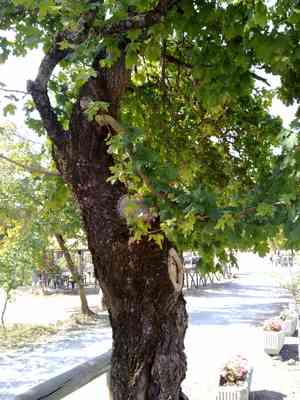
This European native, a deciduous tree, is prized for its dense habit and resilience to severe environments. For field maple, structural pruning is essential in its initial years to develop a robust framework. Ongoing pruning entails excising deceased or intersecting limbs to improve air movement, ideally carried out in late winter or early spring prior to sap ascent. The primary advantages of pruning encompass fostering a more robust tree architecture and stimulating energetic development, concurrently reducing disease risks by enhancing air and light access.
Advantages of Trimming Field Maple
Advantages of Trimming Field Maple
Trimming field maple stimulates robust development and assists in maintaining its desired form. It fosters a strong framework, lessens disease risk, and ensures visual appeal in garden settings.
Optimal Period for Trimming Field Maple
Optimal Period for Trimming Field Maple
Trimming field maple during late winter or early spring is ideal as the plant is still dormant. This timing prevents the loss of sap, which can be more extensive if pruning occurs after the spring growth starts. Trimming in these seasons also avoids cutting off new buds that will develop into the season's leaves and flowers. By pruning when the tree is dormant, one can also better assess the structure without leaves obscuring the branches, allowing for more precise cuts. Furthermore, it reduces the risk of disease transmission, as many pathogens are inactive during the cold weather. It is essential to avoid pruning in autumn because fresh cuts can attract certain diseases and pests that are active during this time. Likewise, summer pruning, unless necessary for damage or safety, is not advisable for field maple, as this can stress the tree during periods of active growth.
Required Tools for Pruning Field Maple
Bypass Pruners
Perfect for making clean cuts on live branches up to 3/4 inch in diameter. Utilize these for precise trimming of field maple's smaller branches to maintain shape or remove minor damage.
Lopping Shears
Equipped with long handles, they provide leverage to easily cut through field maple's branches that are up to 1 1/2 inches in diameter, allowing for shaping and thinning canopies without overexertion.
Pruning Saw
A pruning saw is suitable for cutting field maple's branches thicker than 1 1/2 inches. Its serrated blade cleanly cuts through larger limbs, preventing tearing that could invite disease.
Pole Pruner
Used for reaching field maple's higher branches without a ladder. Features both a saw and a lopper for versatility in cutting various branch thicknesses.
Hedge Shears
Beneficial for sculpting and maintaining the formal shape of field maple if grown as a hedge. These shears provide uniform cuts across multiple small branches.
How to Prune Field Maple
Identify Branches
Examine field maple to determine which branches are dead or diseased. Look for branches that show signs of decay, are brittle, or have discoloration and lack of leaves.
Sterilize Tools
Before making any cuts, sterilize pruning tools with alcohol or a bleach solution to prevent the spread of disease.
Prune Dead Branches
Using sharp and clean pruning shears, cut dead branches at the point where they meet healthy wood, making a clean angle cut to facilitate rapid healing.
Remove Diseased Branches
Remove diseased branches by cutting them well back into healthy tissue to ensure all parts of the infection are eliminated. Dispose of these properly to avoid contamination.
Clean Up
After pruning, clean up all debris from around field maple, including fallen leaves and cut branches, to minimize the likelihood of disease spread and promote a healthy growing environment.
Common Pruning Mistakes with Field Maple
Over-Pruning
Removing too much foliage from field maple can weaken the tree, as it relies on its leaves for photosynthesis. Excessive cutting can also lead to fewer leaves and a less dense canopy the following season.
Improper Cut Placement
Making cuts too far from a bud, or leaving a large stub, can result in poor healing and increases the risk of pest and disease infestation. Neat, angled cuts close to a bud ensure healthier regrowth.
Tearing Bark
Incorrect use of pruning tools or technique can lead to tearing the bark, which can cause long-lasting damage to field maple. Using sharp tools and cutting at the correct angle helps to avoid such damage.
Flush Cutting
Cutting branches flush against the trunk can remove the branch collar, leading to wounds that heal poorly. It's essential to cut just outside the branch collar, not into it.
Common Pruning Tips for Field Maple
Sharp Tools
Use clean, sharp pruning tools to make precise cuts. This reduces the risk of disease entry and promotes faster healing of the wounds.
Selective Thinning
Focus on thinning out crowded branches to improve light penetration and air circulation within the canopy of field maple, which promotes healthier growth and reduces disease risk.
Removing Deadwood
Regularly remove dead, diseased, or broken branches from field maple to maintain plant health and appearance. This also prevents potential hazards from falling branches.
Structural Pruning
Especially important for young field maple trees, structural pruning shapes the tree's architecture, promotes a strong form, and can prevent future problems.



