How to Prune Vine maple?
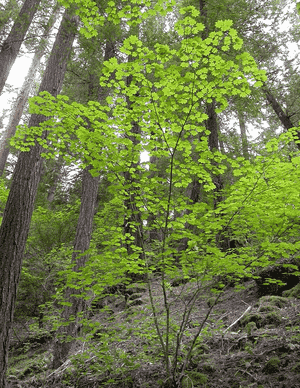
This leafy shrub or compact tree, recognized for its hand-shaped foliage and appealing autumn hues, flourishes in shaded environments. Essential trimming methods for vine maple involve reducing dense sections, eliminating lifeless or ailing limbs, and sculpting for visual appeal or spatial limitations. The most effective pruning should occur in late winter or early spring prior to the emergence of new shoots. Trimming vine maple improves air movement and light exposure, fostering a more robust framework and lowering susceptibility to ailments.
What Are the Benefits of Pruning Vine Maple?
What Are the Benefits of Pruning Vine Maple?
Appropriate trimming of vine maple promotes robust development and maintains its desired form. Regular cutting aids this resilient species in quick recovery, fostering healthier, denser foliage, which enhances its aesthetic appeal and vigor.
What Is the Best Time for Pruning Vine Maple?
What Is the Best Time for Pruning Vine Maple?
During late winter, vine maple is typically dormant, making it an ideal time for pruning as stress and disease risk are minimal when sap isn't actively flowing. Additionally, leafless branches offer a clearer view of the plant's structure. Early spring pruning is also beneficial, just before new growth begins, as it stimulates vine maple's development and allows cuts to heal faster with rising sap, reducing infection risk. Pruning during these periods avoids removing new buds that will become this season's leaves and flowers, thus not interfering with its blooming or fruiting cycles.
What Tools Do I Need to Prune Vine Maple?
Hand Pruners
Perfect for trimming small branches and twigs on vine maple, hand pruners ensure precise cuts without excessive plant damage. Ideal for branches up to ½ inch in diameter.
Loppers
Best for reaching deeper into vine maple's canopy and cutting branches between ½ inch to 1½ inches in diameter. They offer significant leverage and reduce effort.
Pruning Saw
Essential for larger branches exceeding 1½ inches in diameter. A pruning saw creates clean cuts through thick wood without tearing, promoting faster healing for vine maple.
Pole Pruner
Useful for vine maple when branches are high and inaccessible. The pole pruner enables safe trimming without needing a ladder.
Gloves
Though not a cutting tool, gloves are crucial for protecting hands from scratches and providing a better grip on tools while pruning vine maple.
Sharpening Tool
Keeping pruning tools sharp is vital for clean cuts and reduced stress on vine maple, ensuring healthier growth post-pruning.
How to Prune Vine Maple
Step1: Timing for Dormant Pruning
Determine the correct period to prune vine maple, typically late winter or early spring before bud break, when the tree is inactive. Pruning during dormancy minimizes sap loss and tree stress.
Step2: Tool Sterilization
Sanitize your pruning tools with a solution of 1 part bleach to 9 parts water to prevent disease spread. Allow tools to air dry or rinse with clean water before use.
Step3: Dead Wood Removal
Begin pruning by removing all dead wood. Look for branches lacking live buds, that are brittle, and break easily. Cut these branches at their origin or back to a lateral branch using clean, angled cuts.
Step4: Diseased Limb Removal
Identify and eliminate diseased limbs. Signs of disease include unusual coloration, growths, or injuries. Prune these limbs back to healthy wood, well below affected sections. Ensure cuts are smooth and clean to encourage proper healing.
Step5: Trimming Damaged Limbs
Trim damaged limbs caused by storms, physical harm, or other mechanical injury. Remove these by cutting just above a lateral bud or node to promote the growth of healthy new branches.
Step6: Structural Shaping
Consider the overall form and structure of vine maple when pruning. Aim to maintain a natural, balanced, and open shape that allows light and air to penetrate the canopy.
Step7: Smoothing Rough Cuts
Inspect pruning cuts for rough edges or jagged surfaces. Smooth out any rough cuts with a sharp pruning knife as these can be entry points for pests and diseases.
Step8: Debris Cleanup
After completing the pruning, clear all debris from around the base of vine maple. This reduces the likelihood of fungal spores or disease agents harboring in the dead material.
Step9: Natural Healing
Do not apply wound sealant as it is unnecessary for vine maple and can hinder natural healing processes. Let the tree form its own callous tissue over the cuts.
Step10: Post-Pruning Monitoring
Monitor vine maple after pruning for signs of stress or disease. Ensure the tree is well-watered, especially if a significant amount of pruning has occurred.
Step11: Fertilizing After Pruning
Finally, if pruning involved substantial material removal, consider applying a balanced, slow-release fertilizer to support vine maple's recovery and new growth. Follow package instructions for application rates and methods.
Post-Pruning Care for Vine Maple
Post-Pruning Care for Vine Maple
After pruning vine maple, immediately ensure clean cuts to minimize disease risk. Position vine maple to receive filtered light, maintaining moderate humidity and avoiding extreme temperature shifts. Apply a balanced, slow-release fertilizer to support new growth, but avoid over-fertilization. Regularly inspect pruned areas for signs of distress, such as discoloration or sap oozing, which could indicate infection. If symptoms appear, treat promptly with a recommended fungicide or bactericide.
Common Pruning Mistakes with Vine Maple
Excessive Foliage Removal Stressing Plant
Over-pruning vine maple by removing too much foliage at once, which can stress the tree and lead to poor growth or disease.
Unplanned Pruning Compromising Plant Shape/Health
Pruning without a clear objective, resulting in indiscriminate cuts that may harm the natural shape or health of vine maple.
Improper Tool Use Leading to Disease
Using dull or dirty pruning tools, which can create jagged cuts more susceptible to infection and disease.
Incorrect Pruning Cut Placement
Cutting too close or too far from the parent stem, potentially causing damage that prevents proper healing.
Neglecting to Remove Problematic Branches
Ignoring dead, diseased, or crossing branches that should be removed to maintain the health and structure of vine maple.
Common Pruning Tips for Vine Maple
Clean, Sharp Tools for Healthy Cuts
Utilize sharp, clean pruning tools to make precise cuts that vine maple can heal from more readily, reducing disease risk.
Pruning with Purpose for Plant Health
Identify the goal of pruning, whether it's to remove dead wood, shape vine maple, thin out dense areas for better light penetration, or improve air circulation.
Preserve Natural Form of vine maple
Prune to maintain the natural form of vine maple, which typically has a multi-stemmed, rounded to broad-rounded habit.
Proper Cut Technique for Outward Growth
Follow best practices by making pruning cuts at a slight angle, above a leaf node or bud that faces outward to direct new growth away from the center of vine maple.
Prompt Removal of Unhealthy Wood for Vigor
Remove any dead or diseased wood promptly to prevent decay spread and thin out any overcrowded branches to help vine maple produce strong, healthy growth.



