How to Prune Paperbark maple?
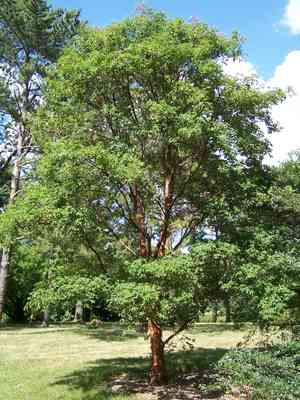
Recognized for its peeling, copper-hued bark and three-lobed foliage, Acer griseum stands as a distinctive decorative tree. Trimming efforts should concentrate on eliminating lifeless, injured, or ailing limbs, sculpting for visual appeal, and managing overall dimensions. The most opportune period for pruning is in late winter or early spring, steering clear of the sap-flowing period to minimize strain. Advantages of pruning Acer griseum encompass fostering improved air movement, bolstering the tree's vitality and development, and preserving a pleasing form.
What Are the Benefits of Pruning Paperbark Maple?
What Are the Benefits of Pruning Paperbark Maple?
Trimming paperbark maple aids in maintaining a desired form and promotes robust development. Deliberate cutting back encourages strong, healthy new leaves, enhancing the tree's decorative appeal.
What Is the Best Time for Pruning Paperbark Maple?
What Is the Best Time for Pruning Paperbark Maple?
Pruning paperbark maple in late winter and early spring is optimal because the plant remains dormant before its new growth cycle begins. This timing minimizes stress on the plant, allowing for vigorous growth and recovery once the growing season starts. Pruning after winter reduces sap loss, which can be more significant if done during active growth. Additionally, this period facilitates easy identification and removal of any dead or diseased wood without affecting the overall health of paperbark maple. It also prevents cutting off developing buds that will produce foliage, thus not negatively impacting the plant's aesthetic appeal. Trimming during these seasons aligns with the plant's natural growth rhythm and ensures the integrity and strength of paperbark maple are preserved while maintaining its shape and structure.
What Tools Do I Need to Prune Paperbark Maple?
Bypass Pruners
Perfect for making clean cuts on smaller, living branches of paperbark maple, ensuring minimal harm to the plant tissue.
Pruning Saw
Suitable for cutting through larger, more mature branches of paperbark maple when bypass pruners are inadequate due to branch thickness.
Loppers
Offer leverage for cutting medium-sized branches that are too thick for bypass pruners but don't require a saw. This tool is particularly useful for reaching into the canopy of paperbark maple and making precise cuts.
Pole Pruner
Helpful for accessing higher branches of paperbark maple without needing a ladder, providing safety and convenience in tree maintenance.
Gardening Gloves
Crucial for protecting hands from potential injuries while pruning paperbark maple, such as from sharp branches or tools.
Wound Sealant
While not a cutting tool, applying a wound sealant after a large cut may help protect paperbark maple from potential disease infections.
How to Prune Paperbark Maple
Selecting Tools
Choose appropriate pruning tools like sharp bypass pruners, loppers, or a pruning saw to cleanly cut through the wood of paperbark maple without causing unnecessary damage.
Inspection
Thoroughly examine paperbark maple for dead or diseased branches, which may appear discolored, brittle, or have an unusual growth pattern.
Clean Cut
Make a clean cut on dead branches, just above a live bud or branch junction, ensuring no stub is left, which can attract pests or disease in paperbark maple.
Diseased Branches
Remove diseased branches by cutting them well back into healthy tissue to prevent the further spread of disease in paperbark maple.
Disinfect
Disinfect all pruning tools after cutting diseased branches before moving to another part of paperbark maple or another plant to avoid cross-contamination.
Common Pruning Mistakes with Paperbark Maple
Over-Pruning
Removing too much foliage or too many branches can stress paperbark maple, hindering its natural growth and potentially causing dieback or disease.
Improper Cut Placement
Cutting too close or too far from the node can harm paperbark maple, either by promoting disease entry points or by leaving unsightly stubs that don't heal properly.
Topping
Cutting off the top of paperbark maple to reduce height is a harmful practice that can lead to weak new growth and increased vulnerability to pests and diseases.
Pruning For Shape Early In Life
Excessive shaping of young paperbark maple can result in a weak branching structure and reduced vigor.
Neglecting To Sterilize Tools
Using dirty pruning tools can spread diseases to paperbark maple, as the plant's open wounds are susceptible to infection.
Common Pruning Tips for Paperbark Maple
Selective Thinning
Focus on selective thinning of paperbark maple to maintain a natural form, removing only necessary branches to improve light penetration and air circulation.
Cut Placement
Make clean cuts at a proper angle just above an outward-facing bud to encourage healthy regrowth and maintain the natural shape of paperbark maple.
Timing Of Pruning
Avoid unnecessary pruning during vulnerable periods to prevent stressing paperbark maple.
Branch Collar Awareness
When removing larger branches, always cut just outside the branch collar to promote faster and scar-free healing.
Wound Care
If there are large wounds after pruning paperbark maple, consider applying a natural wound dressing to protect against diseases and pests, although small cuts typically heal on their own without treatment.



