How to Prune Box elder?
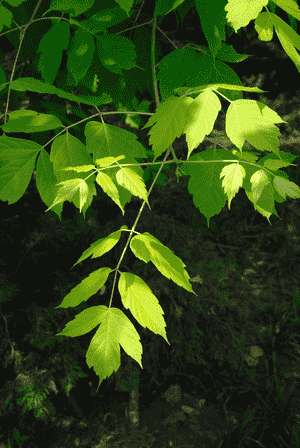
This swift-growing, leaf-shedding tree, characterized by its compound foliage and seeds spread by wind, necessitates trimming to preserve its form and vitality. Essential methods for Acer negundo involve reducing dense branches, eliminating deceased or ailing limbs, and sculpting for visual appeal or spatial clearance. The most effective time for pruning is from late winter to early spring, prior to the heightened flow of sap. Trimming Acer negundo can enhance air movement, lower the chance of illness, and control undesirable shoot development, leading to a sturdy, evenly shaped crown.
What Are the Benefits of Pruning Box Elder?
What Are the Benefits of Pruning Box Elder?
Trimming box elder promotes more robust growth and helps maintain its desired shape, preventing excessive growth and fostering plant vitality.
What Is the Best Time for Pruning Box Elder?
What Is the Best Time for Pruning Box Elder?
Late winter and early spring, during box elder's dormant phase, are ideal for pruning as sap flow is minimal. This lessens the chance of sap bleeding, which can attract pests and diseases. Pruning at this time allows wounds to mend quickly, with new spring growth aiding in sealing cuts. Additionally, without leaves, the plant's structure and health are clearer, facilitating precise pruning decisions. This timing also prevents cutting off new buds, which could limit the upcoming season's growth and harm box elder's overall vigor. Pruning during these seasons encourages a strong structure and healthy growth cycle for box elder.
What Tools Do I Need to Prune Box Elder?
Hand Pruners
Perfect for cutting small branches of box elder, enabling precise cuts without harming nearby branches.
Lopping Shears
Used for slightly thicker branches that hand pruners can't manage, offering leverage for cleaner cuts.
Pruning Saw
Crucial for removing larger branches of box elder, as it cuts through thicker wood that shears cannot handle, ensuring quick healing.
Pole Pruner
Allows gardeners to trim higher branches of box elder, which might be out of reach with standard tools, promoting good tree shape and health.
Pruning Gloves
Protects the gardener's hands from thorns and rough bark of box elder, ensuring safety during the pruning process.
Garden Ladder
Provides stability and height for pruning tasks on box elder, ensuring gardener safety and access to all parts of the plant.
How to Prune Box Elder
Step1: Timing for Pruning
Start pruning box elder in late winter or early spring before new growth begins. This timing reduces tree stress and improves wound healing.
Step2: Identify Dead or Diseased Branches
Inspect the structure of box elder to find all dead wood, diseased limbs, and damaged branches that require trimming. Look for discolored, brittle, or bud-less branches.
Step3: Sanitize Pruning Tools
Disinfect your pruning tools with a 10% bleach solution or rubbing alcohol to prevent disease transmission between cuts.
Step4: Pruning Dead Wood
Trim dead wood by making cuts at a slight angle, approximately 1/4 inch above a live bud or branch junction. This encourages healthy regrowth and proper wound sealing.
Step5: Remove Diseased Limbs
Cut back diseased limbs to healthy tissue. Ensure the cut is clean and avoid tearing the bark to promote faster healing. Dispose of diseased limbs properly to prevent pathogen spread.
Step6: Trim Damaged Branches
Cut damaged branches back to their origin point or to the nearest lateral branch strong enough to take over. Avoid leaving stubs, which can attract pests and disease.
Step7: Thin Out for Light and Air
Thin out dense areas to improve light penetration and air circulation. Remove smaller branches that cross or rub against each other, which can cause wounds and entry points for disease.
Step8: Shape Tree Canopy
Shape the canopy of box elder by removing any branches that disrupt its natural form. Ensure an even distribution of branches around the tree.
Step9: Cleanup After Pruning
After pruning, clear all debris from the base of box elder to prevent fungal infections and deter pests.
Step10: Water Tree Post-Pruning
Water box elder after pruning to help reduce stress on the tree and create a good environment for healing.
Step11: Monitor Tree Health Post-Pruning
Observe the pruned areas of box elder over subsequent seasons for signs of decay or disease, and take action if necessary.
Post-Pruning Care for Box Elder
Post-Pruning Care for Box Elder
Immediately after pruning, water box elder generously to lessen stress. Ensure it's in partial shade, avoiding harsh midday sun. Maintain stable temperature and moderate humidity, reducing fluctuations that could impede recovery. Supplement with a balanced, slow-release fertilizer to replenish nutrients without encouraging excessive new growth. Regularly check pruning sites for any signs of disease or pest infestation. If issues arise, promptly treat with the appropriate fungicide or insecticide. Consistent monitoring helps secure box elder's health and vigor.
Common Pruning Mistakes with Box Elder
Unsterilized Pruning Tools
Failing to use sterilized tools, which can introduce diseases to box elder.
Damaging Pruning Cuts
Cutting too close to the trunk or parent stem, which can harm the collar and affect box elder's healing process.
Excessive Foliage Removal
Removing too much of box elder at once, which can stress the tree and lead to poor growth or vulnerability to pests and diseases.
Torn or Jagged Branch Cuts
Ripping or tearing branches instead of making clean cuts, leading to wounds susceptible to infection in box elder.
Ignored Competing Leaders
Neglecting to remove competing leaders to establish a strong central trunk, which can result in a weaker structure for box elder.
Over-pruning Lower Branches
Excessively trimming the lower branches, which can reduce the overall vigor and stability of box elder.
Poor Branch Selection
Failing to identify and preserve healthy, well-placed branches to maintain the aesthetic form and structure of box elder.
Common Pruning Tips for Box Elder
Tool Sterilization
Sterilize pruning tools before and after use to prevent the spread of disease to and from box elder.
Proper Cut Placement
Make pruning cuts just outside the branch collar to promote effective healing, without damaging the trunk or parent stem.
One-Third Foliage Rule
Follow the one-third rule, not removing more than a third of box elder's foliage during a single pruning session to avoid undue stress.
Sharp Tools for Clean Cuts
Use sharp pruning tools to make clean cuts that heal more efficiently and reduce the risk of disease in box elder.
Maintaining a Dominant Leader
Identify and maintain a dominant leader, selectively removing competing stems to enhance the structural integrity of box elder.
Gradual Lower Branch Pruning
Prune lower branches of box elder gradually, ensuring that the tree retains enough foliage for photosynthesis and growth.
Structural Assessment for Pruning
Assess the overall structure and form before making cuts, selectively removing only the branches that contribute to poor form or overcrowding in box elder.
Post-Pruning Monitoring
Monitor box elder after pruning for signs of disease or pests, and follow-up with appropriate care to maintain tree health and vigor.



