How to Prune Japanese maple?
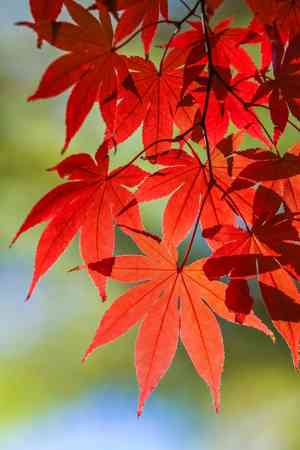
Renowned for its elegant leaves and vivid hues, japanese maple thrives with regular trimming to preserve its form and vitality. Essential methods involve thinning cuts to enhance light exposure and air circulation, alongside remedial pruning to eliminate deceased or intersecting limbs. The timing is crucial; perform pruning in late winter or early spring to reduce sap leakage and the potential for illness. Trimming japanese maple additionally stimulates more robust development and refines its inherent architecture, rendering it an indispensable component of nurturing this decorative variety.
Advantages of Trimming Japanese Maple
Advantages of Trimming Japanese Maple
Trimming japanese maple promotes vitality and maintains its desired shape. Regular cutting eliminates dead or crowded branches, improving light penetration and airflow, which are crucial for robust health.
Optimal Period for Pruning Japanese Maple
Optimal Period for Pruning Japanese Maple
Pruning japanese maple in late winter or early spring is ideal as this timing avoids the sap flow period, which can cause bleeding if pruned too late. Pruning during dormancyâbefore the tree begins its annual growth cycleâminimizes stress and allows japanese maple to heal prior to new growth. Furthermore, without leaves, the branch structure is more visible, simplifying strategic cuts. This timing also prevents pruning cuts from hindering the spring growth surge, ensuring the tree has energy for healing and growth. Pruning after autumn can heighten the risk of fungal infections, making late winter preferable. Lastly, avoiding the flowering period enables the tree to allocate energy to new foliage and branch development post-pruning.
Necessary Tools for Pruning Japanese Maple
Bypass Pruners
Perfect for cutting small branches on japanese maple, bypass pruners create a clean cut without crushing the plant's delicate tissues, which is crucial for maintaining the tree's health.
Pruning Saws
For larger branches too thick for pruners, a sharp pruning saw allows precise cuts without damaging the rest of japanese maple.
Loppers
When branches are thicker and out of reach for pruners, but not thick enough for a saw, loppers provide the leverage needed for clean cuts on japanese maple.
Pole Pruners
For trimming higher branches on japanese maple without a ladder, pole pruners offer extended reach, ensuring safety and accuracy from the ground.
Sharp Scissors
Japanese maple's fine twigs and leaves benefit from sharp scissors or snips for delicate shaping and thinning small, congested branches.
Wound Dressing
Though not a cutting tool, applying wound dressing after cuts on japanese maple can protect exposed wood from diseases and pests, though its necessity is debated among horticulturists and often deemed unnecessary for smaller cuts.
Gloves and Safety Gear
Safety is paramount. Durable gloves protect hands during japanese maple pruning, and safety glasses shield eyes from potential hazards.
How to Prune Japanese Maple
Step1: Pruning Schedule
Determine the best time to prune japanese maple, typically late winter or early spring before sap flow begins. This timing reduces plant stress and makes japanese maple's structure more visible without leaves.
Step2: Tool Selection
Gather appropriate pruning tools, ensuring they are sanitized and sharp. Use bypass pruners for small branches, loppers for medium branches, and a pruning saw for larger ones.
Step3: Dead Wood Removal
Begin pruning japanese maple by removing any dead wood. Carefully inspect japanese maple for brown, brittle branches lacking green under the bark when lightly scratched. Cut these branches back to healthy, living tissue.
Step4: Diseased Branch Elimination
Next, remove any diseased branches from japanese maple. Look for branches with signs of fungal infection, unusual growths, or discoloration. Cut well into healthy tissue to prevent disease spread, and sterilize tools after cutting diseased material.
Step5: Broken Branch Trimming
Trim away broken branches on japanese maple. Cut these branches back to a healthy lateral branch or just above an outward-facing bud. The cut should be clean and sloped away from the bud to prevent water damage.
Step6: Plant Shaping
After removing dead, diseased, and broken branches, step back to assess japanese maple's shape. If needed, trim unbalanced branches or those disrupting the plant's aesthetics, keeping japanese maple's natural form in mind.
Step7: Cleanup and Debris Disposal
Conclude by clearing all trimmings and debris from around japanese maple's base to deter pests and disease. Properly dispose of diseased material to prevent contamination of other plants.
Step8: Post-Pruning Plant Care
Monitor japanese maple's health after pruning. Proper care, such as adequate watering and mulching, aids japanese maple's recovery. Avoid over-fertilizing, which can lead to excessive growth requiring more frequent pruning.
Post-Pruning Care for Japanese Maple
Post-Pruning Care for Japanese Maple
Immediately after pruning japanese maple, thorough watering is essential to alleviate stress. Shield japanese maple from intense sunlight, maintaining moderate light exposure. Ensure high humidity and stable, cool temperatures to aid recovery. After three weeks, apply a balanced, slow-release fertilizer to support new growth. Regularly inspect pruning sites for signs of disease or distress, such as discoloration or wilting. If symptoms appear, apply appropriate fungicide or antibacterial agents and consult a specialist for severe cases.
Common Pruning Errors with Japanese Maple
Excessive Pruning and Stress
Pruning too aggressively, which can stress japanese maple and result in a weak structure or poor aesthetic form.
Dull/Unclean Tool Damage
Using dull or unclean tools, which can cause unnecessary damage to japanese maple and increase the risk of disease transmission.
Incorrect Cut Technique
Making improper cuts, such as leaving stubs or cutting too close to the trunk, which can lead to poor healing and potential disease entry.
Disregarding Plant's Natural Shape
Ignoring japanese maple's natural shape, leading to a loss of its characteristic form and grace.
Failure to Remove Dead/Diseased Wood
Not removing dead or diseased wood, which can hinder healthy growth and create an environment for pests and diseases to thrive.
Pruning Without Purpose or Plan
Pruning without a clear purpose or plan, which can result in excessive or haphazard cutting and compromise the plant's health and appearance.
General Pruning Advice for Japanese Maple
Respect Plant's Growth Habit
Understand japanese maple's growth habit and branch structure to facilitate pruning that enhances its natural form and beauty.
Sharp, Clean Tool Use
Use sharp, clean pruning tools to make precise cuts, which will promote quick healing and reduce the chances of disease.
Selective Pruning for Light and Air
Prune selectively to maintain a balanced and open structure, allowing for adequate light penetration and air circulation.
Correct Deadwood and Disease Removal
Focus on removing dead, broken, or diseased branches first, ensuring cuts are made at the proper position to foster healthy regrowth.
Aesthetic Canopy Thinning
Consider japanese maple's overall balance and proportion when thinning smaller branches, aiming to create an aesthetically pleasing, well-ventilated canopy.
Avoid Topping; Prune Larger Branches Correctly
Avoid topping or cutting back japanese maple to manage size; instead, selectively remove larger branches where needed, ensuring to cut at the branch collar without leaving stubs.



