How to Prune Norway maple?
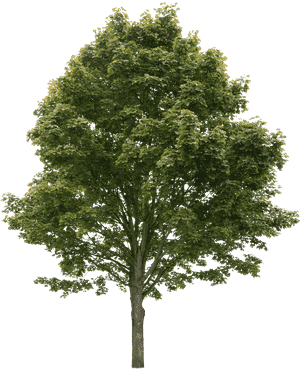
The norway maple, a deciduous hardwood recognized for its expansive, leafy crown, flourishes with consistent trimming to preserve its form and vitality. Essential methods involve reducing dense branches and eliminating deceased or ailing wood. Conduct pruning during its dormant phase, in late winter or early spring, to lessen sap leakage and facilitate wound healing. This particular species benefits from pruning to boost air movement and light exposure, which are crucial for vivid foliage and vigorous development.
Advantages of Trimming Norway Maple
Advantages of Trimming Norway Maple
Trimming norway maple promotes more robust development and helps preserve its desired form. Strategic cuts can enhance sunlight penetration and air movement, fostering a sturdy structure and pleasing appearance.
Optimal Period for Trimming Norway Maple
Optimal Period for Trimming Norway Maple
Trimming norway maple in late winter, just before spring growth begins, is ideal because the tree is still dormant and the absence of leaves allows for clear sight of its structure, enabling more precise pruning. Early spring trimming is also suitable as it aligns with the start of the plant's growth cycle, allowing the tree to recover quickly from cuts and minimize stress. Pruning during these seasons avoids the peak sap flow that norway maple experiences in late spring, which can result in excessive bleeding and potential health issues for the tree. Furthermore, it prevents the removal of new growth and ensures that energy reserves are utilized for healing rather than supporting severed limbs, thereby optimizing the tree's recovery and subsequent development.
Required Tools for Trimming Norway Maple
Hand Pruners
For cutting small branches up to 3/4 inch in diameter on norway maple, bypass hand pruners are preferred. Their scissor-like action allows for clean cuts that promote healthy regrowth.
Loppers
These are ideal for branches that are slightly thicker, generally up to 1 1/2 to 2 inches in diameter. The long handles provide leverage to make cutting easier and are appropriate for reaching into norway maple's dense canopy.
Pruning Saw
For branches over 2 inches in diameter, a pruning saw is necessary. Its coarse teeth can handle the thicker, older branches of norway maple without causing unnecessary damage to the plant's structure.
Pole Pruner
Norway maple can reach significant heights, and a pole pruner can be used to safely trim branches without the need for a ladder. Choose one with both a saw and a lopper attachment for versatility.
Hedge Shears
While not commonly used for norway maple due to its tree form, hedge shears can be utilized for shaping young saplings or hedges derived from this species. They enable quick, even cuts across multiple small branches at once.
How to Trim Norway Maple
Step1: Pruning Timing
Determine the best time to trim norway maple, which is during late winter or early spring before sap begins to flow. This timeframe minimizes the risk of sap bleeding and encourages faster healing.
Step2: Tool Sterilization
Sanitize your trimming tools before you start and between cuts if you are removing diseased wood. Use a 10% bleach solution or isopropyl alcohol to reduce the risk of spreading pathogens.
Step3: Removing Yellow Leaves
Begin by removing yellow leaves by hand or with small pruning shears, ensuring you do not harm the healthy parts of norway maple. Dispose of these leaves away from the norway maple to prevent potential re-infection or pest attraction.
Step4: Pruning Withered Branches
Carefully inspect norway maple for withered branches, which appear dry and brittle. Make pruning cuts at a 45-degree angle just above a healthy bud or lateral branch, ensuring the bud or branch is facing outward to direct new growth away from the center of norway maple.
Step5: Excising Diseased Wood
Locate and remove diseased wood, which may be discolored, cracked, or oozing. Cut back to healthy tissue, at least several inches below the affected area, to ensure all diseased parts are removed. Always cut just outside the branch collar, the swollen area of trunk tissue that forms around the base of a branch, to foster proper healing.
Step6: Thinning the Canopy
Thin out the canopy of norway maple by removing any overly crowded branches to increase light penetration and air circulation, which helps reduce disease pressure. Focus on crossing or rubbing branches that can create wounds and allow disease entry.
Step7: Shaping the Plant
Shape norway maple by trimming back over-extended branches to maintain the desired form and size. Avoid topping or cutting back the main leader unless it is damaged, as this can affect the tree's natural shape and health.
Step8: Debris Cleanup
Clean up all debris from pruning norway maple, including leaves, branches, and wood. Properly dispose of any diseased material to prevent any spread of disease or pests.
Step9: Post-Pruning Watering
Water the norway maple thoroughly after pruning to reduce stress and apply mulch around the base to help conserve soil moisture and regulate soil temperature.
Step10: Monitoring Growth
Monitor norway maple for signs of new growth and health. After pruning, it's crucial to watch for any potential issues and ensure the tree is healing and responding well to the pruning.
Aftercare for Norway Maple Post-Pruning
Aftercare for Norway Maple Post-Pruning
Immediately after trimming norway maple, ensure cuts are clean to promote healing. Adjust light exposure to prevent sunscald, maintaining moderate sunlight. Regulate humidity and temperature to support norway maple's recovery, avoiding extremes. Fertilization should be conservative; opt for a balanced slow-release fertilizer to encourage healthy regrowth. Monitor norway maple for signs of stress, such as wilted leaves or unusual discoloration. If signs of infection like sap oozing or fungal growth appear, treat promptly with an appropriate fungicide. Regular inspections will ascertain successful post-pruning recovery.
Common Trimming Errors with Norway Maple
Over-pruning Stress
Excessive trimming can stress norway maple, leading to poor health and slow recovery. Removing more than 25% of the canopy in one season is excessive.
Improper Cuts on Old Wood
Cutting into old wood can result in areas that are slow to heal, making norway maple susceptible to pathogens and pests.
Damaging with Dull Tools
Using dull or dirty tools can cause ragged cuts that harm norway maple, potentially leading to disease and decay.
Unplanned Pruning
Trimming without a clear objective might lead to an undesirable shape or damage the natural form of norway maple.
Harmful Tree Topping
Topping norway maple (cutting back the tree crown indiscriminately) can stimulate weak, fast growth that may compromise the tree's structure.
General Trimming Advice for Norway Maple
Use Clean Sharp Tools
Use clean, sharp tools to make smooth cuts that norway maple can heal from more quickly.
Prune with Specific Goals
Target specific goals such as removing dead or diseased wood, thinning for light penetration and air circulation, and maintaining safety.
Correct Cut Placement
Cut just outside the branch collar without leaving a stub, as this allows norway maple to heal more effectively and protects against disease.
Maintain Natural Shape
Identify the leader and lateral branches to maintain a strong, well-shaped canopy that reflects norway maple's natural form.
Prune Younger Branches Early
Prioritize cutting branches when they are young and smaller in diameter to minimize stress on norway maple and promote faster wound closure.



