How to Prune Red maple?
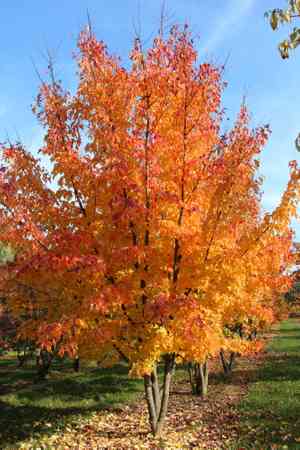
This seasonal tree, celebrated for its vibrant autumn hues, flourishes when given appropriate attention. Essential trimming methods for red maple involve excising lifeless, ailing, or intersecting limbs to foster robust development and preserve its inherent form. The most suitable periods for pruning are from late winter to early spring, prior to an increase in sap circulation. Pruning benefits red maple by averting potential deterioration from abundant sap discharge and elevates its visual charm.
Advantages of Trimming Red Maple
Advantages of Trimming Red Maple
Trimming red maple promotes vigorous new growth and helps maintain its desired shape. This selective branch removal ensures a healthier structure and improved appearance.
Optimal Time for Pruning Red Maple
Optimal Time for Pruning Red Maple
During late winter, red maple is dormant, which minimizes sap flow and bleeding from cuts. This timing allows wounds to begin healing before the spring growth surge. Pruning in early spring, prior to new growth, is also effective, enabling gardeners to shape red maple's development and remove any dead or damaged branches without stressing the plant. These periods avoid autumn pruning when fungi are prevalent and cuts heal slower, keeping red maple healthier. Furthermore, pruning outside the active growth phase ensures the plant's energy is directed towards healing and new growth in the upcoming season.
Required Tools for Pruning Red Maple
Hand Pruners
Ideal for cutting small branches on red maple less than 1/2 inch in diameter. Opt for bypass pruners, which provide a clean cut without crushing plant tissue.
Lopping Shears
Useful for slightly larger branches, up to 1 and 1/2 inches in diameter, especially for reaching into red maple's canopy without strain.
Pruning Saw
Best for larger branches exceeding 1 and 1/2 inches thick. A curved blade can facilitate cutting through thick branches of red maple.
Pole Pruner
Allows access to higher branches of red maple without needing a ladder. Choose a tool with both a saw and a pruner on the end for versatility.
Hedge Shears
Not typically essential for red maple, but can be used for shaping hedges if red maple is cultivated in this manner.
Safety Equipment
Though not a cutting tool, safety goggles and gloves are crucial to protect the gardener from potential injury while pruning red maple.
How to Prune Red Maple
Step1: Assess Branch Health
Evaluate red maple before pruning to identify branches needing attention. Focus on locating dead wood, diseased limbs, and broken branches.
Step2: Prepare Pruning Tools
Ready your tools. Use sharp, clean pruning shears for small branches and a pruning saw for larger limbs. Disinfect tools with alcohol or a 10% bleach solution to prevent disease spread.
Step3: Remove Dead Wood
Begin with dead wood. Identify dead branches by checking for absence of buds or leaves, brittle wood, and discolored bark. Cut dead branches back to living tissue, just above a lateral branch or bud.
Step4: Prune Diseased Limbs
Next, prune diseased limbs. Make cuts well below affected areas, ideally back to a main branch or trunk. Ensure no diseased stubs are left, as they can become infection sites.
Step5: Cut Broken Branches
Remove broken branches. Make a clean cut above the break to a lateral branch or bud. For larger breaks, use the three-cut method: an undercut away from the trunk, a second cut further out to remove weight, then a final cut at the branch collar for proper healing.
Step6: Apply Wound Treatment If Necessary
Seal cuts on red maple if beneficial for the species. Some trees benefit from wound paint to prevent disease, while others do not. Red maple typically doesn't require sealing, as it can heal naturally.
Step7: Shape and Structure Pruning
Trim for shape and structure only after removing all dead, diseased, and broken wood. Target branches that are rubbing, crossing, or growing inward. Maintain an open canopy for light penetration and air circulation.
Step8: Avoid Over-Pruning
Avoid topping or severe cutting back of red maple. This species is best pruned sparingly, focusing on removing unhealthy wood and preserving its natural shape.
Step9: Clean Up Debris
Clear the area around red maple after pruning to prevent fungal infections. Dispose of all diseased wood and keep the tree's base free from debris.
Step10: Regular Pruning Schedule
Schedule regular inspections of red maple and prune as needed, ideally during dormancy in late winter to early spring, to minimize sap bleeding and stress on the tree.
Post-Pruning Care for Red Maple
Post-Pruning Care for Red Maple
After pruning red maple, immediately ensure clean cuts to prevent disease. Position red maple to receive adequate light, maintaining humidity and stable temperatures. Implement a balanced fertilization regimen to aid recovery, avoiding excess nitrogen. Regularly inspect for pest activity or fungal infections at the prune sites. If stress signs appear, adjust care, possibly increasing water intake or providing shade. Maintain soil moisture, but avoid overwatering to prevent root rot. These steps promote the robust regrowth of red maple.
Common Pruning Errors with Red Maple
Excessive Canopy Pruning Stresses Tree
Pruning too much of red maple's canopy at once can stress the tree, leading to poor health or growth issues. Removing over 25% of live branches can have adverse effects.
Improper Cuts Lead to Disease and Pests
Cutting branches improperly by either leaving a long stub or cutting too close to the trunk can result in poor healing and make red maple vulnerable to disease and pests.
Removing Leader Branch Weakens Structure
Removing the leader branch, the main upward-growing branch on red maple, can lead to a weak structure and multiple leader branches that are more susceptible to damage.
Key Pruning Tips for Red Maple
Use Clean, Sharp Tools for Healthy Cuts
Utilize clean, sharp tools to make precise cuts that will heal quickly, reducing stress on red maple and minimizing disease risk.
Prune Outside Branch Collar for Proper Healing
Identify the branch collar before making a cut, and prune just outside it without leaving a stub. This approach encourages proper healing for red maple.
Remove Damaged Branches to Enhance Air and Light
When thinning red maple's canopy, prioritize removing diseased, damaged, or dead branches first to improve air circulation and light penetration, which are vital for healthy growth.



