How to Prune Tartarian maple?
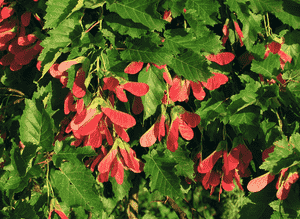
This leafy shrub or compact tree flourishes in diverse soil compositions and is recognized for its numerous stems and brilliant fall leaves. For tartarian maple, effective trimming entails excising deceased or ailing wood and reducing congested limbs to foster robust, flourishing development. The ideal period to trim tartarian maple is in late winter or early spring, prior to the emergence of new shoots. This schedule facilitates superior wound recovery and energetic spring development. Trimming additionally preserves the plant's inherent form, boosts air movement, and elevates its flowering capacity.
What Are the Benefits of Pruning Tartarian Maple?
What Are the Benefits of Pruning Tartarian Maple?
Trimming tartarian maple encourages robust development and helps maintain its desired shape. Strategic cuts stimulate tartarian maple's growth and can redirect energy to stronger branches, boosting the plant's vitality and visual appeal.
What Is the Best Time for Pruning Tartarian Maple?
What Is the Best Time for Pruning Tartarian Maple?
Pruning tartarian maple in late winter and early spring is optimal because the plant remains dormant then. This timing prevents sap bleeding, which can occur if the tree is pruned after sap flow begins. Late winter pruning also allows for clean cuts without tearing, as the wood is less likely to be soft or wet compared to warmer seasons. Furthermore, pruning before new growth in early spring helps direct the plantâs energy toward producing fresh, healthy growth in the desired form. It also enables gardeners to clearly see tartarian maple's structure without foliage obstruction and to remove any dead, damaged, or diseased wood that could affect tartarian maple's health or aesthetic value.
What Tools Do I Need to Prune Tartarian Maple?
Hand Pruners
Perfect for making precise cuts on smaller branches typically found on tartarian maple. Hand pruners ensure accuracy when shaping or removing thin stems and twigs.
Lopping Shears
Suitable for cutting branches up to 1.5 inches in diameter. They offer leverage for branches that hand pruners cannot manage, which is useful as tartarian maple matures and develops thicker branches.
Pruning Saw
Essential for branches thicker than 1.5 inches. The saw allows for careful removal of large branches without harming tartarian maple.
Pole Pruner
Recommended for reaching higher branches on tartarian maple without needing a ladder. Ensures safety and easier access to the canopy.
Hedge Shears
Useful for trimming and shaping if tartarian maple is maintained as a hedge. They provide an even cut for a manicured look.
How to Prune Tartarian Maple
Clean Tools
Before starting, ensure all pruning tools are clean and sharp to prevent disease spread and to make clean cuts.
Inspect
Examine tartarian maple for dead branches by looking for an absence of buds or brittle, dry limbs. Diseased branches may show signs of discoloration, unusual growths, or cankers.
Cut Dead Branches
Using appropriate pruning tools like hand pruners or saws, remove dead branches by cutting at the point where they meet healthy wood, taking care not to damage the collar or healthy tissue.
Cut Diseased Branches
Remove diseased branches, ensuring to cut well into healthy wood to guarantee the complete removal of any diseased tissue.
Disinfect
After each cut of a diseased branch, disinfect the pruning tools with a 10% bleach solution or alcohol to prevent the spread of pathogens to other parts of tartarian maple.
Common Pruning Mistakes with Tartarian Maple
Over-Pruning
Removing too much of tartarian maple's foliage or branches can weaken the plant and reduce its vigor. Excessive pruning can lead to decreased flowering and a less attractive form.
Flush Cuts
Making flush cuts against the main branch or trunk can remove the branch collar, which can impede the healing process and make tartarian maple susceptible to pests and diseases.
Neglecting Dead Wood
Failing to remove dead or diseased wood can invite pests and disease into tartarian maple, compromising its health and structural integrity.
Improper Tool Use
Using dull or dirty pruning tools can damage the branches, leaving jagged cuts that are more prone to disease. It is important to use clean, sharp tools for precise cuts.
Common Pruning Tips for Tartarian Maple
Selective Thinning
Carefully thin out tartarian maple's crowded branches to improve air circulation and light penetration, which will encourage healthier growth and flowering without altering the plant's natural shape.
Preserve Shape
Prune with tartarian maple's natural form in mind, avoiding over-pruning that can result in an unnatural appearance or uneven growth.
Cutting Technique
Make cuts at a 45-degree angle about 1/4 inch above a bud that faces away from the plant's center. This encourages new growth to develop outwards from tartarian maple.
Sanitation
Regularly sanitize pruning tools with a solution of one part bleach to nine parts water to prevent the spread of diseases between plants during the pruning of tartarian maple.
Healing
Allow natural healing over the pruned areas without applying wound dressings, which can actually hinder tartarian maple's healing process and promote disease.



