How to Prune Black cohosh?
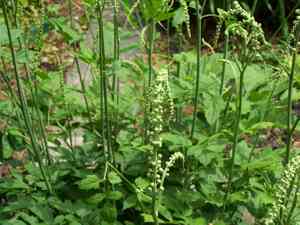
This enduring herbaceous plant is recognized for its elevated white flower spikes and thrives in forested environments. For black cohosh, trimming can stimulate denser development and preserve an attractive form. After blooming, reduce the foliage to foster the subsequent year's growth. Remove any lifeless or compromised stalks in early spring, and contemplate a gentle shaping in late summer to keep black cohosh neat. Advantages encompass improved plant robustness and potentially greater floral output.
What Are the Benefits of Pruning Black Cohosh?
What Are the Benefits of Pruning Black Cohosh?
Trimming black cohosh encourages robust development and maintains its desired form. It fosters stronger, healthier plant structures, aiding in improved resistance against pests and diseases, while ensuring peak visual appeal.
What Is the Best Time for Pruning Black Cohosh?
What Is the Best Time for Pruning Black Cohosh?
Trimming black cohosh in early spring is optimal as it allows for the removal of any dead or damaged foliage from winter, without affecting new growth crucial for the upcoming season. This timing ensures energy is directed to healthy plant parts, promoting vigorous growth. Late summer is also suitable for pruning black cohosh after its flowering cycle. Trimming then helps maintain plant shape and size, can stimulate a second bloom in some cases, and allows for the removal of spent flower stalks, improving overall plant health and appearance. These periods avoid disrupting black cohosh's natural growth cycle, ensuring the plant remains strong and recovers well from pruning.
What Tools Do I Need to Prune Black Cohosh?
Hand Pruners
Perfect for making accurate cuts on black cohosh's thinner stems and branches, minimizing harm to surrounding plant tissue.
Pruning Saw
Suitable for thicker branches that hand pruners cannot manage, helping to remove large stems cleanly without tearing.
Lopping Shears
Useful for cutting through moderately thick stems that are out of reach or need extra leverage, improving access and reducing user fatigue.
Gloves
Protects the gardener's hands from scratches and sap during black cohosh pruning, ensuring safety and comfort for the task.
How to Prune Black Cohosh
Step1: Identify Parts to Prune
Clean your pruning tools before making any cuts to prevent disease spread. Use a solution of 1 part bleach to 9 parts water to disinfect your shears.
Step2: Sanitize Pruning Tools
Begin by removing spent flower stalks as they have completed their cycle and no longer contribute to the plant's growth or appearance. Locate the base of the stalk where it emerges from the foliage and make a clean cut at a 45-degree angle using sharp pruning shears.
Step3: Remove Spent Flower Stalks
Identify dead foliage by its brown or withered look. Prune these leaves at their base where they meet the stem or main plant, being careful not to harm any healthy surrounding foliage.
Step4: Prune Dead Foliage
Inspect black cohosh for any signs of disease, such as unusual spots, discolored stems, or rot. Isolate diseased parts and remove them by cutting well into healthy tissue to ensure all affected areas are completely removed. Dispose of these parts away from the garden to prevent disease spread.
Step5: Cut Away Diseased Parts
Prune black cohosh to shape the plant, if needed, after removing unwanted parts. Be careful not to over-prune, as this can stress the plant. Aim to maintain a natural appearance by following the plant's inherent growth patterns.
Step6: Shape the Plant
Once pruning is finished, clear all removed plant material from around the base of black cohosh to deter pests and disease. Compost healthy plant material and securely dispose of diseased parts.
Step7: Clean Up Pruning Debris
Water black cohosh after pruning to help it recover from the stress of trimming. Ensure water reaches the roots and the soil is moist but not waterlogged.
Step8: Water the Plant Post-Pruning
Monitor black cohosh after pruning for signs of new growth or any issues. Proper after-care will encourage healthy development and reduce the chances of disease.
Post-Pruning Care for Black Cohosh
Post-Pruning Care for Black Cohosh
Immediately after trimming black cohosh, ensure it's gently watered to lessen stress. Position black cohosh in moderate indirect light, as excessive sun can harm freshly cut stems. Maintain humidity levels and a temperature range of 60-70°F to aid healing. Apply a balanced, slow-release fertilizer to support new growth. Regularly check black cohosh for wilted leaves or signs of infection, such as unusual spots or decay. If symptoms appear, treat promptly with fungicides or insecticidal soap, following manufacturer instructions.
Common Pruning Mistakes with Black Cohosh
Excessive Pruning Shock
Trimming too aggressively, which can shock black cohosh and potentially lead to reduced vigor or susceptibility to disease.
Incorrect Pruning Angle Promotes Rot
Cutting stems at the wrong angle, causing water to collect at the cut site and increasing the risk of rot or fungal disease.
Uniform Stem Height Reduces Natural Aesthetics
Trimming all stems to the same height, which can result in a less natural look and may not support optimal plant health.
Over-Pruning Hinders Photosynthesis
Removing too much foliage at once, leaving black cohosh unable to photosynthesize effectively and stunting its growth.
Disease Spread by Unsanitized Tools
Failing to disinfect pruning tools before use, potentially spreading diseases from infected plants to healthy ones.
Common Pruning Tips for Black Cohosh
Precision Cuts with Clean Shears for Healing
Use clean, sharp pruning shears to make precise cuts, which help black cohosh heal faster and reduce the chance of disease introduction.
45-Degree Angle Cuts to Prevent Disease
Prune stems at a 45-degree angle to prevent water from pooling on the cut surface, which discourages disease.
Vary Stem Heights for Natural Growth
While pruning, vary the height of the stems to encourage a more natural and aesthetically pleasing shape and to improve air circulation.
Prune Only Necessary Parts to Avoid Stress
Remove only the necessary parts of the plant, such as dead or diseased wood and spent flower stems, to encourage black cohosh's growth without overstressing it.
Disinfect Tools to Prevent Pathogen Transfer
Disinfect pruning tools before and after pruning black cohosh to minimize the risk of transferring pathogens.



