How to Prune California buckeye?
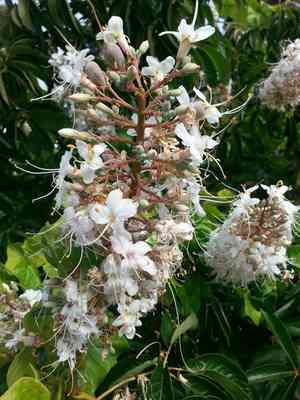
This shedding tree, recognized for its prominent blossoms and expansive, palmate foliage, flourishes in various settings. Essential trimming methods for california buckeye involve excising lifeless or ailing limbs, reducing density to refine its form, and curtailing excessive growth. The ideal period for pruning is from late winter to early spring, prior to the emergence of new shoots. Trimming california buckeye can avert the dissemination of ailments, foster more abundant blooms, and sustain a controlled stature, yet refrain from severe pruning as it may cause distress to the tree.
What Are the Benefits of Pruning California Buckeye?
What Are the Benefits of Pruning California Buckeye?
Trimming california buckeye promotes robust development and maintains a desired form. It helps revitalize the plant, enhancing air movement and sunlight exposure, which are vital for its well-being and vigor.
What Is the Best Time for Pruning California Buckeye?
What Is the Best Time for Pruning California Buckeye?
These periods are considered ideal for pruning california buckeye as they align with the conclusion of dormancy but precede the spring growth surge. Pruning in late winter allows gardeners to shape the plant and eliminate any damaged or diseased wood without disrupting its growth cycle. Early spring pruning is also acceptable; it should be performed just before new growth emerges to ensure the plant has time to recover and direct energy toward developing new shoots and blooms. Avoiding pruning during active growth, flowering, and fruiting helps preserve the health and vitality of california buckeye, preventing stress and potential harm to the plant.
What Tools Do I Need to Prune California Buckeye?
Hand Pruners
Perfect for cutting smaller branches of california buckeye, typically those under 1 inch in diameter. These precise instruments allow for clean cuts without harming plant tissues.
Loppers
Suitable for medium-sized branches, generally 1 to 2 inches in diameter, found in california buckeye. Their extended handles provide leverage for making clean cuts with less effort.
Pruning Saw
Essential for larger branches over 2 inches in diameter in california buckeye, enabling the gardener to make accurate cuts on thicker growth.
Pole Pruner
Recommended for reaching higher branches of california buckeye without needing a ladder. Includes both a saw and a lopper on an extendable pole.
Garden Gloves
Protects hands from potential scratches or irritation while pruning california buckeye.
Safety Glasses
Ensures eye protection from flying debris while cutting branches of california buckeye.
How to Prune California Buckeye
Step1: Timing for Pruning
Choose the appropriate time of year to prune california buckeye, typically in late winter or early spring before new growth begins. This timing helps prevent disease and encourages a strong growth cycle.
Step2: Tools Preparation and Sanitization
Prepare your pruning implements. Use sharp, clean pruning shears for smaller branches and a pruning saw for larger limbs. Disinfect your tools with rubbing alcohol or a 10% bleach solution to prevent disease transmission.
Step3: Removing Dead Wood
Begin by removing any dead wood. Look for branches that are no longer alive by checking for dry, brittle wood, and an absence of buds. Cut these branches where they meet healthy wood, making cuts at a slight angle to promote water runoff and prevent disease.
Step4: Excising Diseased Limbs
Identify and remove any diseased limbs. Look for limbs with unusual growths, discolored bark, or leaves with spots or decay. Cut these branches well below the affected area, at least several inches into healthy wood, to ensure the disease is fully eradicated.
Step5: Deadheading Spent Flowers
Prune old flowers once they have finished blooming to encourage california buckeye to direct its energy towards new growth and seed production. Cut the spent flower stalks back to the base or to the nearest set of healthy leaves.
Step6: Canopy Thinning for Light and Air
Thin the canopy to enhance light penetration and air circulation. Remove selected live branches to open up the canopy, focusing on those that are crossing or rubbing against others. Make your cuts at a 45-degree angle just above a bud or branch junction.
Step7: Minimal Shaping for Aesthetics
Shape california buckeye for aesthetic purposes if desired, but do so minimally as california buckeye naturally possesses a pleasing form. Avoid heavy topping or excessive removal of branches, which can stress the tree and cause poor growth patterns.
Step8: Post-Pruning Cleanup
After pruning, clear all debris from around california buckeye to prevent disease spread. Properly dispose of or compost the trimmed branches, especially those that were diseased.
Step9: Observation and Care Post-Pruning
Monitor california buckeye after pruning for signs of new growth or any issues. Continue routine care, including watering, mulching, and fertilizing as appropriate for the species and your local climate.
Post-Pruning Care for California Buckeye
Post-Pruning Care for California Buckeye
Immediately after pruning california buckeye, ensure clean cuts to facilitate healing. Maintain ambient humidity and partial sun exposure; avoid temperature extremes. Apply a balanced, slow-release fertilizer to support growth without forcing lush foliage which can attract pests. Regularly inspect the pruning sites for signs of distress or infection, such as discoloration or oozing. If abnormalities are found, promptly apply a suitable fungicide or insecticide. Consistent watering will help california buckeye recover, but avoid overwatering to prevent root rot.
Common Pruning Mistakes with California Buckeye
Over-pruning: Too Much Growth Removal
Over-pruning is a frequent error, removing too much growth at once which can stress california buckeye or even lead to its decline.
Unsterilized Tools Spread Disease
Pruning without sterilizing the tools may spread disease to california buckeye, potentially harming the plant's health.
Ignoring Natural Shape During Pruning
A mistake is to not consider the natural shape of california buckeye during pruning, which can result in an unnatural appearance and reduce the plant's aesthetic appeal.
Damaging Cuts Close to Trunk or Branches
Cutting too close to the main trunk or branches can damage the plant's healing response, increasing susceptibility to pests and diseases.
Not Removing Dead or Diseased Wood
Neglecting to remove dead or diseased wood can allow problems to persist or worsen, impacting the overall health of california buckeye.
Removing New Buds or Growth Accidentally
Inexperienced pruners may inadvertently remove new buds or growth that are essential for the next season's flowers and foliage.
Common Pruning Tips for California Buckeye
Sanitize Tools to Prevent Disease Spread
Sanitize pruning tools before and after use to prevent the spread of diseases when trimming california buckeye.
Prune According to Natural Plant Form
Prune to maintain the natural form of california buckeye, removing only what is necessary to encourage healthy growth and flowering.
Angle Cuts Away From Buds for Proper Healing
Make cuts at a slight angle, away from buds and branches, to minimize water collection and encourage proper healing.
Thin Dense Areas for Light and Air Circulation
Thin out dense areas to improve light penetration and air circulation, which can help reduce the risk of disease in california buckeye.
Remove Dead Wood to Promote Plant Health
Focus on removing dead, damaged, or diseased wood first to promote the vigor and longevity of california buckeye.
Preserve Strong Leaders for Plant Stability
Retain the strongest leaders and branches to preserve the stability and structure of california buckeye, avoiding the removal of large limbs whenever possible.



