How to Prune Flossflower?
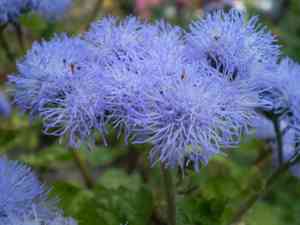
Distinguished by its soft blossoms and extended flowering duration, Ageratum benefits from consistent removal of faded blooms to stimulate ongoing floral production. Snip off withered flowers and lightly sculpt the plant throughout its active growth period. Trimming should be performed from the beginning of spring until late autumn, coinciding with its vigorous development stages. This practice helps Ageratum retain a dense structure and boosts its general well-being. Furthermore, pruning deters self-propagation, which can be abundant for this particular variety.
What Are the Benefits of Pruning Flossflower?
What Are the Benefits of Pruning Flossflower?
Trimming flossflower promotes more vigorous development by reallocating energy to fresh, healthy shoots. It also aids in preserving the plant's form for an attractive garden.
What Is the Best Time for Pruning Flossflower?
What Is the Best Time for Pruning Flossflower?
Pruning or trimming flossflower in early spring is advantageous as it readies the plant for the new growing season, fosters denser growth, and helps maintain an appealing shape. This timing allows the gardener to remove any winter frost damage and spent flowers. Pruning during the active growth period, typically from spring through summer, can encourage continuous flowering as flossflower often blooms on new growth. Deadheading, or the removal of faded blossoms, should be done consistently throughout the blooming season to enhance flowering. In late fall, after blooming has concluded, light pruning helps prepare flossflower for winter by removing any dead or diseased plant material, which can reduce the likelihood of pests and diseases overwintering in the plant debris. However, heavy pruning should be avoided at this time to prevent new growth that might be damaged by cold.
What Tools Do I Need to Prune Flossflower?
Hand Pruners
Handheld pruners are perfect for flossflower as they allow precise cuts without causing unnecessary harm to the delicate stems. Opt for bypass pruners, which feature curved, scissor-like blades that create clean cuts beneficial for plant health.
Pruning Shears
For shaping flossflower and trimming back faded flowers, pruning shears offer a sharp, straight blade ideal for snipping small stems. This promotes bushier growth and extends the flowering period.
Gardening Gloves
Protective gloves are crucial when pruning flossflower to prevent skin irritation from plant sap and to ensure a better grip on the tools.
Clean Cloth and Disinfectant
Using a clean cloth and disinfectant to wipe down tool blades between cuts prevents the spread of disease among flossflower plants.
How to Prune Flossflower
Step1: Sanitize Pruning Tools
Prepare clean, sharp pruning shears or scissors. Disinfect the blades with a solution of 1 part bleach to 9 parts water to prevent disease transmission. Allow the tool to dry completely before using it on flossflower.
Step2: Optimal Timing for Pruning
Choose a cool, overcast day or a calm evening to prune flossflower, as these conditions minimize plant stress and reduce the evaporation of essential water from the cuts.
Step3: Deadheading Spent Blooms
Begin by removing old flowers, also known as deadheading. Locate faded and wilted blooms, and cut them off just above the first set of full, healthy leaves. This encourages flossflower to produce more flowers and maintain a compact shape.
Step4: Removing Damaged Stems
Identify damaged stems on flossflower that show signs of disease, are broken, or have been affected by pests. Make cuts on these stems a few inches above ground level or just above a healthy set of leaves, depending on the extent of the damage.
Step5: Shaping and Trimming
Check the overall shape of flossflower. After removing old flowers and damaged stems, assess if the plant requires further shaping. If so, cut the stems just above a leaf node or bud to encourage bushier growth.
Step6: Inspect Pruning Quality
Inspect the pruning cuts on flossflower to ensure they are clean and lack ragged edges that could serve as entry points for pests or diseases.
Step7: Discard Removed Plant Material
Properly dispose of all removed plant materialâespecially damaged partsâto prevent the spread of any potential disease within your garden. Do not compost diseased material.
Step8: Water Plant Post-Pruning
Water flossflower after pruning to help it recover from the stress of pruning and to encourage new growth. Apply water directly to the base of the plant, avoiding the foliage.
Step9: Observe Post-Pruning Growth
Monitor flossflower over the next few weeks for new growth. If the plant responds well to pruning, it may be beneficial to perform another light pruning session later in the growing season to promote continued flowering.
Post-Pruning Care for Flossflower
Post-Pruning Care for Flossflower
After pruning flossflower, immediately water the plant thoroughly to alleviate stress. Maintain a humid environment while ensuring good airflow to prevent fungal infections. Place flossflower in bright, indirect light and shield from temperature extremes. Resume fertilization with a balanced liquid fertilizer to aid recovery and promote growth. Regularly check for wilting, discoloration, or lesions as indicators of stress or disease. At any sign of distress, adjust care and consult a specialist if conditions worsen.
Common Pruning Mistakes with Flossflower
Excessive Pruning Reduces Flowering and Weakens Plant
Over-pruning flossflower, which can lead to diminished flowering and a weakened plant structure.
Improper Tool Maintenance Causes Plant Injury and Disease
Using dull or dirty pruning tools, risking injury to flossflower and the potential for disease introduction.
Ignorance of Growth Patterns Harms Plant Shape and Health
Pruning without understanding the growth pattern of flossflower, resulting in undue harm to the plant's natural shape and vigor.
Excessive Base Foliage Removal Hinders Plant Energy and Growth
Removing too much foliage from the base, which deprives flossflower of the necessary energy for robust growth and bloom production.
Failure to Deadhead Redirects Energy to Seed Instead of Blooms
Neglecting to remove spent flowers or deadhead, which can result in flossflower focusing energy on seed production rather than new blooms.
Common Pruning Tips for Flossflower
Use Sharp, Clean Tools for Healthy Pruning Cuts
Ensure pruning tools are sharp and clean before beginning to promote clean cuts and prevent disease spread.
Encourage Bushy Growth with Stem Pinching or Cutting
Prune flossflower by pinching or cutting back the tips of the stems to encourage bushier growth and more abundant flowers.
Deadhead Regularly for More Blooms and Neatness
Regularly deadhead spent flowers to stimulate flossflower to produce new blooms and to maintain a tidy appearance.
Thin Crowded Stems for Better Airflow and Plant Health
Thin out crowded stems to improve air circulation and light penetration, which helps prevent disease and promotes healthy growth for flossflower.
Prune to Retain Natural Plant Shape and Avoid Shearing
Retain the natural shape of flossflower when pruning by evenly distributing cuts and avoiding shearing into unnatural forms.
Direct New Growth with Cuts Above Leaf Nodes
Make pruning cuts just above a leaf node or branching point to encourage flossflower to send out new growth in the desired direction.



