How to Prune Chinese evergreen?
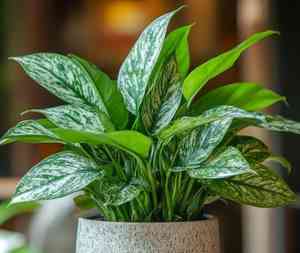
This tropical plant, recognized for its patterned leaves, thrives with trimming to foster a denser appearance and eliminate withered or discolored foliage. Essential pruning methods entail making cuts above leaf junctions with sanitized clippers. The ideal timeframe extends from the beginning of spring to the end of autumn, aligning with chinese evergreen's vigorous development period. Consistent trimming prevents elongated stems and encourages a more condensed, appealing structure. Important precautions include wearing gloves to guard against the sap, which may cause skin irritation.
What Are the Benefits of Pruning Chinese Evergreen?
What Are the Benefits of Pruning Chinese Evergreen?
Trimming chinese evergreen promotes vigorous development and maintains its compact form. This is crucial for preventing elongated stems, enhancing light penetration, and ensuring a dense, appealing look, specifically addressing its growth habit and visual quality.
What Is the Best Time for Pruning Chinese Evergreen?
What Is the Best Time for Pruning Chinese Evergreen?
These periods are considered ideal because chinese evergreen's growth is most active then, allowing the plant to recover quickly from trimming and stimulating new growth. In early spring, chinese evergreen is emerging from its dormant winter phase, making it a good time to shape the plant and remove any dead or damaged foliage. Pruning during late fall helps prepare chinese evergreen for the upcoming dormant period, ensuring it enters winter with a healthy structure. Additionally, avoiding pruning in the winter protects chinese evergreen from potential cold damage to fresh cuts that have not had time to heal. Pruning during these seasons aligns with the natural growth cycle of chinese evergreen, promoting its overall health and aesthetic appearance.
What Tools Do I Need to Prune Chinese Evergreen?
Sharp, Clean Scissors
Given the relatively soft stems of chinese evergreen, sharp scissors are adequate for making clean cuts without harming the plant tissue. They allow for precision when removing yellow or dead leaves and can also be used to trim back the plant to encourage bushier growth.
Pruning Shears
For thicker stems or more extensive trimming tasks, a pair of hand pruners or pruning shears are recommended. Their sharp blades provide a clean cut, which is essential for the plantâs health and prevents the spread of disease.
Disinfectant for Tools
It's vital to use a disinfectant to clean the blades before and after pruning to prevent the transmission of pests and diseases. A solution of one part bleach to nine parts water is a commonly recommended disinfectant for pruning tools.
How to Prune Chinese Evergreen
Step1: Sanitization of Pruning Tools
Sanitize your pruning tools using rubbing alcohol or a bleach solution to prevent the spread of diseases to chinese evergreen.
Step2: Pre-Pruning Hydration
Water chinese evergreen one day before pruning to ensure it is hydrated and healthy, which helps it recover faster from pruning stress.
Step3: Trimming Brown Tips
Identify brown tips and trim them off cleanly using sharp scissors or pruning shears, cutting just above where the healthy tissue starts.
Step4: Removing Dead Foliage
Remove faded or discolored foliage by making cuts at the base of the affected leaves, close to the main stem, without damaging the healthy adjacent growth.
Step5: Thinning for Shape and Health
Address dense growth by assessing the overall shape of chinese evergreen. Pinch or cut stems just above a leaf node where two new shoots can emerge, promoting a bushier appearance. Ensure this is done judiciously to maintain plant health.
Step6: Cleanup of Pruned Debris
After pruning, clean up all the trimmed foliage from the soil surface to prevent possible pest infestations and fungal growth.
Step7: Post-Pruning Care and Light
Post-pruning, position chinese evergreen in a location with bright, indirect light and water it as you normally would, avoiding overwatering to reduce stress on the freshly pruned plant.
Step8: Ongoing Pruning for Growth
Monitor chinese evergreen for new growth and prune periodically to maintain shape and remove any unwanted foliage, following the same steps.
Post-Pruning Care for Chinese Evergreen
Post-Pruning Care for Chinese Evergreen
Immediately after pruning chinese evergreen, ensure cleanliness by removing cuttings to prevent disease. Position chinese evergreen in bright, indirect light, maintain humidity at 50-60%, and keep the temperature between 65-75°F. Resume fertilization 4-6 weeks post-pruning with balanced, liquid fertilizer every 4 weeks to aid in recovery. Regularly inspect chinese evergreen for wilting or discoloration, which could indicate stress or infection. If symptoms appear, isolate the plant and consult a specialist for appropriate treatment.
Common Pruning Mistakes with Chinese Evergreen
Unclean and Dull Pruning Tools
Using dull or unclean pruning tools, which can lead to jagged cuts and increase the risk of infection and pest infestation for chinese evergreen.
Excessive Foliage Removal
Removing too much foliage at once, which can stress chinese evergreen and impede its ability to photosynthesize efficiently.
Damaging Main Stem or Wood
Cutting into the main stem or woody parts of chinese evergreen, which can damage the plant's structure and potentially introduce disease.
Ignoring Plant's Natural Shape
Pruning without considering the plant's natural shape, which can result in an unbalanced appearance and hinder the growth of chinese evergreen.
Overlooking Diseased Leaves
Ignoring diseased or damaged leaves during pruning, which can allow problems to persist and spread throughout chinese evergreen.
Common Pruning Tips for Chinese Evergreen
Sterilize Tools and Prune Above Nodes
Start by sterilizing your pruning tools to prevent the spread of disease. Make cuts just above leaf nodes to encourage new growth in chinese evergreen.
Remove Dead Leaves and Leggy Stalks
Focus on removing yellowing or dead leaves, as well as any leaf stalks that are leggy or drooping, to maintain the aesthetic and health of chinese evergreen.
Sharp Snips for Healthy Pruning
Use sharp, precise snips when removing unwanted foliage to promote swift healing and reduce trauma to chinese evergreen.
Prune Sparingly in Natural Shape
Prune sparingly, maintaining the plant's natural shape and not removing more than 30% of the foliage at a time to ensure chinese evergreen remains vibrant.
Prune Away Disease and Pests
Look out for and immediately prune away any signs of disease or pest activity to protect the overall well-being of chinese evergreen.
Thin New Shoots for Light and Air
Monitor the growth of new shoots after pruning and selectively thin if necessary to improve air circulation and light penetration for chinese evergreen.



