How to Prune Chinese evergreen?
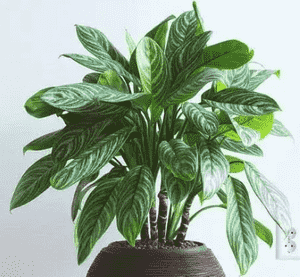
A tropical perennial prized for its ornamental leaves, Aglaonema prospers with consistent trimming to preserve its form and stimulate denser development. Essential methods involve removing yellowed or compromised foliage and shortening elongated stalks to a leaf joint with disinfected cutting tools. The most effective time for pruning is from early spring through late autumn, coinciding with its period of vigorous growth. Trimming improves both the plant's aesthetic and its health, simultaneously deterring ailments by boosting air circulation among the leaves.
What Are the Benefits of Pruning Chinese Evergreen?
What Are the Benefits of Pruning Chinese Evergreen?
Trimming chinese evergreen promotes strong development and keeps its compact, full form. Precise cuts enhance light penetration and air circulation, vital for the plant's well-being.
What Is the Best Time for Pruning Chinese Evergreen?
What Is the Best Time for Pruning Chinese Evergreen?
These periods are ideal for trimming as they coincide with chinese evergreen's active growth phase when the plant is most resilient to pruning stress. Early spring pruning removes any winter damage before new growth starts, allowing chinese evergreen to focus energy on fresh development. Late fall pruning is suitable as it prepares chinese evergreen for dormancy, without the risk of new growth being harmed by winter cold. Avoid pruning during winter when the plant is inactive or mid-summer when high temperatures can stress chinese evergreen. Pruning during peak growth seasons also ensures quick recovery and healthy regrowth for trimmed areas.
What Tools Do I Need to Prune Chinese Evergreen?
Bypass Pruners
Perfect for making clean, accurate cuts on 'chinese evergreen', bypass pruners operate like scissors, minimizing stem damage. Suitable for cutting back overgrown parts or removing damaged leaves.
Micro-Tip Snips
These small, sharp snips are excellent for delicate trimming and shaping of 'chinese evergreen'. They allow for precision when deadheading or pruning smaller stems and foliage without disturbing surrounding plant parts.
Gloves
Wearing gloves is crucial when pruning 'chinese evergreen', as they protect hands from potential skin irritation caused by sap and help maintain a firm grip on tools.
How to Prune Chinese Evergreen
Step1: Spring Pruning Preparation
Start pruning chinese evergreen in spring or early summer, which offers optimal conditions for healing and new growth. Ensure your pruning shears or scissors are clean and sharp to prevent disease and plant damage.
Step2: Yellow Leaf Identification
Identify yellow leaves on chinese evergreen. These leaves are typically older and have completed their life cycle. They can be safely removed to improve the plant's appearance and direct energy to new growth.
Step3: Proper Leaf Pruning Technique
Cut yellow leaves at the base of their stems, close to the main stalk of chinese evergreen. Make a clean, tear-free cut to avoid unnecessary stress or injury to the plant.
Step4: Withered Branch Identification
Locate withered branches on chinese evergreen, which are dead and no longer producing foliage. These branches can block light from healthier plant parts and may harbor pests or diseases.
Step5: Angle Cutting for Withered Branches
Prune withered branches where they emerge from the main stem or soil. Cut at a 45-degree angle, about 1/4 inch above a node or joint, to encourage healing and new growth.
Step6: Shaping and Aesthetic Pruning
After removing yellow leaves and withered branches, shape chinese evergreen to maintain a pleasing look. Trim any overly long stems to balance the plant's overall form, cutting just above a leaf node to promote bushier growth.
Step7: Removal and Disposal of Plant Debris
Dispose of all removed material from chinese evergreen to prevent the spread of any potential pests or diseases.
Step8: Post-Pruning Hydration
Water chinese evergreen after pruning to hydrate the plant and help it recover from the stress of trimming. Adjust your watering schedule as needed to prevent overwatering, which can lead to yellow leaves.
Step9: Post-Pruning Tool Cleaning
Clean your tools thoroughly after pruning chinese evergreen to prevent disease transmission when you next prune your plants.
Post-Pruning Care for Chinese Evergreen
Post-Pruning Care for Chinese Evergreen
After pruning, immediately water chinese evergreen to aid recovery. Keep the plant in a warm, indirectly lit area with high humidity. Avoid direct sunlight, which can stress recently trimmed foliage. Apply a half-strength balanced fertilizer monthly to replenish nutrients. Regularly check chinese evergreen for wilting or discolored leaves, indicating stress or infection. If symptoms appear, isolate the plant and consult a plant health specialist. Managing these factors helps ensure chinese evergreen's robust regrowth.
Common Pruning Mistakes with Chinese Evergreen
Stress from Over-pruning
Excessive pruning, where too much foliage is removed at once, can stress chinese evergreen and result in poor growth or plant shock.
Damage from Dull Tools
Using dull or contaminated pruning tools can harm the stems of chinese evergreen and introduce diseases.
Improper Cut Location
Pruning too close to the main stem or node can cause damage and hinder future growth, as chinese evergreen requires a gentle touch.
Ignoring Dead Foliage
Neglecting to remove yellowed or dead leaves, which can attract pests and diseases while detracting from chinese evergreen's overall health.
Common Pruning Tips for Chinese Evergreen
Use Sharp and Clean Tools
Always use sharp, clean cutting tools to make precise cuts and prevent disease transmission when pruning chinese evergreen.
Prune Damaged Leaves Only
Focus on removing only yellow, brown, or damaged leaves to maintain the aesthetic of chinese evergreen and improve its growth potential.
Trimming for Bushier Growth
Cut back stems that are too long or leggy to encourage bushier growth and maintain a pleasing shape of chinese evergreen.
Prune for Renewed Energy
Prune spent flowers and old stalks to redirect chinese evergreen's energy into new growth and potential blooms.
Limit Pruning to 30% Foliage
Avoid removing more than 30% of chinese evergreen's foliage at one time to prevent shock and ensure sustained health.



