How to Prune Common bugle?
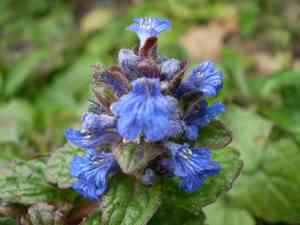
A perennial herb, Ajuga reptans flourishes in shaded environments, recognized for its spreading ground cover and azure blossoms in spring. Throughout the active growth period, remove any withered or compromised foliage to ensure plant well-being, and preserve its compact form by undertaking light trimming in the initial weeks of spring. Consistent removal of spent flowers stimulates additional flowering. The most effective time for pruning, spanning from early spring to late autumn, fosters revitalization and curbs excessive expansion. Advantages encompass improved plant robustness and a more orderly look.
What Are the Benefits of Pruning Common Bugle?
What Are the Benefits of Pruning Common Bugle?
Trimming common bugle promotes robust development and maintains a compact form, helping to manage its spread and enhance its decorative appeal.
What Is the Best Time for Pruning Common Bugle?
What Is the Best Time for Pruning Common Bugle?
These periods are ideal as early spring trimming prepares common bugle for strong growth by removing any dead or damaged foliage from winter. It allows the plant to focus energy on producing new, healthy growth as the season begins. Late fall trimming is also good as it occurs after common bugle has bloomed and its leaves have started to die back, making it easier to shape the plant and remove spent flowers to prevent self-seeding, if desired. Pruning at these times aligns with common bugle's natural growth cycle without disrupting its flowering or fruiting, thus maintaining the plant's health and beauty.
What Tools Do I Need to Prune Common Bugle?
Hand Pruners
Common bugle is a low-growing, spreading perennial, best maintained with sharp hand pruners to effectively trim back the foliage and maintain its shape without damaging the plant.
Pruning Shears
For common bugle's denser patches, pruning shears are appropriate for cutting through multiple stems with clean cuts to encourage healthy regrowth.
Gardening Gloves
Wearing gloves can protect the gardener's hands from cuts and soil-borne pathogens while handling common bugle.
Garden Scissors
Fine trimming tasks or deadheading the spent flower spikes of common bugle can be done with precision using garden scissors.
How to Prune Common Bugle
Step1: Post-flowering Seasonal Pruning
Start trimming common bugle in late spring or early summer after its blooming period has concluded. This timing allows you to remove faded flowers and prevents the plant from self-seeding if you wish to limit its spread.
Step2: Deadhead Flowers for Foliage Growth
Using clean, sharp pruning shears or scissors, carefully snip off the dead flower spikes at their base, close to the foliage. This will encourage more robust foliage growth and can potentially lead to a second blooming later in the season.
Step3: Remove Damaged Stems
Identify damaged stems that may have been caused by pests, disease, or weather. These stems may appear discolored, wilted, or broken. Prune damaged stems back to a healthy set of leaves or all the way to the ground if the entire stem is affected.
Step4: Shape Plant by Clipping Overgrowth
To reduce the spread and rejuvenate overgrown foliage, clip overgrown common bugle shoots to maintain the desired shape and size of the plant. Make cuts cleanly near the base of the overgrown sections to promote healthy regrowth.
Step5: Thinning for Air Circulation
When thinning dense areas, cut back the foliage by pruning entire stems at the base. This helps to increase air circulation and prevent issues like powdery mildew, which common bugle can be susceptible to when overcrowded.
Step6: Cleanup Pruning Debris
After pruning, clear away all cuttings from the ground around common bugle to prevent any disease from spreading and discourage pests that may be attracted to decaying plant material.
Step7: Reassess and Repeat Pruning
Assess the overall health and shape of common bugle after the initial pruning and repeat the process if necessary. Pruning should be done cautiously to avoid over-pruning, which can stress the plant.
Step8: Nourish Plant After Pruning
Water common bugle well after pruning to help the plant recover and settle back into its growth. If necessary, apply a balanced, slow-release fertilizer to provide additional nutrients for new growth.
Post-Pruning Care for Common Bugle
Post-Pruning Care for Common Bugle
Immediately after trimming common bugle, ensure sufficient water to prevent stress and aid recoveryâkeep soil moist without overwatering. Place common bugle in partial shade; direct sunlight can be harsh on freshly cut areas. Maintain common bugle in a stable environment; drastic changes in temperature and humidity can hinder healing. Post-trimming, apply a balanced, slow-release fertilizer to nourish common bugle. Monitor common bugle for discoloration or wilting, signs of disease or pests, and act with appropriate treatments. Consistent observation helps common bugle bounce back with vigorous growth.
Common Pruning Mistakes with Common Bugle
Over-pruning Harms Ground-Covering Ability
Excessive pruning which can stress common bugle and cause poor growth or reduce its vigorous spreading ability, harming its natural ground-covering qualities.
Cutting Too Close to Ground Hinders Photosynthesis
Cutting common bugle too close to the ground, failing to leave enough foliage to ensure continued photosynthesis and energy production for the plant.
Unsterilized Tools May Spread Disease
Not sterilizing pruning tools before use, risking the spread of disease to common bugle or from one plant to another.
Tearing Stems Invites Disease
Tearing or ripping stems instead of making clean cuts, which can damage common bugle's relatively soft stems and invite disease.
Indiscriminate Pruning Causes Unbalanced Growth
Pruning common bugle indiscriminately without considering the plant's growth pattern, leading to an unbalanced or lopsided appearance.
Common Pruning Tips for Common Bugle
Clean Cut with Sharp Shears for Quick Healing
Use sharp, clean shears to cut common bugle's stems, ensuring clean cuts that the plant can heal quickly from, which mitigates the risk of disease.
Thin Center for Airflow and Disease Prevention
Thin out crowding in the center of common bugle to encourage airflow and reduce the risk of fungal diseases, focusing on removing dead or weak stems.
Post-flowering Prune Stimulates Growth and Shapes Plant
Prune back common bugle after flowering to shape the plant and stimulate new growth, ensuring to leave several inches of stem with leaves for photosynthesis.
Remove Weeds to Reduce Nutrient Competition
Remove any invasive weeds that might compete with common bugle for nutrients during the pruning process, to maintain the health and vigor of the plant.
Monitor for Pests and Diseases During Pruning
Regularly check common bugle for signs of pest infestations or diseases while pruning, and promptly address any issues to prevent spread and sustain plant health.



