How to Prune Common hollyhock?
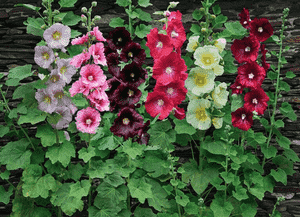
This tall floral specimen, featuring prominent, attractive blooms, flourishes optimally with judicious trimming. For Alcea rosea, the prompt elimination of spent flowers boosts subsequent blossoming, and severing stems after flowering deters unwanted self-propagation. Trimming in early spring eliminates harm from winter, while late autumn cuts ready the plant for its dormant phase. Furthermore, excising lower foliage can enhance air movement and diminish the likelihood of illness. Pruning not only sculpts Alcea rosea but also encourages more robust, abundant development.
Advantages of Trimming Common Hollyhock
Advantages of Trimming Common Hollyhock
Trimming common hollyhock promotes more robust development and abundant blossoms. It aids in maintaining the desired form and dimensions, enhancing the plant's visual appeal. Proper trimming also improves air movement, decreasing the chance of illness.
Optimal Time for Trimming Common Hollyhock
Optimal Time for Trimming Common Hollyhock
Trimming common hollyhock in early spring is recommended as it allows for the removal of any winter-damaged foliage before new growth begins, fostering healthy and vigorous development. Additionally, the plant is dormant, reducing stress and the risk of disease transmission. Late fall is also a good time to trim common hollyhock, as its flowering cycle is complete, and trimming can help prevent unnecessary energy expenditure on seed production, encouraging better growth next season. It is important to avoid trimming during wet conditions to minimize disease risk.
Tools Required for Trimming Common Hollyhock
Hand Pruners
Perfect for cutting through the relatively slender stems of common hollyhock. Sharp bypass pruners create clean cuts that heal effectively.
Gloves
Protect hands from the plant's rough leaves and potential skin irritants while trimming common hollyhock.
Long-Handled Loppers
Useful for reaching higher stems without needing a ladder, making the trimming of common hollyhock safer and more efficient.
Pruning Saw
Assists with cutting thicker, woodier stems of common hollyhock, which may be too large for hand pruners or loppers.
How to Trim Common Hollyhock
Step1: Identify Spent Flowers
Examine common hollyhock for spent flowers, marking these as the initial targets for trimming. Spent flowers are typically faded and dry.
Step2: Deadhead Faded Blooms
Using clean, sharp secateurs, snip off the spent flowers at their base. Deadheading can encourage further blooming and maintain the plantâs appearance.
Step3: Spot Damaged Stems
Look for any stems that are broken, damaged, or showing signs of weakness. These might be bent, snapped, or have visible marks.
Step4: Trim Damaged Stems
Make a clean cut to remove the damaged stems, cutting just above a healthy leaf node or bud to encourage new growth.
Step5: Detect Diseased Leaves
Inspect common hollyhock for any diseased leaves, which may have spots, discoloration, or mildew. Diseased leaves can spread infection if not removed.
Step6: Remove Diseased Foliage
Trim the diseased leaves by cutting them off at the base of the leaf stem, being careful not to touch or spread the disease to other parts of common hollyhock or other plants.
Step7: Sanitize Trimming Tools
After trimming, clean the blades of your secateurs with a solution of 1 part bleach to 9 parts water to prevent the potential spread of disease.
Step8: Dispose of Trimming Waste
Dispose of the spent flowers, damaged stems, and diseased leaves in your compost bin if they are not diseased. If diseased, discard them with household waste to prevent spreading pathogens.
Step9: Water Base Post-Trimming
Water the base of common hollyhock, avoiding overhead watering, to reduce the risk of disease spread that could occur from wet foliage, especially if common hollyhock has been trimmed to remove diseased leaves.
Step10: Mulch to Retain Moisture
Apply a thin layer of mulch around common hollyhock, avoiding direct contact with the stems, to help retain moisture and suppress weed growth.
Step11: Monitor and Deadhead Regularly
Monitor common hollyhock regularly for new growth and additional trimming needs, particularly after blooming cycles, as regular deadheading can encourage additional flowers.
Aftercare for Common Hollyhock Following Trimming
Aftercare for Common Hollyhock Following Trimming
Immediately after trimming common hollyhock, water the plant thoroughly to reduce stress. Maintain an environment with ample sunlight, consistent moisture, and temperatures between 60-90°F to foster recovery. Apply a balanced, slow-release fertilizer to replenish nutrients; avoid over-fertilization as it can harm common hollyhock. Regularly inspect for wilting, discoloration, or wounds that may signal infection. Increase airflow around common hollyhock to prevent fungal diseases. If signs of stress or infection appear, promptly treat with appropriate fungicide or pesticide and adjust care as necessary.
Common Trimming Errors with Common Hollyhock
Excessive trimming reduces flowering and plant health
Excessive trimming of common hollyhock, which can stress the plant and limit its ability to flower effectively. It's essential not to remove too much foliage, as the leaves are necessary for photosynthesis and overall health.
Improper cutting may hinder growth or cause dieback
Trimming common hollyhock at the wrong part of the stem can lead to poor flower development or damage the plant. Improper cutting above the buds or too close to the main stems may hinder new growth or cause dieback.
Dull or dirty tools can cause plant infection
Using dull or unclean tools to trim common hollyhock, which can damage the tissues and leave the plant susceptible to infection and diseases. Sharp and sterile tools are crucial for clean cuts and the plant's health.
Insufficient thinning leads to disease susceptibility
Neglecting to thin out dense areas can result in reduced air circulation around common hollyhock, leading to a higher likelihood of disease, such as rust or fungal infections.
Not removing spent blooms wastes plant's energy
Failing to remove spent blooms or dead stems from common hollyhock can lead to a messy appearance and divert the plant's energy from producing new growth and flowers.
General Trimming Advice for Common Hollyhock
Deadhead just above leaves or buds for reblooming
Using sharp, clean pruning shears, snip the stems just above a set of leaves or a bud when deadheading common hollyhock, which promotes further blooming and a tidy appearance.
Thin inner stems for better air flow and health
When thinning out common hollyhock, selectively remove some of the inner stems to improve air circulation and light penetration, which helps to minimize disease risks and stimulates strong, healthy growth.
Trim above bud for plant shape and fullness
To shape common hollyhock or control its size, trim the stems back to the desired length, ensuring cuts are made just above a healthy bud or leaf node to encourage branching and fullness.
Cut old flower stalks post-season for robust growth
After the flowering season, cut back the old flower stalks of common hollyhock to ground level to encourage healthy foliage and root development, which will support robust growth in the following season.
Remove old stems for rejuvenation and vitality
For multi-year-old common hollyhock plants, consider removing the oldest stems at the base to rejuvenate the plant, which encourages new growth from the base and enhances the overall vitality of the common hollyhock.



