How to Prune Golden trumpet?
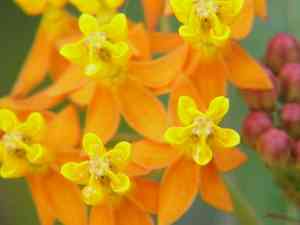
Distinguished by its bright yellow blossoms, golden trumpet requires careful trimming. Consistently pinch back the tips to foster a denser form and remove faded flowers. Execute significant cuts following the primary blooming phase—late spring or early summer—to sculpt and manage its dimensions. Trimming at this juncture facilitates recuperation and subsequent flowering. By enhancing air movement and light exposure, pruning diminishes the likelihood of disease and stimulates robust development.
What Are the Benefits of Pruning Golden Trumpet?
What Are the Benefits of Pruning Golden Trumpet?
Trimming golden trumpet promotes abundant blossoms, boosts plant health by lowering pest and disease risk, and maintains a manageable form for beauty and vigorous development.
What Is the Best Time for Pruning Golden Trumpet?
What Is the Best Time for Pruning Golden Trumpet?
These periods are ideal as they coincide with the post-flowering phase when golden trumpet experiences robust growth. Pruning in late spring allows for the removal of winter frost damage and encourages new growth that can mature and produce flowers in the current season. Early summer pruning is perfect for shaping the plant and controlling its size, as well as for deadheading to encourage more blooms. This timing avoids the stress of mid-summer heat on freshly cut stems and permits healing before the more dormant winter period. It's crucial to prune golden trumpet during this window to ensure strong health, aesthetic appeal, and prolific flowering, while also giving the plant time to establish new growth before any potential stressors in later seasons.
What Tools Do I Need to Prune Golden Trumpet?
Hand Pruners
Crucial for making accurate cuts on golden trumpet, minimizing plant stress during trimming.
Lopping Shears
Necessary for cutting thicker stems or branches that hand pruners cannot easily manage on golden trumpet.
Gardening Gloves
Protects the gardener's hands when handling golden trumpet, which may have an irritating milky sap.
Pruning Saw
Useful for removing mature, woody stems or branches of golden trumpet too large for loppers.
Rubbing Alcohol or Bleach Solution
Essential for sanitizing tools before and after pruning golden trumpet to prevent disease transmission.
How to Prune Golden Trumpet
Step1: Health Assessment and Tool Preparation
Evaluate golden trumpet's overall health and vigor before starting to prune. Ensure all pruning tools are sharp and clean to prevent introducing disease to the plant.
Step2: Remove Yellow Leaves
Begin by removing any yellowed leaves. Gently pull each yellow leaf from the stem or snip it off with pruning shears, being careful not to harm the healthy parts of golden trumpet.
Step3: Identify Withered Branches
Locate withered branches on golden trumpet. Withered branches are those that are clearly dead, show signs of decay, or lack healthy foliage.
Step4: Prune Dead Branches at 45-Degree Angle
Cut withered branches back to their base or to where they meet healthy wood. Make cuts at a 45-degree angle, approximately 1/4 inch above an outward-facing bud, to encourage outward growth.
Step5: Trim Overgrown Shoots for Shape
Look for overgrown shoots that disrupt golden trumpet's desired shape. Pinch back or cut these shoots to a bud or leaf node to promote bushier growth and maintain an attractive form.
Step6: Reshape According to Growth Pattern
When reshaping golden trumpet, follow its natural growth pattern and avoid excessive pruning, which can stress the plant and reduce its flowering capacity.
Step7: Dispose of Pruning Debris
Clear away all cuttings and debris from around golden trumpet to prevent the spread of disease or pests that might be present on the fallen material.
Step8: Fertilize after Pruning
After pruning golden trumpet, consider applying a balanced fertilizer to support recovery and new growth, following the manufacturer's guidelines.
Step9: Monitor Post-Pruning Health
Regularly observe golden trumpet after pruning for signs of stress or pest infestations, and address any issues promptly to maintain the plant's health.
Step10: Annual Pruning Schedule
Plan to prune golden trumpet annually or as needed to manage size, remove dead material, and enhance its flowering potential.
Post-Pruning Care for Golden Trumpet
Post-Pruning Care for Golden Trumpet
Immediately after pruning golden trumpet, ensure it's placed in a well-lit area away from direct, harsh sunlight. Maintain high humidity and a stable temperature between 60-75°F to aid recovery. A properly diluted balanced fertilizer should be applied to support new growth. Regularly inspect for wilting, discoloration, or signs of infection. If stress is evident, adjust care conditions and isolate to prevent disease spread. Maintain consistent moisture, confirming the soil is well-draining to prevent root rot.
Common Pruning Mistakes with Golden Trumpet
Excessive pruning stress
Over-pruning golden trumpet can lead to fewer flowers and a weaker plant, as cutting too much can stress the plant and hinder its ability to photosynthesize adequately.
Spreading disease with unsterilized tools
Pruning golden trumpet without sterilizing tools can introduce diseases. Using dirty shears can transmit pathogens from infected plants to healthy ones.
Ignoring dead or diseased limbs
Neglecting to remove dead or diseased limbs can compromise golden trumpet's health. Failing to cut away these parts can allow diseases and pests to establish, affecting the plant's overall vitality.
Common Pruning Tips for Golden Trumpet
Sharp, clean cuts for plant health
Use sharp and clean pruning shears to make precise cuts on golden trumpet. This promotes quick healing of cut surfaces and reduces the risk of disease.
Improve airflow with open center pruning
When pruning golden trumpet, aim to create an open center by removing inward-growing branches. This enhances airflow, which is crucial for reducing fungal infections and promoting healthy growth.
Prune leggy stems for shape and fullness
Encourage the desired shape and fuller growth of golden trumpet by selectively pruning leggy stems. This directs the plant's energy into producing more lateral growth and flowers.
Remove competing branches to prevent damage
Identify and remove any competing or crossing branches on golden trumpet to prevent wounds that can become entry points for pests and diseases.
Post-flowering light pruning for new blooms
After flowering, lightly prune golden trumpet to stimulate new growth and more bloom production. Target the tips and just above leaf nodes to encourage branching.



