How to Prune Broadleaf wild leek?
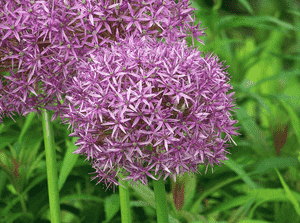
This perennial plant, characterized by its bulbous base, is recognized for its palatable, elongated stems and flattened foliage. To ensure optimal well-being and yield, remove any yellowed or deceased leaves from broadleaf wild leek to stimulate the development of its bulbs. The most suitable period for this trimming is from early spring to late summer, aligning with the plant's active growth cycle. Consistent removal of spent parts inhibits seed production, thereby promoting renewed growth. Sterilize your cutting tools to prevent the transmission of pathogens. The advantages of pruning encompass improved vitality, superior harvest quality, and regulated expansion within garden spaces.
Advantages of Trimming Broadleaf Wild Leek
Advantages of Trimming Broadleaf Wild Leek
Trimming broadleaf wild leek promotes robust growth and manages its size, fostering a lush, well-structured look for optimal garden appeal.
Optimal Time for Trimming Broadleaf Wild Leek
Optimal Time for Trimming Broadleaf Wild Leek
Early spring trimming encourages strong development for broadleaf wild leek by removing dead or damaged foliage after winter dormancy. This timing allows the plant to channel energy into new, healthy growth with spring's arrival. Late summer trimming benefits broadleaf wild leek by enabling the removal of seed heads and preventing self-sowing, which can lead to overpopulation. Additionally, it prepares broadleaf wild leek for winter by eliminating parts that might harbor pests or diseases. Trimming during this period also minimizes stress on broadleaf wild leek, as it occurs after the main growth and flowering phase, ensuring the plant's resilience and vigor for the subsequent growing season.
Tools Required for Trimming Broadleaf Wild Leek
Sharp Scissors or Snips
For broadleaf wild leek, cutting tools must be precise to make clean cuts on the thinner, chive-like foliage, encouraging healthy regrowth and preventing harm to the plant's structure.
Hand Pruners
Perfect for selectively harvesting or removing thicker flower stalks and leaves. Their design offers the leverage needed for cutting without damaging adjacent stems.
Shears
Useful for trimming larger clusters of broadleaf wild leek when shaping the plant or cutting back extensively at the end of the growing season.
Long-Handled Loppers
Suitable for reaching into densely grown areas where broadleaf wild leek might be harder to access with shorter tools, allowing for careful trimming without disturbing surrounding plants.
How to Trim Broadleaf Wild Leek
Step1: Identifying Damaged Plant Parts
Locate withered leaves and dead stems on broadleaf wild leek. These typically appear yellow, brown, or have a dry, brittle texture compared to the plant's healthy green sections.
Step2: Tool Disinfection
Sanitize your pruning shears or scissors before starting to prevent disease transmission. Wipe the blades with a cloth soaked in isopropyl alcohol.
Step3: Trimming Withered Leaves
For withered leaves, cut at the leaf's base where it emerges from the main plant or slightly above the point where the leaf's color changes from unhealthy to healthy. Use a clean, sharp cut to avoid damaging the remaining healthy parts.
Step4: Removing Dead Stems
Remove dead stems by cutting them down to the plant's base, just above soil level or at their origin point from the main stem. Make the cut at a 45-degree angle to promote healing and water runoff.
Step5: Debris Disposal
After trimming withered leaves and dead stems, gather and discard the cuttings to prevent disease and pests from being drawn to the decaying plant material.
Step6: Post-Trimming Care
Lightly water broadleaf wild leek if the soil is dry before applying a thin layer of mulch around the base to help retain moisture and deter weed growth.
Step7: Tool Sterilization
Sterilize your trimming tools again after finishing to avoid transferring any potential pathogens to other plants or to broadleaf wild leek in future trimmings.
Step8: Growth Monitoring
Observe broadleaf wild leek for a few weeks after trimming for signs of new growth. Healthy broadleaf wild leek should respond with fresh foliage emerging from the trimmed areas or from the plant's base.
Aftercare for Broadleaf Wild Leek Post-Trimming
Aftercare for Broadleaf Wild Leek Post-Trimming
Immediately after trimming broadleaf wild leek, water the plant thoroughly to lessen transplant shock. Place broadleaf wild leek in an area with partial sunlight to aid healing while avoiding intense light stress. Maintain consistent humidity and temperature as drastic changes can hinder recovery. Fertilize with a balanced, slow-release formula to assist regeneration, and avoid over-fertilization which can harm delicate new growth. Regularly check broadleaf wild leek for signs of distress such as wilting or discoloration, and inspect pruning sites for infection. If symptoms appear, treat promptly with an appropriate fungicide or pest control method.
Common Trimming Errors with Broadleaf Wild Leek
Excessive Trimming Reduces Photosynthesis
Over-trimming can weaken broadleaf wild leek and diminish its ability to photosynthesize effectively.
Avoid Cutting Too Close to Bulbs
Trimming too close to the bulb, potentially damaging it and making the plant vulnerable to diseases.
Indiscriminate Removal of Healthy Leaves Impairs Growth
Removing healthy leaves without discretion, believing it will encourage more growth, when in reality it can stress broadleaf wild leek and hinder its development.
Use Sterilized Tools to Prevent Disease
Failing to use clean, sterilized trimming tools, which can spread pathogens and cause infections in the cuts.
General Trimming Advice for Broadleaf Wild Leek
Make Clean Cuts with Sharp Shears
Utilize sharp, clean shears to make precise cuts and minimize harm to broadleaf wild leek.
Trim Only Yellowing or Dead Foliage
Only trim yellowing or dead foliage to promote proper airflow and direct the plant's energy towards healthy growth.
Cut Back Flower Stalks Post-Bloom for Energy Conservation
Cut back flower stalks after blooming, unless seed propagation is desired, to redirect energy back into bulb and leaf growth.
Remove Diseased Leaves to Halt Spread
Immediately remove any leaves showing signs of disease or pest infestation to prevent spread to other parts of the plant or garden.



