How to Prune Prince's feather?
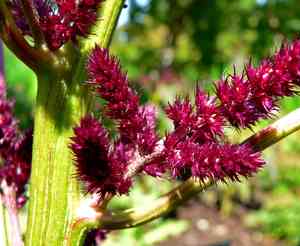
Distinguished by its vivid, upright flower spikes, prince's feather is an impressive annual. Trim for form, dimensions, and to eliminate faded blossoms, fostering denser development and additional flowers. The most suitable times for pruning are during spring and summer, with minor cuts in autumn. Always make cuts above leaf junctions at a 45-degree incline to facilitate swift recovery. Advantages of trimming encompass visual appeal, plant well-being, and potentially extended flowering. These practices are crucial for preserving the decorative worth of prince's feather, thereby improving garden presentations.
What Are the Benefits of Pruning Prince's Feather?
What Are the Benefits of Pruning Prince's Feather?
Trimming prince's feather promotes robust development and maintains its desired shape. It encourages new shoots, ensuring the plant remains healthy and aesthetically pleasing. Strategic cuts help manage size and foster a denser appearance.
What Is the Best Time for Pruning Prince's Feather?
What Is the Best Time for Pruning Prince's Feather?
Trimming prince's feather in Spring aligns with the preparation for the new growth cycle as the risk of frost has passed and the plant is beginning to actively grow. This helps in shaping the plant and encouraging bushier growth. Early Summer pruning ensures that prince's feather can recover quickly during its active growth phase and can be beneficial for managing size and removing any spent flowers to possibly stimulate a new flush of blooms. Late Fall pruning, after the plant has finished flowering and before the onset of winter, allows the removal of dead or diseased foliage and helps to prevent potential fungal problems during the colder and wetter months. These seasons are considered optimal for pruning because they are aligned with prince's feather's natural growth cycle and energy reserves, which aids in quicker healing of cuts, maintains the plant's health and vigor, and ensures that pruning activities do not interfere with the flowering or seed production periods of the plant.
What Tools Do I Need to Prune Prince's Feather?
Hand Pruners
Given prince's feather's relatively soft stems, sharp hand pruners are perfect for making clean cuts without harming plant tissues. They allow for precise trimming and shaping.
Thinning Shears
Thinning shears are suitable for selectively removing some of prince's feather's stems to increase air circulation and light penetration throughout the plant. This can help in managing its dense growth habit.
Gardening Gloves
Though not a cutting tool, gardening gloves are crucial for protecting hands from potential irritation when handling prince's feather, which may have coarse leaves or stems.
Garden Scissors
If minor trimming of leaves or small stems is needed, garden scissors offer control and ease of use. They are also suitable for harvest if seeds are desired.
How to Prune Prince's Feather
Clean Tools
Before starting, clean and sterilize your pruning shears to prevent the spread of disease.
Inspect
Examine prince's feather thoroughly to identify all withered leaves that require removal.
Cut Withered Leaves
Using your pruning shears, cut the withered leaves at the base where they meet the stem, ensuring a clean cut to facilitate healing.
Dispose
Carefully dispose of the withered leaves to prevent the potential spread of disease or pests.
Monitor
Monitor prince's feather for new growth and additional withered leaves, repeating the pruning process as necessary.
Common Pruning Mistakes with Prince's Feather
Overpruning
Removing too much foliage from prince's feather can weaken the plant, reducing its vigor and ability to photosynthesize effectively.
Imprecise Cuts
Cutting prince's feather arbitrarily or with dull tools can cause unnecessary damage and increase the risk of disease.
Pruning For Wrong Reasons
Pruning prince's feather with the intent to radically control size or shape can compromise its natural growth and flowering patterns.
Neglecting Plant Health
Failing to remove dead or diseased growth from prince's feather can allow problems to spread and affect the plant's overall health.
Ignoring Growth Pattern
Not considering prince's feather's growth habit can lead to a loss of the plant's natural form and potential reduced flowering.
Common Pruning Tips for Prince's Feather
Use Sharp Tools
Employ sharp, clean pruning shears to make clean cuts on prince's feather which can help prevent disease and minimize stress.
Prune Selectively
Choose selective branches to prune to maintain prince's feather's natural shape and improve air circulation.
Remove Dead Or Diseased Stems
Regularly check and remove any dead, damaged, or diseased stems to promote prince's feather's health and growth.
Prune For Rejuvenation
Lightly prune prince's feather to encourage bushier growth and more blooms, but avoid heavy pruning which can stress the plant.
Timing With Growth Phases
Prune prince's feather in accordance with its active growing phases to promote quick recovery and optimum health, without specifying the seasons.



