How to Prune Belladonna lily?
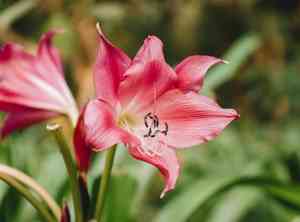
Celebrated for its aromatic, trumpet-like blossoms and elongated foliage, the belladonna lily thrives with meticulous trimming to preserve its appearance and vitality. Following the flowering period, sever the faded flower stems near their origin. During early spring or late autumn, cut back any compromised or infected leaves down to the ground. Consistent pruning stimulates robust development and improves the floral display. Proper elimination of plant material is essential to avert the dissemination of pathogens, thereby safeguarding the belladonna lily's lifespan and bloom excellence.
What Are the Benefits of Pruning Belladonna Lily?
What Are the Benefits of Pruning Belladonna Lily?
Trimming belladonna lily promotes abundant blossoms, stimulates vigorous development, and maintains a compact, attractive form. Through selective cutting, gardeners enhance the plantâs health and visual appeal.
What Is the Best Time for Pruning Belladonna Lily?
What Is the Best Time for Pruning Belladonna Lily?
In early spring, as belladonna lily emerges from dormancy, it's ideal to remove any damaged or diseased leaves from the prior year without harming new growth. Late fall pruning is suitable after belladonna lily has finished blooming and its leaves have withered, allowing for shaping and removal of spent flower stalks. This timing aligns with the plant's growth cycle, ensuring energy is conserved for the next flowering period and overall plant health is maintained. Pruning outside these seasons could disrupt belladonna lily's growth and flowering, potentially reducing its vigor and bloom potential.
What Tools Do I Need to Prune Belladonna Lily?
Sharp Bypass Pruners
Bypass pruners are effective for cutting back spent flower stalks on belladonna lily without harming surrounding foliage or the bulb. Their sharp, scissor-like action ensures clean cuts that heal rapidly.
Long-Handled Loppers
For larger or tougher stems that may occasionally appear on belladonna lily, long-handled loppers offer extra leverage and reach, ensuring a cleaner cut without straining the gardener's hand.
Garden Gloves
Gloves protect the gardenerâs hands from potential skin irritants on belladonna lily and from sharp edges during pruning.
Pruning Saw
A small pruning saw might be necessary for older, woodier belladonna lily stems that are too thick for pruners or loppers.
Disinfectant
Cleaning tools with disinfectant before and after pruning belladonna lily helps prevent disease transmission between plants.
Garden Shears
For shaping and maintaining belladonna lily foliage, especially when overgrown, sharp garden shears allow for quick and even trimming.
How to Prune Belladonna Lily
Step1: Timing for Post-Bloom Pruning
Determine the correct time for pruning belladonna lily, which is shortly after flowers fade, typically in late summer or early autumn.
Step2: Gather Proper Pruning Tools
Collect pruning tools such as sharp, clean scissors or secateurs to ensure precise cuts and minimize disease risk.
Step3: Deadhead Spent Flowers
Begin pruning belladonna lily by removing faded flowers. Cut flower stalks just above the bulb's neck, being careful not to damage foliage or emerging new growth.
Step4: Remove Formed Seed Pods
Remove any seed pods that may have developed after flowering. Cut the stem holding the seed pod at its base near the main plant, taking care not to cut into the bulb or new shoots.
Step5: Trim Yellowed or Dead Foliage
Prune dead foliage by cutting leaves back to the base if they have yellowed and detach easily. If foliage resists, it may not be fully dormant, so leave it until it naturally withers.
Step6: Cut Away Damaged or Diseased Leaves
Prune any damaged or diseased foliage to prevent disease spread. Make clean cuts to remove unhealthy parts, disposing of them properly and away from healthy plants.
Step7: Clean Plant Debris to Deter Pests
Clear all debris from around the plant after pruning to discourage pests and diseases.
Step8: Reduce Watering After Pruning
Water belladonna lily sparingly after pruning as the plant will enter dormancy. Resume normal watering when new growth appears in the next growing season.
Step9: Disinfect Tools Post-Pruning
Sanitize your pruning tools after the process to prevent the spread of any potential diseases to other plants.
Post-Pruning Care for Belladonna Lily
Post-Pruning Care for Belladonna Lily
Immediately after pruning belladonna lily, sterilize cuts to prevent infections. Ensure belladonna lily receives bright, indirect light, maintaining 40-50% humidity and 68-70°F temperature. Begin a balanced fertilizer regimen six weeks post-pruning to support regrowth. Monitor for wilting or discolored foliage, which may indicate stress or disease. If symptoms appear, adjust care or consult an expert.
Common Pruning Mistakes with Belladonna Lily
Overzealous Pruning Reduces Photosynthesis and Energy
Pruning belladonna lily too aggressively, removing excessive foliage, can stress the plant and potentially diminish its ability to photosynthesize and store energy for the next growing season.
Basal Plate Damage Inhibits New Growth
Cutting into the basal plate of belladonna lily, where new growth originates, can harm the plant and impede future development.
Premature Green Leaf Removal Impairs Energy Storage
Removing green leaves immediately after flowering prevents belladonna lily from storing sufficient energy in its bulbs for the subsequent seasonâs growth and bloom.
Dull Pruning Tools Increase Disease Susceptibility
Not using clean, sharp pruning tools can result in jagged cuts that are more vulnerable to diseases and pests.
Wet Foliage Pruning Promotes Disease Spread
Pruning belladonna lily when its foliage is wet increases the risk of spreading diseases such as fungal infections.
Common Pruning Tips for Belladonna Lily
Remove Spent Stalks to Aid Bulb Energy Storage
Remove only the spent flower stalks of belladonna lily close to the base without affecting the foliage, as they will not rebloom and removing them can help prevent seed formation which diverts energy from bulb development.
Let Leaves Die Back Naturally After Flowering
Allow belladonna lily leaves to die back naturally; they continue to photosynthesize and help replenish the bulb's energy reserves after flowering has concluded.
Use Clean, Sharp Tools for Healthy Cuts
Clean and sharpen pruning tools before working on belladonna lily to ensure precise cuts that heal quickly, reducing disease risk.
Dispose of Trimmings to Prevent Disease and Pests
Dispose of any trimmings from belladonna lily to prevent diseases and pests from harboring in plant debris.
Make Precise Cuts on Flowering Stalks to Protect New Growth
Ensure that clean cuts are made on the flowering stalks to prevent damage to the emerging new growth of belladonna lily.



