How to Prune Canadian serviceberry?
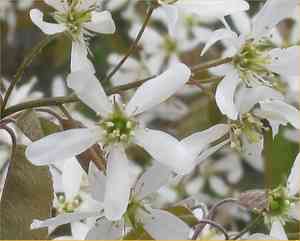
The canadian serviceberry, a deciduous plant indigenous to North America recognized for its dainty white blossoms and palatable fruit, thrives with consistent trimming. Essential methods involve reducing dense branches and eliminating deceased or ailing wood. The ideal period for pruning is from late winter to early spring, precisely before new development commences. Pruning while the plant is dormant reduces the spread of diseases and encourages robust spring development. Particular aspects for canadian serviceberry encompass improving air movement and preserving an open, vase-like form to aid in fruit yield.
What Are the Benefits of Pruning Canadian Serviceberry?
What Are the Benefits of Pruning Canadian Serviceberry?
Trimming canadian serviceberry promotes robust development and assists in preserving its desired form. This selective cutting process can stimulate fresh, healthy growth while creating a more appealing outline for the plant.
What Is the Best Time for Pruning Canadian Serviceberry?
What Is the Best Time for Pruning Canadian Serviceberry?
Pruning canadian serviceberry in late winter or early spring is beneficial because the plant remains dormant, reducing stress and the likelihood of disease. This timing also allows gardeners to easily shape the plant and remove any damaged or diseased wood before canadian serviceberry begins its rapid spring growth. Additionally, pruning before canadian serviceberry flowers maintains the plant's natural form and ensures that the upcoming season's blooms and fruit are not accidentally removed, which can occur if pruned too late in the season.
What Tools Do I Need to Prune Canadian Serviceberry?
Hand Pruners
For precise trimming of small branches and twigs on canadian serviceberry, sharp, bypass hand pruners are ideal. They enable clean cuts that encourage healthy regrowth and minimize harm to plant tissues.
Loppers
Loppers are necessary for cutting thicker branches up to 1.5 inches in diameter on canadian serviceberry. Bypass loppers are preferred over anvil types for their ability to make cleaner cuts.
Pruning Saw
For branches exceeding 1.5 inches, a pruning saw with a curved blade is essential to cut through the wood of canadian serviceberry without causing splintering or undue stress on the plant.
Hedge Shears
If canadian serviceberry is grown as a hedge or needs shaping, hedge shears can be used for evenly trimming foliage and smaller stems. They should only be used for soft growth, not woodier stems.
Pole Pruner
For reaching higher branches on canadian serviceberry, a pole pruner or telescoping pruning stick may be needed. This is especially useful for trimming without a ladder and ensuring gardener safety.
Gloves and Safety Glasses
To protect hands and eyes during the pruning process of canadian serviceberry, a good pair of gloves and safety glasses are crucial tools to prevent scratches and injury from flying debris.
How to Prune Canadian Serviceberry
Step1: Health and Structure Assessment
Evaluate the overall health and structure of canadian serviceberry before pruning. This step is vital for identifying what needs to be removed for the plant's well-being and appearance.
Step2: Tool Sterilization
Sterilize your pruning tools using a solution of 1 part bleach to 9 parts water to prevent disease spread. Clean tools are especially important when cutting away diseased branches.
Step3: Removal of Dead Wood
Prune dead wood by locating branches that lack green, flexible tissue. Use sharp, clean pruning shears or a saw for thicker branches, making cuts at a 45-degree angle about 1/4 inch above a healthy bud or branch junction.
Step4: Diseased Branch Excision
Carefully remove diseased branches, ensuring not to spread pathogens to healthy parts of canadian serviceberry. Cut the diseased branch 6 to 12 inches into healthy tissue to ensure the infection is completely removed.
Step5: Broken Branch Trimming
Identify and trim broken branches, which can serve as entry points for pests and diseases. Prune these branches back to the nearest healthy bud or branch junction without leaving any stubs.
Step6: Thinning for Light and Air
Thin out canadian serviceberry for light penetration and air circulation if necessary. Remove select interior branches using thinning cuts, which involve cutting the branch at its base where it meets the larger branch or trunk.
Step7: Desired Shaping and Heading
Shape canadian serviceberry as desired. Perform heading cuts, which shorten branches, to encourage bushier growth if required. Make these cuts just above outward facing buds or branches.
Step8: Post-Pruning Clean-Up
After pruning, clean up all debris from around canadian serviceberry to prevent any fungal diseases or pests harboring in the dead material from affecting the plant in the future.
Step9: Watering Post-Pruning
Water canadian serviceberry well after pruning to support recovery, but be careful not to overwater. This will help the plant heal from the pruning cuts and encourage new growth.
Step10: Recovery Monitoring and Support
Monitor canadian serviceberry for signs of recovery and growth over the following weeks, and provide support like staking if larger branches were removed and the plant needs assistance maintaining its shape.
Post-Pruning Care for Canadian Serviceberry
Post-Pruning Care for Canadian Serviceberry
After pruning canadian serviceberry, ensure immediate wound care by applying a suitable sealant to prevent infection. Manage environmental conditions, maintaining adequate moisture without waterlogging and providing partial to full sunlight exposure. Adjust temperatures to mimic canadian serviceberry's native climate if indoors. Post-pruning, apply a balanced, slow-release fertilizer to support canadian serviceberry's recovery and growth. Regularly inspect for signs of stress, like discoloration or wilting, and for infections, treating promptly with fungicides if needed. Monitor growth to ensure healthy regeneration.
Common Pruning Mistakes with Canadian Serviceberry
Using Dull or Unclean Pruning Tools
A frequent error is using dull or unclean pruning tools, which can harm the branches of canadian serviceberry or introduce diseases.
Over-pruning Foliage in One Session
Another mistake is removing too much foliage at once, which can stress canadian serviceberry and reduce its overall vigor and flowering potential.
Improper Cutting Technique Near Trunk
A further error is cutting branches flush against the trunk, which can create larger wounds and impede the plant's natural healing process.
Incorrect Thinning Affecting Plant's Shape
Some gardeners improperly thin out the center, neglecting the natural shape and density that canadian serviceberry needs to maintain optimal health and appearance.
Not Removing Dead or Damaged Wood Timely
Failing to remove dead, diseased, or damaged wood promptly, which can lead to further decay and compromise the structural integrity of canadian serviceberry.
Common Pruning Tips for Canadian Serviceberry
Precision Pruning with Sharp, Clean Tools
Use sharp, clean pruning tools to make precise cuts and minimize stress and damage to canadian serviceberry.
Gradual Pruning to Preserve Canopy Health
Prune incrementally, removing no more than 1/3 of the total canopy in a single season to maintain the health and structure of canadian serviceberry.
Strategic Angle Cutting Above Outward Buds
When removing branches, cut at a slight angle above an outward-facing bud to encourage proper new growth direction while avoiding too close cuts that can damage the trunk or parent branch.
Gentle Interior Thinning for Disease Prevention
Thin out the interior of canadian serviceberry gently to allow light and air to penetrate the canopy, which helps prevent disease and encourages more prolific blooming.
Prompt Removal of Dead or Diseased Branches
Identify and remove all dead, diseased, or broken branches as they are noticed to keep canadian serviceberry healthy and prevent the spread of disease.



