How to Prune Leadplant?
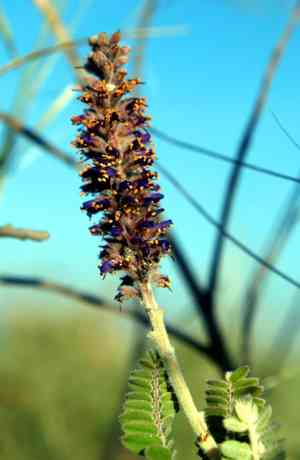
This leaf-shedding bush, recognized for its silvery-grey leaves and vivid violet blossoms, flourishes in environments ranging from full sunlight to partial shade. For leadplant, trim back aged stalks from late spring to early summer to stimulate fresh development. Reducing congested branches enhances air movement, which is crucial for the plant's well-being. Trimming encourages thicker foliage and more abundant flowers, while preserving its inherent, rounded form. Eliminating up to one-third of older branches each year is advantageous, but refrain from excessive cutting to safeguard the following year's buds.
What Are the Benefits of Pruning Leadplant?
What Are the Benefits of Pruning Leadplant?
Trimming leadplant encourages new development, leading to abundant blossoms. It also eliminates diseased branches, helping leadplant resist pests and illnesses more effectively, which contributes to a healthier and more robust plant.
What Is the Best Time for Pruning Leadplant?
What Is the Best Time for Pruning Leadplant?
Pruning leadplant during late spring or early summer aligns with the end of its dormant period and just before its active growth phase. This timing allows leadplant to recover quickly from pruning stress and promotes healthier new growth. Additionally, since leadplant's bloom cycle typically occurs in mid-summer, late spring pruning helps avoid cutting off developing flower buds, ensuring optimal flowering. Early summer pruning, shortly after flowering, can be beneficial for shaping the plant or managing its size without significantly impacting next year's blossoms. Pruning during these seasons fosters vigorous growth and maintains the natural form of leadplant, while also minimizing the risk of disease or pest infestation that can occur in more vulnerable periods.
What Tools Do I Need to Prune Leadplant?
Hand Pruners
These are perfect for cutting stems and smaller branches up to 3/4 inch in diameter. Leadplant is a shrub that may develop woody stems, so hand pruners are essential for routine thinning and shaping.
Loppers
For larger stems that hand pruners cannot manage, typically exceeding 3/4 inches in diameter, loppers will provide the extra leverage needed to make clean cuts without harming leadplant.
Pruning Saw
For mature leadplant shrubs with significantly thicker branches, a pruning saw is suitable for removing large limbs cleanly and efficiently.
Shears
Leadplant can benefit from shaping after the flowering season; hedge shears are useful for trimming and shaping the foliage, promoting bushier growth.
Gloves
To protect hands from scratches and improve grip, gloves are crucial when pruning leadplant.
Garden Sanitizer
To prevent the spread of disease between plants, clean the cutting blades with a garden sanitizer before moving on to prune another leadplant or different plants.
How to Prune Leadplant
Sanitize Tools
Before pruning leadplant, clean and sterilize all pruning tools to prevent the spread of disease. Use a solution of 1 part bleach to 9 parts water or rubbing alcohol to disinfect the blades after each cut, especially when removing diseased material.
Remove Diseased And Dead Material
Carefully inspect leadplant for diseased leaves, dead branches, and diseased branches. Gently cut these parts at their base without tearing, using sharp pruning shears for leaves and branches that are thinner, and loppers or a saw for thicker branches. Make clean cuts to facilitate quick healing.
Thin Excessive Growth
Identify branches with excessive growth, which can be removed to improve air circulation and light penetration within leadplant's canopy. Prune these branches where they join a main stem or another branch, making sure not to leave stubs.
Shape And Clean
Remove withered leaves and flowers by cutting them back to the base of the stem to maintain leadplant's appearance and encourage healthy new growth. Avoid over-pruning; leave enough foliage to sustain the plant's health.
Dispose Of Trimmed Material
Dispose of all removed material, especially diseased and dead leaves and branches, in a manner that prevents the spread of any potential pathogens. Do not compost diseased plant material.
Common Pruning Mistakes with Leadplant
Overpruning
Removing too much foliage from leadplant at once can shock the plant, disrupting its natural growth and weakening its resilience against pests and diseases.
Improper Cutting
Incorrect cutting techniques, such as tearing or leaving jagged edges, can damage leadplant's branches and create openings for disease.
Neglecting Health
Pruning without first assessing the plant's health may lead to the inadvertent removal of healthy growth rather than targeting dead, diseased, or damaged stems.
Pruning Into Woody Older Growth
Cutting back into the old woody stems can harm leadplant, as it may not resprout from older wood. This can result in poor regrowth and a compromised structure.
Common Pruning Tips for Leadplant
Healthy Growth Removal
Focus on removing only the dead, diseased, or damaged stems to promote leadplant's health and vigor, preserving as much of the healthy growth as possible.
Clean Tools
Ensure pruning tools are clean and sharp to make precise cuts, which heal faster and minimize the risk of introducing disease to leadplant.
Shape And Structure
Prune leadplant to maintain its natural shape, aiming to create an open structure which allows light and air to penetrate the center of the plant for increased vigor and bloom production.
Post Bloom Pruning
Trim leadplant lightly after blooming if shaping is necessary, minimally impacting the plant's natural growth cycle. This timing helps ensure vibrant blooms for the following season.



