How to Prune Pearly everlasting?
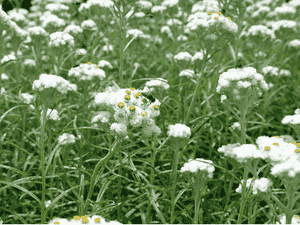
Recognized for its fluffy, white floral groupings, pearly everlasting flourishes with limited trimming to eliminate faded blossoms and preserve its form. Optimal trimming takes place in the spring and summer, coinciding with periods of vigorous development. Removing spent flowers boosts blooming, while gentle shaping deters elongated stems. Infrequent pruning, specifically just above leaf junctions, encourages robust, compact growth. This upkeep additionally prevents self-propagation, managing its dissemination throughout the garden.
What Are the Benefits of Pruning Pearly Everlasting?
What Are the Benefits of Pruning Pearly Everlasting?
Trimming pearly everlasting promotes vitality and maintains its compact shape. Strategic cutting back manages size, encourages dense development, and revitalizes older specimens, ensuring an attractive and robust plant.
What Is the Best Time for Pruning Pearly Everlasting?
What Is the Best Time for Pruning Pearly Everlasting?
Pruning or trimming pearly everlasting during Spring or early Summer coincides with the start of its active growth phase. This timing allows the plant to recover quickly and channel energy into developing new shoots and foliage. Pruning before new growth emerges ensures the plant retains a desired shape and size, fostering healthier, more vigorous plants. Early-season pruning is also advantageous as it minimizes the risk of disease transmission; many plant pathogens are less active during these cooler months. Additionally, by trimming pearly everlasting at this time, gardeners can remove any potential winter damage and encourage a flush of fresh growth, which can lead to improved blooming in the subsequent season. It is crucial to avoid late Summer or Fall pruning, as this can stimulate new growth that may not have sufficient time to harden off before cold weather arrives, increasing the risk of frost damage.
What Tools Do I Need to Prune Pearly Everlasting?
Bypass hand pruners
These are perfect for making clean cuts on pearly everlasting's stems, which is crucial for maintaining plant health and stimulating growth. Bypass pruners operate like scissors, with two blades passing each other to create a precise cut. They are especially useful for cutting back dead or spent flowers and for shaping the plant during the growing season.
Gardening gloves
Wearing gloves is important while pruning pearly everlasting to protect hands from scratches and potential skin irritation. This is a basic protective measure for gardeners when handling any plant material.
Garden shears
For trimming larger areas or shaping the overall form of pearly everlasting, garden shears are effective. These are useful when there is a need to prune multiple stems at once or when managing the shape of the plant as it matures.
Pruning saw
This tool may be necessary for cutting through larger, woodier stems that may develop on mature pearly everlasting plants. A pruning saw can handle thicker stems that bypass pruners or shears cannot easily cut.
How to Prune Pearly Everlasting
Disinfect
Before starting, clean and sanitize pruning tools to prevent the spread of diseases to pearly everlasting.
Deadhead
Carefully snip off faded flowers at the stem just below the flower head to encourage new blooms and a neat appearance for pearly everlasting.
Remove leaves
Remove withered leaves by gently plucking them off or using pruning shears if they do not come away easily, to improve air circulation and overall health of pearly everlasting.
Trim stems
Cut back damaged stems to a healthy set of leaves or buds, ensuring clean cuts that promote good healing and prevent damage to pearly everlasting.
Cleanup
Gather and dispose of all the removed plant debris to maintain cleanliness and deter pests around pearly everlasting.
Common Pruning Mistakes with Pearly Everlasting
Overpruning
Removing too much foliage at once can stress pearly everlasting, potentially leading to reduced vigor or even plant death.
Improper cut locations
Making cuts too far from the nodes can leave unsightly stubs and increase the risk of disease entry.
Use of blunt tools
Using dull pruning tools can cause jagged cuts, harming pearly everlasting and impeding recovery.
Cutting into old wood
Pearly everlasting may not regenerate well from old wood, so cutting it back too far can prevent new growth.
Neglecting disease prevention
Failing to sterilize tools between cuts can spread disease among pearly everlasting plants.
Random pruning
Pruning without a strategy can lead to uneven growth and a lack of flowering sites.
Common Pruning Tips for Pearly Everlasting
Disinfect pruning tools
Clean and sterilize pruning tools before use to prevent the spread of diseases.
Prune for shape
Gently shape pearly everlasting by strategically removing straggly or misplaced stems to maintain an attractive, balanced form.
Encourage bushiness
Pinch back tips of new growth during the growing season to promote a bushier plant.
Thin out
Thin out dense areas to increase air circulation and light penetration, which can help to reduce the risk of fungal diseases.
Deadheading
Remove spent flowers to encourage pearly everlasting to produce more blooms and prevent unwanted self-seeding.
Healthy growth focusing
Focus on removing only dead, damaged, or diseased stems to maintain the health and vigor of pearly everlasting.
Follow plant contours
Make cuts that follow the natural growth contours of pearly everlasting, avoiding harsh angles that don't complement the plant's shape.



