How to Prune Big Bluestem?
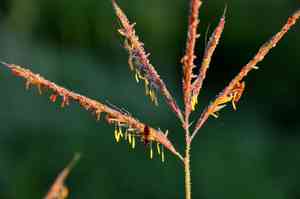
Big Bluestem, a towering perennial grass that flourishes in warm seasons, prospers in grasslands and expansive spaces. Trim big Bluestem in the initial part of spring or the latter part of winter, prior to the emergence of new foliage. Reduce the entire plant to a stature of roughly 2-3 inches to stimulate new, robust stems and preserve an appealing shape. Trimming manages its dimensions, hinders self-propagation, and fosters energetic development. Discard the trimmed material to discourage insects and illnesses. Strategic pruning guarantees a thick, vibrant look throughout the cultivation period.
Advantages of Trimming Big Bluestem
Advantages of Trimming Big Bluestem
Trimming big Bluestem encourages more robust, vigorous development and helps preserve its intended shape, enhancing its inherent beauty and usefulness in the landscape.
Optimal Period for Trimming Big Bluestem
Optimal Period for Trimming Big Bluestem
Trimming big Bluestem from late winter to early spring is ideal as this timeframe immediately precedes the start of the growing season, allowing the plant to direct its energy towards new growth. Since big Bluestem is a warm-season grass that begins growing in late spring, pruning within the suggested window prevents the removal of active growth or seed heads, which are vital for the plant's reproduction and health. Furthermore, this timing avoids the stress that can result from pruning during the summer heat or its active growth phase. Winter trimming can also help eliminate dead or damaged foliage from the previous season, fostering healthier and more vigorous growth once the growing season commences.
Necessary Tools for Trimming Big Bluestem
By-pass Hand Pruners
Perfect for cleanly cutting through green, living stems of big Bluestem. They operate like scissors, with two sharp blades passing each other to create a precise cut, which is vital for the plant's well-being.
Long-Handled Loppers
Suitable for reaching into the dense foliage of big Bluestem to trim thicker stems that hand pruners cannot manage. The extended handles provide leverage to effortlessly cut through stems up to two inches in diameter.
Garden Shears
Excellent for shaping and trimming the grassy clumps of big Bluestem. They feature long, straight or curved blades that are perfect for quickly cutting large areas of thin grass blades.
Bow Saw
Useful for removing old, woody growth that is too thick for loppers. The bow saw can cut through thick, tough stems of big Bluestem, providing the power needed for larger pruning tasks.
How to Trim Big Bluestem
Sanitize tools
Before beginning the trimming process, ensure all cutting implements are sterilized to prevent the spread of disease to big Bluestem.
Identify areas for trimming
Visually inspect big Bluestem for any diseased or withered leaves. These are typically discolored, spotted, or visibly damaged and stand out from the healthy green foliage.
Cut diseased leaves
Using sharp scissors or shears, carefully snip off the diseased leaves at the base of the leaf stem, taking care not to harm nearby healthy tissue.
Remove withered leaves
Similarly, remove withered leaves by making clean cuts at the base of the stem. This helps improve air circulation and allows more energy to be directed towards new growth.
Dispose of waste
Collect all removed material and dispose of it away from the garden area to prevent any potential disease from spreading to big Bluestem or other plants.
Common Trimming Errors with Big Bluestem
Excessive trimming
Cutting back big Bluestem too severely can weaken the plant as it relies on its foliage for photosynthesis and energy storage. It is important not to remove more than one-third of the plant in a single trimming session.
Incorrect cut placement
When trimming big Bluestem, making cuts too far from growth nodes or cutting into old, woody stems can result in poor regrowth. Cuts should be made near growth nodes on green, live stems.
Using dull implements
Dull trimming tools can cause jagged cuts, damage to big Bluestem, and introduce pathogens. Always use sharp, clean trimming shears or scissors.
Ignoring plant form
Failing to consider the natural shape of big Bluestem during trimming can lead to an unnatural appearance and reduced vigor. Trimming should promote the plant's natural shape and structure.
Disregarding plant health
Trimming big Bluestem without first assessing its health may worsen existing problems. Prioritize the removal of dead, damaged, or diseased growth before shaping the plant.
General Trimming Advice for Big Bluestem
Targeted trimming
Address only the parts of big Bluestem that need removal for improved air circulation, growth, or to maintain the desired shape. Focus on eliminating dead or diseased stems and thinning crowded areas.
Promoting growth
To encourage new growth in big Bluestem, make trimming cuts just above a node where a new shoot can emerge. Be mindful of the plant's natural habit for optimal results.
Seasonal timing considerations
While the precise timing has been omitted, ensure that trimming is performed with consideration for big Bluestem's growth cycle to avoid negatively impacting its development.
Tool sterilization
Sterilize trimming tools before and after use to prevent the spread of disease to and from big Bluestem. This can be achieved with rubbing alcohol or a bleach solution.



