How to Prune Monkey puzzle tree?
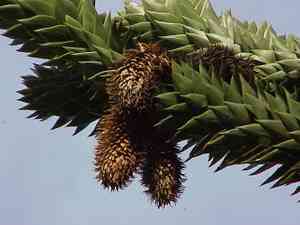
Originating from Chile and Argentina, the monkey puzzle tree is an ancient coniferous species characterized by its unique umbrella-shaped crown and robust, three-sided foliage. Trimming requirements are minimal, primarily involving the removal of deceased or impaired limbs, which enhances the plant's well-being and preserves its form. This task is ideally carried out in winter when the tree is inactive. It is crucial to exercise caution and refrain from severing into the distinctive whorled branch structure of the monkey puzzle tree, as doing so can interfere with its inherent growth trajectory and diminish its visual appeal.
Advantages of Trimming Monkey Puzzle Tree
Advantages of Trimming Monkey Puzzle Tree
Trimming monkey puzzle tree promotes robust development and preserves its distinct silhouette, crucial for both the plant's vitality and aesthetic appeal. Strategic cuts aid in size management and prevent congestion, ensuring the tree remains a garden focal point.
Optimal Period for Trimming Monkey Puzzle Tree
Optimal Period for Trimming Monkey Puzzle Tree
Winter is considered the ideal time for trimming monkey puzzle tree as the plant is in a dormant state. This minimizes stress and the likelihood of diseases or pests exploiting fresh cuts. Furthermore, without foliage, it's easier to discern the structure of monkey puzzle tree and execute precise cuts. Additionally, trimming in winter before the spring growth cycle enables monkey puzzle tree to channel energy into producing new, healthy growth once the active season commences.
Required Tools for Trimming Monkey Puzzle Tree
Long-handled pruners
Given the height and structure of monkey puzzle tree, long-handled pruners are essential for reaching elevated branches without needing a ladder.
Loppers
For thicker, accessible branches, loppers provide the necessary leverage for clean cuts without harming the trunk or adjacent branches.
Pole saw
For the highest limbs or branches too thick for pruners, a pole saw offers the extended reach and cutting power required for monkey puzzle tree.
Gloves
Protective gloves are especially important when trimming monkey puzzle tree due to its sharp foliage, which can easily cause injury.
Safety goggles
Working with monkey puzzle tree can dislodge debris, and safety goggles are vital for eye protection during the trimming process.
How to Trim Monkey Puzzle Tree
Step1: Identify Dead or Damaged Branches
Examine monkey puzzle tree closely to pinpoint dead branches and damaged limbs that require trimming. The best time to trim is late winter or early spring before new growth begins, but dead or damaged branches can be removed at any time of year.
Step2: Sanitize Trimming Tools
Clean and sanitize your trimming tools before starting to prevent disease transmission. Use a solution of one part bleach to nine parts water to sanitize the tools.
Step3: Wear Protective Gear
Wear protective clothing, gloves, and safety glasses to shield yourself from monkey puzzle tree's sharp needles and falling debris during the trimming process.
Step4: Trim Dead Branches
Start with dead branches. Make your cuts where the dead branch meets the healthy stem, but avoid cutting into the healthy wood. Use a saw for branches thicker than 1.5 inches and pruners for smaller branches.
Step5: Trim Damaged Limbs
Proceed to damaged limbs. If a limb is partially damaged, trim only the damaged portion. Cut back to healthy wood, ideally just above a lower branch or bud.
Step6: Make Angled Cuts
For both dead branches and damaged limbs, aim for a clean, angled cut that slopes away from the bud, allowing water to drain and reducing disease risk.
Step7: Minimize Trimming
Avoid excessive trimming of monkey puzzle tree. This species does not require shaping and responds poorly to topping or heavy cutting back. Remove only what is necessary for the plant's health.
Step8: Dispose of Trimmed Material
Properly discard the trimmed branches and limbs. Do not leave them near monkey puzzle tree, as decaying wood can attract pests and diseases.
Step9: Check for Stress or Disease
Monitor the tree for signs of stress or disease after trimming. If you observe unusual symptoms, consult a professional arborist for advice.
Step10: Water After Trimming
Water monkey puzzle tree deeply and thoroughly after trimming to aid its recovery, especially if the weather is dry.
Post-Trimming Care for Monkey Puzzle Tree
Post-Trimming Care for Monkey Puzzle Tree
After trimming monkey puzzle tree, immediately ensure clean cuts to prevent disease. Manage light exposure by placing monkey puzzle tree in bright, indirect light to reduce stress. Maintain stable humidity and temperature, ideally between 65-75°F with moderate humidity levels. Apply a balanced, slow-release fertilizer to support recovery, avoiding over-fertilization. Regularly inspect monkey puzzle tree for signs of stress, such as wilting or discolored foliage, and infection indicators like sap oozing. If symptoms appear, isolate monkey puzzle tree and consult a specialist for appropriate treatment.
Common Trimming Errors with Monkey Puzzle Tree
Severe Over-trimming Harming Growth
Over-trimming, which can severely harm or stress monkey puzzle tree, leading to poor growth or susceptibility to disease.
Incorrect Cutting at Trunk or Collar
Trimming too close to the trunk or cutting into the branch collar, which can create wounds that struggle to heal, making monkey puzzle tree vulnerable to infections.
Using Dull or Dirty Trimming Tools
Using dull or dirty trimming tools, which can tear branches and introduce pathogens to monkey puzzle tree, potentially causing health issues for the tree.
Unnecessary Removal of Structural Branches
Removing branches that form the main structure of monkey puzzle tree unnecessarily, which can diminish the natural shape and health of the tree.
Ignoring monkey puzzle tree's Growth Patterns During Trimming
Trimming without understanding the growth pattern of monkey puzzle tree, which can inhibit its unique habit and lead to a less visually appealing form.
Common Trimming Advice for Monkey Puzzle Tree
Use Sharp, Sterilized Tools for Clean Cuts
Maintain sharp and sterilized trimming tools to make clean cuts and reduce the risk of spreading disease to monkey puzzle tree.
Trim Only Dead or Damaged Branches
Remove only dead, diseased, or damaged branches to preserve the health and natural form of monkey puzzle tree without compromising its unique architecture.
Trim at an Angle, Protecting Branch Collar
Cut branches at a slight angle, away from the trunk, and avoid cutting into the branch collar to promote quicker healing and prevent disease entry.
Preserve Leading Shoot for Strong Growth
Identify and preserve the leading shoot, especially in younger monkey puzzle tree, to maintain a strong vertical form and eliminate competition from other vertical shoots.
Minimize Healthy Branch Removal; Trim Sparingly
Minimize the removal of healthy branches and limit trimming to what is necessary for maintaining the tree's health and safety since monkey puzzle tree doesn't respond well to heavy or severe trimming.



