How to Prune Jack-in-the-pulpit?
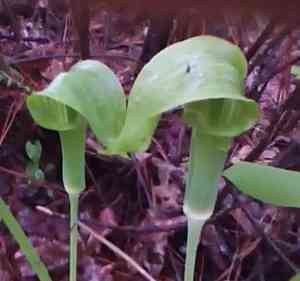
This enduring forest inhabitant is recognized for its unique floral arrangement and three-part leaves. Trimming jack-in-the-pulpit is infrequent, primarily involving the elimination of withered or injured leaves to preserve the plant's well-being and appearance. The most effective time for pruning is in early spring or late winter, prior to the emergence of fresh shoots. Key points to remember include safeguarding the spathe and spadix, which are the plant's specialized reproductive components. Pruning aids jack-in-the-pulpit by fostering robust development and inhibiting the dissemination of illnesses.
What Are the Benefits of Pruning Jack-in-the-pulpit?
What Are the Benefits of Pruning Jack-in-the-pulpit?
Trimming jack-in-the-pulpit promotes more robust growth by channeling energy to its most crucial components. Regular cutting helps maintain a neat look, ensuring jack-in-the-pulpit keeps its desired shape and form.
What Is the Best Time for Pruning Jack-in-the-pulpit?
What Is the Best Time for Pruning Jack-in-the-pulpit?
The ideal periods for trimming or cutting jack-in-the-pulpit are late winter and early spring, just before its growth cycle begins. This timing coincides with the plant's dormant phase when sap flow is minimal, reducing stress on jack-in-the-pulpit and helping prevent disease entry through cuts. Pruning then also allows gardeners to shape jack-in-the-pulpit before its rapid spring growth. Since jack-in-the-pulpit is a perennial that dies back, trimming should not hinder its spring emergence. Additionally, removing old foliage at this time can help manage pests and diseases, giving jack-in-the-pulpit a healthier start to the growing season.
What Tools Do I Need to Prune Jack-in-the-pulpit?
Bypass Pruners
These pruners create clean cuts without crushing jack-in-the-pulpit stems, which aids in maintaining plant health.
Small Gardening Shears
Lightweight and precise, these are suitable for trimming foliage without harming jack-in-the-pulpit's delicate structures.
Gloves
To shield your hands from any potential skin irritants in jack-in-the-pulpit's sap during trimming.
Garden Sanitizer
For disinfecting cutting tools between uses to prevent spreading diseases to or from jack-in-the-pulpit.
How to Prune Jack-in-the-pulpit
Clean Tools
Before trimming jack-in-the-pulpit, ensure all pruning tools are clean and sharp to prevent disease spread and make precise cuts.
Identify Stems
Carefully examine jack-in-the-pulpit to locate dead stems. These typically appear brown or black and may feel withered or brittle.
Cut Dead Stems
Using pruning shears, cut the dead stem back to its base, where it emerges from the ground or main stem. Avoid damaging healthy tissue.
Dispose Debris
Remove and discard all dead stems and foliage away from jack-in-the-pulpit to prevent potential disease or pest infestations.
Inspect Plant
After removing dead stems, check jack-in-the-pulpit for any signs of pests or disease and take appropriate action if necessary.
Common Pruning Mistakes with Jack-in-the-pulpit
Overpruning
Removing too much foliage at once can stress jack-in-the-pulpit, hindering its ability to photosynthesize and store energy for the next season.
Pruning Live Tissue
Cutting into green stems or live growth can harm jack-in-the-pulpit, as it is unnecessary and can introduce pathogens or pests to the live tissue.
Not Using Clean Tools
Pruning with dirty or contaminated tools can spread disease to jack-in-the-pulpit, compromising its health.
Pruning For Aesthetics
Focusing on shaping jack-in-the-pulpit for ornamental purposes can be detrimental, as it's a wildflower that thrives with minimal interference.
Ignoring Plant Health
Failing to assess the health of jack-in-the-pulpit before pruning can lead to removal of the wrong parts, affecting the plant's overall vitality.
Common Pruning Tips for Jack-in-the-pulpit
Remove Spent Flowers
After flowering, trim off spent blooms of jack-in-the-pulpit to prevent seed formation if propagation is not desired, focusing on dead or dying tissue.
Sanitize Tools
Always use clean, sanitized tools when pruning jack-in-the-pulpit to prevent the spread of disease.
Assess Before Cutting
Carefully inspect jack-in-the-pulpit to identify the parts that are dead, damaged, or diseased before making any cuts.
Minimal Interference
Understand that jack-in-the-pulpit generally requires little pruning; allow it to grow naturally except for removing unhealthy tissue.
Protective Gear
Wear gloves and protective eyewear when pruning jack-in-the-pulpit, as the plant's sap can be an irritant.



