How to Prune Woolly dutchman's pipe?
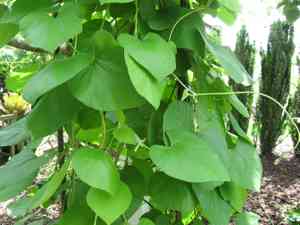
This enduring climbing plant is recognized for its cordate foliage and elaborate, tubular blossoms. Trimming woolly dutchman's pipe entails excising deceased or ailing branches and sculpting for an orderly look. Perform pruning on woolly dutchman's pipe in late winter or early spring prior to the emergence of new shoots. This period fosters robust development and abundant flowering. It is crucial to employ sanitized, keen implements for accurate incisions and to refrain from extensive pruning, which can diminish bloom production. Pruning aids woolly dutchman's pipe by enhancing air movement and mitigating problems with pests.
What Are the Benefits of Pruning Woolly Dutchman's Pipe?
What Are the Benefits of Pruning Woolly Dutchman's Pipe?
Trimming woolly dutchman's pipe encourages robust development and helps maintain its desired form. This action promotes the emergence of new, healthy foliage and can boost the vine's aesthetic appeal by keeping it well-maintained.
What Is the Best Time for Pruning Woolly Dutchman's Pipe?
What Is the Best Time for Pruning Woolly Dutchman's Pipe?
Cutting back woolly dutchman's pipe in late winter or early spring is advantageous as it prepares the plant for vigorous growth in the upcoming season. Pruning at this time reduces stress on woolly dutchman's pipe, as it is typically still dormant, which lessens the chance of sap loss and disease infection. These periods are also ideal because pruning can be completed before new growth begins, ensuring energy is directed towards the development of desired shoots and flowers. Furthermore, the absence of leaves during this time offers a clearer view of the plant's structure, allowing for more precise and effective pruning.
What Tools Do I Need to Prune Woolly Dutchman's Pipe?
Hand pruners
Perfect for cutting through small stems and branches of woolly dutchman's pipe, ensuring clean cuts without harming the plant.
Loppers
Suitable for reaching into the thicker parts of woolly dutchman's pipe and cutting larger stems that hand pruners cannot manage.
Pruning saw
Essential for removing any substantial, older stems of woolly dutchman's pipe that require more force and a broader cutting surface.
Gloves
Crucial for protecting hands from the fibrous texture of woolly dutchman's pipe, which might cause irritation to some gardeners.
How to Prune Woolly Dutchman's Pipe
Identify And Prepare
Locate any diseased and withered leaves on woolly dutchman's pipe. Ensure proper cleaning and sterilization of pruning tools to prevent the spread of diseases during trimming.
Remove Diseased Leaves
Carefully snip off any diseased leaves from woolly dutchman's pipe using sharp, sanitized pruning shears. Cut the leaf stems close to the main vine, taking care not to damage healthy tissue.
Remove Withered Leaves
Trim away withered leaves from woolly dutchman's pipe to encourage healthy growth and improve air circulation. Again, ensure to cut close to the main vine without harming the plant's healthy sections.
Dispose
Properly discard the removed diseased and withered leaves. Do not compost them, as diseases can persist in the compost and infect woolly dutchman's pipe in the future.
Clean Up
Tidy the work area and sanitize the pruning tools once more to ensure no pathogens remain that could potentially infect woolly dutchman's pipe or other plants.
Common Pruning Mistakes with Woolly Dutchman's Pipe
Over-Pruning
A significant error is removing too much of woolly dutchman's pipe's growth, which can stress the plant, leading to reduced vigor and fewer blooms.
Improper Cuts
Incorrect cutting methods, such as tearing or crushing stems, can harm woolly dutchman's pipe and make it vulnerable to diseases.
Pruning Without Disinfecting
Failing to sanitize tools before pruning can transmit pathogens to woolly dutchman's pipe, potentially causing infections and illnesses.
Neglecting Dead Or Diseased Material
Not removing dead, diseased, or damaged growth from woolly dutchman's pipe can hinder the plant's health and appearance.
Excessive Shaping
Attempting to overly shape woolly dutchman's pipe can result in an unnatural look and impede the plant's growth, as this species often thrives with a more natural growth habit.
Common Pruning Tips for Woolly Dutchman's Pipe
Sharp Tools
Utilize sharp, clean pruning shears to make precise cuts on woolly dutchman's pipe, which helps prevent damage and disease.
Disinfecting Tools
Always sanitize pruning tools before use to minimize the risk of spreading diseases to woolly dutchman's pipe.
Remove Undesired Growth
Trim away unwanted or poorly positioned vines to maintain the desired structure and encourage fresh growth in woolly dutchman's pipe.
Promote Air Circulation
Thin out dense areas of woolly dutchman's pipe selectively to enhance air circulation and light penetration, which fosters overall plant health.
Consider Plant Architecture
Understand the natural growth pattern of woolly dutchman's pipe and prune in a way that supports and enhances its inherent structure.



