How to Prune Common wormwood?
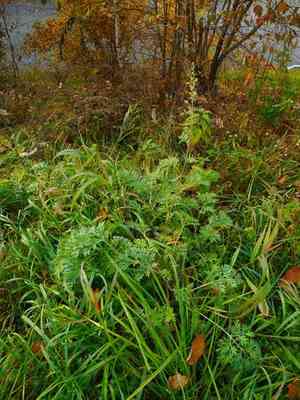
Artemisia absinthium, valued for its silver-hued leaves and therapeutic attributes, flourishes under appropriate maintenance. Essential trimming methods involve shortening elongated stalks to encourage a denser form and eliminating aged, lignified sections to revitalize the specimen. The ideal window for pruning extends from the beginning of spring through the end of summer. Trimming during this interval stimulates robust new growth and improves air movement, which can deter fungal infections. Pruning additionally manages development and sculpts the plant for visual attractiveness or collection.
Advantages of Trimming Common Wormwood
Advantages of Trimming Common Wormwood
Trimming common wormwood encourages robust development and helps maintain its form, fostering a more condensed, full appearance that is visually appealing and healthy.
Optimal Time for Trimming Common Wormwood
Optimal Time for Trimming Common Wormwood
Early spring is considered the best period for trimming common wormwood as the plant is emerging from dormancy and about to start a new growth cycle. Pruning at this stage can help stimulate new growth, shape the plant, and remove any winter damage before the plant expends energy on new foliage. Late summer is also a suitable time; trimming common wormwood during this period allows for the removal of spent blooms and can help prevent the plant from becoming woody and overgrown. It is important to avoid heavy pruning in late fall or winter, as new growth could be damaged by frosts. Additionally, trimming common wormwood before it sets seeds will help maintain the plant's vitality and promote more robust growth in the following season.
Tools Required for Trimming Common Wormwood
Hand Pruners
For precise cutting and shaping of common wormwood, hand pruners are perfect for snipping thin stems and overgrown branches.
Shears
If common wormwood needs a more significant cutback, shears can provide a clean cut across thicker stems and aid in shaping the plant.
Gardening Gloves
Hand protection while trimming common wormwood to prevent irritation from the plant's oils and to maintain a secure grip on tools.
Pruning Saw
If common wormwood has woody stems too thick for hand pruners or shears, a pruning saw can simplify the task without harming the plant.
Loppers
If common wormwood growth is more extensive and requires cutting slightly thicker branches that hand pruners cannot manage, loppers offer extended reach and greater leverage.
Garden Sanitizer
To prevent disease transmission during trimming of common wormwood, clean your tool blades with a garden sanitizer before and after use.
How to Trim Common Wormwood
Step1: Timing Pruning for Early Spring
Determine the correct time for trimming common wormwood, which is early spring before new growth begins. This allows you to shape the plant and remove any dead or damaged parts from the winter season.
Step2: Tool Sanitization Prior to Pruning
Sanitize your trimming tools before starting. Clean cuts are crucial to prevent the spread of disease. Use a diluted bleach solution or rubbing alcohol to wipe the blades.
Step3: Removing Dead or Damaged Woody Stems
Begin with woody stems that are dead, damaged, or diseased. Trim these stems back to the plant's base or to the point of healthy growth. Make angled cuts to promote water runoff and prevent disease.
Step4: Deadheading Spent Flowers
Trim spent flowers by deadheading. Cut the flower stem back to just above a leaf node or a branching point with green growth to encourage bushier growth and more blooms in the next flowering cycle.
Step5: Thinning for Improved Air Circulation
Thin out crowded areas to enhance air circulation. Remove some of the stems in the thickest parts of common wormwood by cutting at the base. This helps reduce the chance of fungal diseases due to damp conditions.
Step6: Shaping Plant by Selective Pruning
Shape common wormwood by shortening overgrown stems to maintain the desired shape and size of the plant. Use selective trimming to cut back stems to a side branch or leaf node to direct new growth in a particular direction.
Step7: Cleanup of Pruning Debris
After trimming, clear all clippings and debris from around common wormwood to prevent pest and disease problems. Compost healthy clippings and dispose of any diseased material properly.
Step8: Post-Pruning Watering
Water common wormwood after trimming to aid its recovery, but be careful not to overwater as this plant prefers drier conditions.
Step9: Monitoring Plant Health Post-Pruning
Monitor common wormwood after trimming for any signs of stress or disease, and apply a balanced fertilizer if necessary to support new growth.
Aftercare for Common Wormwood Post-Trimming
Aftercare for Common Wormwood Post-Trimming
Immediately after trimming common wormwood, water it thoroughly to help reduce stress. Ensure common wormwood is placed in a sunny location with well-draining soil to promote vigorous growth. Maintain a temperate environment, avoiding extreme temperature fluctuations. Post-trimming, apply a balanced, slow-release fertilizer to support recovery. Regularly check for signs of stress, such as wilting or discoloration, and for any infection indicators, like unusual spots on leaves. Implement prompt treatment if such issues arise to secure common wormwood's health.
Common Trimming Errors with Common Wormwood
Over-Pruning Reduces Plant Vigor
Trimming common wormwood too aggressively can stress the plant and diminish its vigor.
Unsanitized Tools Spread Diseases
Failing to sanitize trimming tools before use, potentially spreading diseases to common wormwood.
Improper Cuts Harm Plant Shape
Cutting back common wormwood without considering its natural shape and growth habit, resulting in an unattractive appearance and possible damage to the plant's structure.
Excessive Foliage Removal Weakens Plants
Removing too much foliage at once, which can weaken common wormwood and expose it to environmental stressors.
Not Deadheading Affects Flowering Potential
Failure to deadhead spent blooms on common wormwood, which can lead to poor growth and reduce flowering potential in the following seasons.
Helpful Trimming Advice for Common Wormwood
Sharp Shears for Clean Cuts and Disease Prevention
Use sharp, clean trimming shears to make precise cuts on common wormwood, which help promote faster healing and reduce the risk of disease.
Cut Above Leaf Nodes for New Growth
Trim common wormwood by cutting above the leaf nodes to encourage new growth and maintain a compact, bushy form.
Deadheading for Continuous Blooms
Regularly deadhead common wormwood by removing faded flowers to encourage continued blooming and prevent the plant from putting energy into seed production.
Thinning for Better Airflow and Light
Thin out the center of common wormwood to improve air circulation and sunlight penetration, which helps minimize the risk of fungal diseases.
Prune Leggy Stems for Vigorous Growth
Cut back leggy stems on common wormwood in late winter or early spring to promote vigorous growth and improve the overall shape of the plant.
Gradual Size Reduction to Prevent Shock
When reducing the size of common wormwood, do so gradually over multiple seasons to avoid shocking the plant and to maintain its health and strength.



