How to Prune Tarragon?
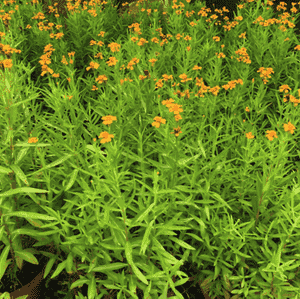
This enduring herb, recognized for its fragrant foliage utilized in cooking, thrives with consistent trimming. For tarragon, perform a light trim in spring to eliminate any deceased or aged stalks, thereby stimulating fresh development. Throughout summer, cut back after blooming to preserve its form and promote a denser habit. Refrain from severe pruning since tarragon possesses a woody foundation that does not readily regrow. Trimming improves air movement and plant robustness, potentially elevating the herb's taste and output.
Advantages of Trimming Tarragon
Advantages of Trimming Tarragon
Trimming tarragon promotes robust development and maintains its desired form. By selectively removing overgrown sections, cultivators can ensure a denser, healthier plant that efficiently uses its resources.
Optimal Period for Trimming Tarragon
Optimal Period for Trimming Tarragon
Trimming in Spring coincides with tarragon's awakening from dormancy, stimulating fresh growth and shaping the plant before the active growing season begins. Early Summer trimming aids in removing any spent blooms and can revitalize tarragon, encouraging further leaf development, which is beneficial as the leaves are the desired part of this herb.
Necessary Tools for Trimming Tarragon
Hand Pruners
Perfect for precise cuts on slender stems, fostering healthy development.
Shears
Suitable for shaping tarragon and managing its spread; allows for quick snips.
Pruning Saw
Generally not needed, but useful for older, tougher stems if present.
How to Trim Tarragon
Remove Old Stems
Identify old stems on tarragon that have become woody and thick. Using clean, sharp pruning shears, cut these stems back to just above a set of new growth or young leaves to encourage bushiness and new shoots.
Trim Withered Leaves
Examine tarragon for any withered or discolored leaves that indicate age or stress. Gently prune these leaves by snipping them off at the base to improve air circulation and plant health.
Eliminate Damaged Shoots
Search for any shoots on tarragon that show signs of damage from pests, disease, or weather. Carefully trim these damaged shoots down to healthy tissue, making cuts at a 45-degree angle to prevent water accumulation and promote healing.
Common Trimming Errors with Tarragon
Excessive Trimming
Removing too much foliage from tarragon at once can stress the plant, leading to reduced growth and vigor.
Cutting Into Old Wood
Pruning tarragon into the old woody stems can prevent new shoots from emerging as these plants typically do not regrow from old wood.
Neglecting To Remove Dead Stems
Failing to clear away dead or dying stems can hinder new growth and may invite disease or pest infestations.
Using Dull Tools
Pruning with dull or dirty tools can cause jagged cuts that are more susceptible to disease and can damage the plant.
Ignoring The Plant'S Natural Shape
Attempting to force tarragon into an unnatural shape or size through pruning can compromise its health and aesthetic appeal.
General Trimming Advice for Tarragon
Sharp And Clean Tools
Use sharp, disinfected pruning shears to ensure clean cuts that heal quickly, reducing the risk of disease.
Selective Thinning
Thinning out select stems rather than shearing the plant uniformly encourages better air circulation and light penetration.
Regular Light Pruning
Conducting regular, light pruning helps maintain the desired shape of tarragon and promotes fuller and more vigorous growth.
Snipping Just Above Leaf Nodes
When cutting, make snips just above leaf nodes to encourage the growth of new shoots.
Removal Of Flowering Stems After Bloom
If tarragon is grown for its leaves rather than flowers, remove flowering stems after bloom to focus the plantâs energy on leaf production.



