How to Prune Small carpetgrass?
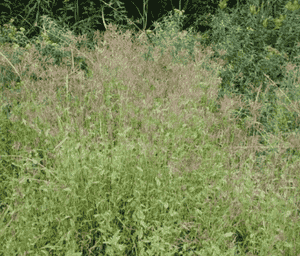
A persistent grass recognized for its aggressive tendencies, small carpetgrass flourishes across diverse environments. Essential trimming methods involve consistent cutting to sustain a controllable stature and inhibit seed production. The most effective pruning takes place throughout its active growth periods in spring, summer, and autumn. Trimming during these intervals guarantees robustness and discourages proliferation. Particular points for small carpetgrass entail discarding cuttings to avert unintentional spread. Advantages of pruning encompass improved lawn appearance and diminished invasiveness.
What Are the Benefits of Pruning Small Carpetgrass?
What Are the Benefits of Pruning Small Carpetgrass?
Trimming small carpetgrass encourages robust development by eliminating dead or overgrown stems, enhancing air circulation and light exposure. This also aids in maintaining its form, ensuring a controlled and pleasing look, while potentially lowering disease risk.
What Is the Best Time for Pruning Small Carpetgrass?
What Is the Best Time for Pruning Small Carpetgrass?
Pruning or trimming small carpetgrass in Spring allows for the removal of any winter damage and stimulates new growth as the plant enters its active growing phase. In Summer, light trimming can help shape small carpetgrass and manage its spread, preventing it from overcrowding other plants. Fall trimming is beneficial for removing any dead or diseased foliage before the plant goes dormant in Winter, reducing the risk of fungal infections and other ailments that can be worsened by decaying plant material. These seasons are chosen to align with small carpetgrass's natural growth cycle and to ensure the plant's health and vigor without disrupting its flowering or fruiting periods.
What Tools Do I Need to Prune Small Carpetgrass?
Hand Pruners
Perfect for trimming and shaping small carpetgrass, useful for snipping thin stems and managing the spread of this grass.
Grass Shears
These are ideal for precise cuts close to the ground, suitable for maintaining the neat appearance of small carpetgrass.
String Trimmer
A string trimmer efficiently handles larger areas where small carpetgrass grows thickly or excessively, allowing for quick edge trimming.
How to Prune Small Carpetgrass
Remove Debris
Before trimming small carpetgrass, clear the area around the plant of any debris or fallen leaves to prevent disease and pests from affecting the pruned plant.
Sterilize Tools
Use clean, sharp pruning shears or scissors. Disinfect the tools with alcohol or a diluted bleach solution to prevent disease transmission.
Identify Withered Leaves
Carefully inspect small carpetgrass to locate the withered leaves that need removal. Look for leaves that are brown, dry, or showing signs of decay.
Cut Leaves
Trim the identified withered leaves at their base where they meet the stem or soil, cutting as close as possible without harming healthy tissue.
Dispose Waste
Collect and discard the withered leaves in a compost bin or waste container to prevent them from harboring pests or diseases that could reinfect the plant.
Common Pruning Mistakes with Small Carpetgrass
Over-Pruning
Removing too much foliage at once can stress small carpetgrass, leading to reduced vitality and potentially killing the plant.
Improper Cutting Technique
Making jagged or torn cuts can create entry points for pests or disease, compromising the health of small carpetgrass.
Neglecting Tool Hygiene
Using dirty or contaminated tools can introduce pathogens to small carpetgrass, causing infections that may spread to other plants.
Ignoring Plant Structure
Random or uninformed cutting without considering small carpetgrass's natural growth pattern can lead to a misshapen appearance or weakened structure.
Pruning Without Reason
Trimming small carpetgrass without a specific purpose, such as shaping, thinning, or removing dead material, can lead to unnecessary stress on the plant.
Common Pruning Tips for Small Carpetgrass
Sharp Tools
Always use sharp, clean pruning shears to make clean cuts that will heal quickly, preventing undue stress on small carpetgrass.
Strategic Cut Placement
When cutting back small carpetgrass, make cuts just above a leaf node or branching point to encourage new growth in the desired direction.
Incremental Pruning
Gradually prune small carpetgrass over time rather than all at once to maintain plant health and structure, which is especially important for novice gardeners.
Removal Of Dead Material
Regularly remove dead or diseased foliage from small carpetgrass as this will help prevent the spread of disease and encourage healthy new growth.
Balance Aesthetic And Health
For both novice and experienced gardeners, maintain a balance between shaping for aesthetic and pruning for the health of small carpetgrass, focusing on thinning out dense areas to allow light and air penetration.



