How to Prune Italian arum?
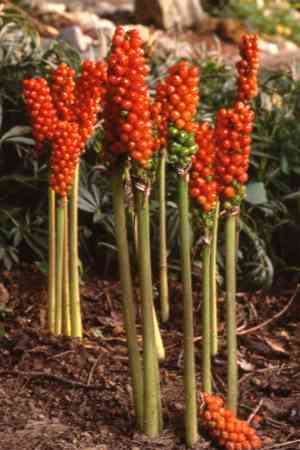
Arum italicum, recognized for its distinctive arrowhead-shaped leaves, thrives with trimming to eliminate withered foliage and stimulate robust development. Essential methods involve severing yellowed, spent leaves, making sure to don gloves due to possible dermal irritants in the plant's fluid. The ideal period for pruning is in early spring or late winter prior to the emergence of new growth. This schedule enables cultivators to prepare the area for new leaves and avert the potential dissemination of ailments.
What Are the Benefits of Pruning Italian Arum?
What Are the Benefits of Pruning Italian Arum?
Trimming italian arum ensures robust development by removing dead or crowded leaves, thereby improving light penetration and air circulation. It also maintains its desired decorative shape, preventing excessive growth that could diminish its visual appeal.
What Is the Best Time for Pruning Italian Arum?
What Is the Best Time for Pruning Italian Arum?
Trimming italian arum during early spring and late winter is considered ideal for several reasons. This period coincides with the plant's dormant phase, just before the start of its new growth cycle. Pruning at this time minimizes stress on italian arum, as the plant is not actively directing energy towards growth, blooming, or seed production. This timing also allows gardeners to remove any frost-damaged or dead foliage from the previous year, which encourages healthy growth and enhances air circulation around emerging shoots. Additionally, cutting back italian arum before new leaves unfurl permits cleaner cuts and better healing of pruned areas, thus lowering the risk of disease. It is also easier for gardeners to discern the plant's structure without leaves, aiding in more precise cuts. Ensuring optimal health and vigor, pruning during these suggested seasons will contribute to the plant's strength and aesthetic appeal throughout its active phases.
What Tools Do I Need to Prune Italian Arum?
Hand Pruners
Essential for making clean cuts on italian arum's spent flower stalks and any yellowing leaves. Their precision ensures minimal damage to the plant.
Pruning Shears
Useful for trimming back old foliage without harming new growth. The shears can easily cut through italian arum's relatively soft stems.
Gloves
Protects hands from italian arum's sap, which can be an irritant, while handling the plant during pruning.
Garden Scissors
Ideal for deadheading or precise cutting of spent flowers and trimming the surrounding foliage in tight spaces.
Waste Bin or Bag
To promptly collect and dispose of all trimmings from italian arum to maintain a clean working area and reduce the spread of any potential pests or diseases.
How to Prune Italian Arum
Step1: Assessment and Planning
Sterilize pruning tools, such as secateurs or sharp scissors, with a solution of 1 part bleach to 9 parts water to prevent the spread of disease.
Step2: Tool Sterilization
Begin by trimming yellow leaves. Locate the base of each yellow leaf where it joins the stem or the main plant body. Make a clean cut at the base of the leaf using the sterilized secateurs without damaging adjacent stems or leaves.
Step3: Yellow Leaves Removal
Prune withered branches next. Identify which branches are no longer productive or growing by looking for signs such as a lack of leaves or flowers, brittleness, and a dried appearance. Cut these branches at the point where they emerge from the main plant body or at their base, ensuring the cut is clean and angled away from the main stem to avoid water collection which could lead to rot.
Step4: Withered Branches Pruning
Remove dead foliage. Dead foliage can attract pests and diseases, so it must be carefully cut from the plant. Trace the dead material back to its point of origin on the healthy stem, and snip it off cleanly.
Step5: Dead Foliage Trimming
Once all unwanted parts are removed, step back and review the shape of the italian arum. If any part of the plant looks unbalanced or unruly, make minor shaping cuts to improve its overall appearance.
Step6: Plant Reshaping
Dispose of all trimmed material away from healthy plants to prevent any potential disease spread.
Step7: Debris Disposal
Clean and sterilize all pruning tools again after completing the pruning process.
Step8: Post-Pruning Tool Care
Water the italian arum if the soil is dry and provide it with appropriate care post-pruning, which includes ensuring it has sufficient light, water, and possibly fertilization, as required by its specific needs.
Post-Pruning Care for Italian Arum
Post-Pruning Care for Italian Arum
After pruning italian arum, immediately water the soil to aid recovery but avoid waterlogging. Keep italian arum in bright, indirect light and maintain a humid environment without direct exposure to harsh sun. Ensure ambient temperatures are between 65-75°F. Post-pruning, apply a balanced, slow-release fertilizer to support regrowth. Regularly inspect for wilt or discolored leaves indicative of stress or infection. Upon signs of poor health, adjust care and consult a plant pathology expert if necessary.
Common Pruning Mistakes with Italian Arum
Avoid Over-pruning to Prevent Plant Stress
Excessive pruning can be harmful to italian arum, as removing too much foliage at once can stress the plant and impede its growth and vigor.
Do Not Damage Main Tuber or Rhizome
Cutting into the main tuber or rhizome of italian arum during pruning can cause significant damage to the plant, potentially leading to rot or disease.
Sterilize Pruning Tools to Avoid Disease Spread
Neglecting to sterilize pruning tools before use can introduce pests or diseases to italian arum, which may spread to other plants in the garden.
Prune Selectively, Not Indiscriminately
Pruning away healthy leaves and stems indiscriminately, rather than targeting just the spent flowers or yellowing foliage, can reduce the overall aesthetic appeal and health of italian arum.
Dispose of Pruned Material Correctly
Failing to dispose of the pruned material properly might lead to the spread of italian arum, as parts of the plant can potentially take root and become invasive.
Common Pruning Tips for Italian Arum
Use Sharp, Clean Shears for Healthy Cuts
Use sharp, clean pruning shears to make clean cuts on italian arum, which will prevent damage to the plant tissues and promote faster healing.
Prune Only Dead or Yellowing Leaves and Flowers
Focus on removing only the yellowing leaves, faded flower spathes, and any dead or dying foliage to maintain the plant's health and appearance.
Prune After Flowering to Redirect Plant Energy
After flowering, prune the flower spathes of italian arum to redirect energy to the tubers, promoting more vigorous growth in the following season.
Separate and Prune Overgrown Clumps Gently
When tackling overgrown clumps, gently separate and prune the offsets of italian arum without disturbing the main plant too much. This helps to control the spread and encourages rejuvenation.
Fertilize After Pruning for Recovery and Growth
After pruning, apply a balanced, slow-release fertilizer to provide italian arum with the necessary nutrients to recover and thrive, following the recommended application rates.



