How to Prune Goat's beard?
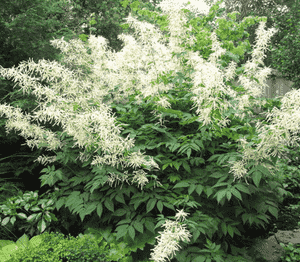
A long-lived plant featuring delicate plumes and frond-like leaves, Aruncus dioicus flourishes with infrequent trimming. Snip off faded blossoms and lifeless or injured stalks to stimulate fresh development. Perform pruning in early spring prior to vigorous growth or in late summer following the flowering period. Reducing dense stems enhances air movement, boosting the plant's well-being. Periodic trimming sustains a pleasing form and deters self-propagation, safeguarding garden beauty and managing expansion.
Advantages of Trimming Goat's Beard
Advantages of Trimming Goat's Beard
Trimming goat's beard promotes robust development and preserves its form, ensuring a dense, appealing shape while preventing excessive growth that can cause poor air circulation and illness.
Optimal Time for Trimming Goat's Beard
Optimal Time for Trimming Goat's Beard
Trimming goat's beard in early spring allows for the removal of any winter-damaged or dead foliage before new growth starts. This timing is vital as it enables the plant to focus its energy on producing healthy new shoots. During the active growth phase, light trimming might be necessary to maintain the desired shape and size, while avoiding extensive pruning once blooming has begun. Late summer trimming should be restricted to removing faded flower heads and shaping the plant, as cutting back too late in the season can stimulate new growth vulnerable to winter damage.
Required Tools for Trimming Goat's Beard
Bypass Pruners
Perfect for making clean cuts on goat's beard's thinner stems and leaves, encouraging healthy new development.
Pruning Shears
Sharp shears are essential for precise trimming of goat's beard, especially for shaping and removing faded flowers.
Loppers
Offer leverage for cutting through goat's beard's thicker stems that are too large for pruners, while still allowing accurate control.
Gardening Gloves
Protect hands from goat's beard's coarse foliage during trimming and prevent potential skin irritation or scratches.
Pruning Saw
Needed for removing mature, woody stems of goat's beard that have become too large for loppers to manage.
Disinfectant
Used to sanitize cutting tools between cuts to prevent the spread of disease in goat's beard.
How to Trim Goat's Beard
Step1: Deadheading Spent Blooms
Inspect goat's beard at the close of its flowering period to identify old flowers that need trimming for aesthetic reasons and to potentially encourage more blooming.
Step2: Removing Spent Flower Stalks
Use clean, sharp pruning shears to snip off the faded flower stalks at their base, being careful not to harm new growth that might be emerging.
Step3: Eliminating Dead Branches
Examine goat's beard for any dead branches, which will lack leaves or live buds. These can be removed to enhance air circulation and overall plant vitality.
Step4: Trimming for Shape and Health
Cut the dead branches at the point where they meet healthy wood. Make the cut just above an outward-facing bud or branch to promote a good shape as new growth develops.
Step5: Addressing Damaged Stems
Look for damaged stems, which may have been caused by weather, animals, or disease. Damaged stems should be removed to prevent disease spread and to foster a healthy appearance.
Step6: Cutting Back to Healthy Tissue
Trim the damaged stems by cutting them back to a healthy section of the stem. If the entire stem is damaged, remove it at the base.
Step7: Shaping the Plant Post-Trimming
After trimming old flowers, dead branches, and damaged stems, evaluate the overall shape of goat's beard. Lightly trim any additional areas to maintain a natural-looking, well-proportioned shape.
Step8: Proper Disposal of Trimming Debris
Dispose of all cuttings appropriately to reduce the chance of disease spread. Do not compost diseased material.
Step9: Tool Sanitization After Trimming
Clean and sanitize your trimming tools after finishing to prevent transferring any potential diseases or pests to other plants.
Step10: Post-Trimming Watering and Mulching
Water goat's beard if the soil is dry and add a layer of mulch around the base to conserve moisture and provide nutrients for healthy growth.
Step11: Monitoring Plant Recovery
Monitor goat's beard for new growth and any signs of stress following trimming and take appropriate measures to support its recovery and vigor.
Aftercare for Goat's Beard Post-Trimming
Aftercare for Goat's Beard Post-Trimming
Immediately after trimming goat's beard, ensure sufficient watering to aid recovery, avoiding waterlogging. Place goat's beard in partial shade to lessen stress, maintaining consistent humidity and temperature. Apply a balanced, slow-release fertilizer to support new growth. Regularly check for signs of stress such as wilting or discoloration and for any infection indicators like unusual spots on the leaves. If symptoms are present, treat as appropriate with fungicides or pest control measures. Consistent monitoring and timely action are crucial for goat's beard's post-trimming recovery.
Common Trimming Errors with Goat's Beard
Excessive Trimming Can Shock Plant
Trimming goat's beard too severely is a frequent mistake. This can shock the plant, potentially leading to poor growth and reduced flowering.
Ignoring Dead and Diseased Stems
Failing to remove dead or diseased stems, which can lead to further deterioration of goat's beard's overall health and the spread of plant diseases.
Using Dull or Dirty Trimming Tools
Using dull or dirty trimming tools on goat's beard, which can damage the stems and introduce pathogens to the plant.
General Trimming Advice for Goat's Beard
Sterilize Trimming Tools for Clean Cuts
Use sharp and sterilized trimming tools when cutting back goat's beard to ensure clean cuts that heal quickly and reduce the risk of disease.
Thin Out Dense Areas for Healthier Growth
Focus on thinning out dense areas of goat's beard to promote better air circulation and light penetration, which are key for preventing fungal issues and encouraging sturdy growth.
Remove Only Dead or Diseased Stems
Remove only the dead and diseased stems or spent flower stalks to maintain the natural shape of goat's beard and to promote its health and vitality.



