How to Prune Switchcane?
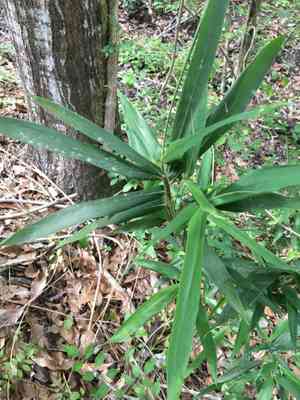
This perennial, resembling bamboo with its towering, woody stalks and thick leaves, benefits from careful trimming to sustain its vitality and aesthetic. For switchcane, conduct pruning in the early spring or during winter prior to the emergence of new growth. Eliminate older, less robust stalks and shorten any excessively long branches to stimulate the development of new shoots. Pruning additionally controls its expansion and improves access. Consistent removal of deceased or compromised matter fosters the plant's well-being and deters illness.
What Are the Benefits of Pruning Switchcane?
What Are the Benefits of Pruning Switchcane?
Trimming switchcane promotes robust development and helps maintain its desired form. Strategic cuts enhance air movement and sunlight exposure, vital for the plant's health and visual appeal.
What Is the Best Time for Pruning Switchcane?
What Is the Best Time for Pruning Switchcane?
Trimming switchcane in early spring, just before its active growth phase, allows gardeners to shape the plant and remove any damaged or diseased stems without causing stress, as it's not actively growing. This timing also prepares switchcane for vigorous growth in warmer weather. Winter pruning is advantageous because switchcane is dormant. This reduces the risk of pest and disease issues that might arise from open wounds during active growth. Additionally, the absence of leaves makes the plant's structure more visible, allowing for more precise cuts and maintaining the desired shape. Pruning during these seasons helps ensure switchcane's health and vitality, encouraging stronger shoots in the subsequent growing period.
What Tools Do I Need to Prune Switchcane?
Bypass Pruners
Perfect for cleanly cutting live stems and small branches of switchcane up to approximately 3/4 inch in diameter. Their scissor-like action ensures precise cuts, fostering healthy growth.
Loppers
Featuring long handles for increased leverage, loppers are suitable for cutting thicker stems and branches of switchcane up to 2 inches in diameter. They assist in reaching deeper into dense growth without straining the user.
Hand Saws
For mature and thicker switchcane canes that exceed lopper capacity, a sharp hand saw is effective. It cuts through branches over 2 inches in diameter and enables selective cane removal.
String Trimmers
Switchcane can spread aggressively if not managed. A string trimmer can be used to control the edges of switchcane patches and remove new shoots appearing outside the intended area.
Hedge Shears
When shaping or maintaining the overall form of switchcane, hedge shears are useful for uniformly trimming foliage. These are especially helpful for larger-scale shaping tasks.
How to Prune Switchcane
Identify and prepare
Locate diseased and withered leaves on switchcane. Gather pruning shears or scissors, and sanitize tools with alcohol to prevent disease transmission.
Cut diseased leaves
Carefully remove diseased leaves from switchcane at their base, cutting as close to the cane as possible without harming it. Properly dispose of diseased material to avoid contaminating healthy parts.
Prune withered leaves
Remove withered leaves by snipping them off at the base using the sterilized pruning shears. Ensure clean cuts to encourage healthy regrowth.
Inspect and clean
Examine switchcane for any remaining unhealthy sections after trimming, and re-sterilize tools to prevent cross-contamination.
Maintenance check
Perform a general maintenance check on switchcane to confirm that the trimming process has not left any stubs or jagged cuts, which can be entry points for pests and diseases.
Common Pruning Mistakes with Switchcane
Over-pruning
Removing too much foliage can stress switchcane and hinder its growth. Gardeners should prune cautiously, as excessive cutting can lead to weaker plants.
Improper tool use
Using dull or dirty tools can damage switchcane's canes, leaving ragged cuts susceptible to disease. Always use sharp, sterile pruning tools.
Pruning for size control
Switchcane naturally grows tall and slender; attempting to control its height by topping can result in an unattractive appearance and harm the plant's natural growth pattern.
Neglecting dead canes
Failing to remove dead or diseased canes can impact switchcane's overall health and appearance, as these can become sources of pests and diseases.
Ignoring natural growth cycle
Pruning without considering switchcane's growth cycle can lead to poor flowering and vegetative growth. Gardeners should understand its growth habits for effective pruning.
Common Pruning Tips for Switchcane
Selective thinning
Remove only specific canes, focusing on thinning out older, overgrown, or problematic shoots. This promotes light penetration and air circulation, enhancing switchcane's health.
Cane renewal
Prune older canes at ground level to stimulate new, healthy shoot development. Aim for a balance between old and new growth for sustained vigor.
Cut at the right angle
Make cuts at a 45-degree angle just above a bud or node to encourage proper healing and new growth. Avoid cutting too close to the bud to prevent damage.
Clean-up
After pruning, clear all cuttings from around switchcane to prevent the spread of any potential diseases and to maintain a neat appearance.
Consider appearance
When pruning switchcane, visualize the desired final shape to maintain its natural form. This is particularly important for aesthetic purposes in garden settings.



