How to Prune Butterfly weed?
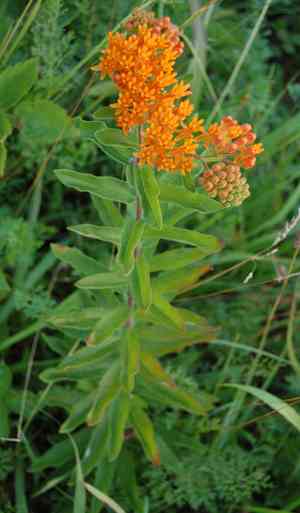
A lively perennial cherished by pollinators, butterfly weed flourishes with little trimming. Sever withered stalks in early spring for revitalization and detach seed capsules post-bloom to hinder self-propagation. Trimming during periods of active development is generally not required but can preserve its form. Strategic pruning, prior to bud formation, guarantees robust development and prevents interference with flowering periods. Advantages of pruning encompass heightened plant vitality, regulated expansion, and refined visual appeal.
Advantages of Trimming Butterfly Weed
Advantages of Trimming Butterfly Weed
Trimming butterfly weed promotes abundant blooming, stimulates vigorous development, and maintains a compact, visually appealing shape. It benefits the plant's health and presentation.
Optimal Time for Trimming Butterfly Weed
Optimal Time for Trimming Butterfly Weed
Early spring is ideal for cutting back butterfly weed as the plant is emerging from dormancy but hasn't begun significant new growth. This timing minimizes plant stress, allowing pruned areas to heal before energy is directed to foliage and flower production. Additionally, removing dead stalks at this time can encourage a bushier form and potentially more flowering sites. Late fall is also suitable for pruning once butterfly weed has entered dormancy. At this point, the plant's sap isn't actively flowing, reducing the risk of stress or disease entry through cuts. Late fall pruning also tidies the plant's appearance and lessens the chance of pests overwintering in dead plant material. It's crucial to avoid cutting back butterfly weed during its active growth and blooming period in summer to ensure the plant's energy is focused on flowering, which is vital for supporting pollinators like butterflies and bees.
Required Tools for Trimming Butterfly Weed
Hand Pruners
Perfect for cutting stems and branches of butterfly weed that are less than 3/4 inch thick. Bypass pruners are recommended for making clean cuts without harming the remaining stem.
Pruning Shears
Suitable for shaping and trimming butterfly weed. The blades allow for precise cuts and help maintain the plant's attractive appearance without damage.
Gloves
Hand protection while pruning butterfly weed, as its sap can irritate skin upon contact.
Garden Knife
Useful for dividing butterfly weed at the root ball when propagation is desired. A sharp blade ensures a clean cut, minimizing stress on the plant.
How to Trim Butterfly Weed
Step1: Examining Plant for Trimming Areas
Examine butterfly weed to identify parts needing trimming: spent flowers, diseased stems, and dead stems. Ensure accurate identification to avoid removing healthy growth.
Step2: Preparing and Sanitizing Trimming Tools
Prepare your tools. Use clean, sharp pruning shears or scissors. Sanitize your tools before and after trimming with rubbing alcohol to prevent disease spread.
Step3: Trimming Spent Flowers for More Blooms
Trim spent flowers to encourage butterfly weed to produce more blooms. Cut the stem just above a set of leaves using an angled cut to help shed water and promote healing.
Step4: Safely Removing Diseased Stems
Isolate diseased stems. Cut these stems back to the base or to a point below the diseased area if it doesn't extend down the entire stem. Dispose of diseased material properly to prevent infection spread.
Step5: Cutting Dead Stems to Ground Level
Remove dead stems. Cut these back to ground level to tidy the plant and direct energy to healthy growth. Do not pull dead stems as this can damage the root system.
Step6: Shaping Plant for Healthier Growth
Shape butterfly weed if desired by trimming back overgrown or leggy stems. Do this conservatively, as heavy pruning can reduce blooming. Cut just above a leaf node or branching point to encourage bushier growth.
Step7: Watering and Mulching After Trimming
After trimming, water butterfly weed if the soil is dry and apply a layer of mulch to help retain moisture, suppress weeds, and provide nutrients as it decomposes.
Post-Trimming Care for Butterfly Weed
Post-Trimming Care for Butterfly Weed
Immediately after trimming, water butterfly weed thoroughly, ensuring the soil is moist but not waterlogged. Place butterfly weed in a spot with full sun exposure, as it thrives in bright conditions. Adjust humidity and protect butterfly weed from extreme temperatures. A light application of a balanced, slow-release fertilizer aids recovery and growth. Regularly check butterfly weed for signs of stress, such as wilting or discolored leaves, which might indicate disease or pests. If symptoms occur, treat promptly with appropriate fungicides or pesticides.
Common Trimming Errors with Butterfly Weed
Over-trimming Harms Root System and Energy Reserves
Trimming too aggressively can damage butterfly weed's root system and deplete its energy reserves, which are vital for its survival and blooming.
Improper Cuts on Woody Base Impede New Growth
Cutting into the woody base of butterfly weed can harm the plant since new growth typically occurs on the green, flexible stems.
Leaving Dead Tissue Risks Disease and Pests
Leaving behind too much dead or damaged tissue can attract disease and pests, as well as detract from butterfly weed's aesthetic appeal.
Unsanitized Tools May Spread Plant Diseases
Neglecting to sanitize trimming tools before use on butterfly weed can spread diseases from plant to plant.
Too Short Stem Cuts Hinder Recovery and Regrowth
Failing to leave a few inches of stem when cutting back butterfly weed can reduce the plant's ability to recover and regrow.
General Trimming Advice for Butterfly Weed
Sharp Clean Shears for Healthy Cuts
Use sharp and clean trimming shears for a clean cut, which helps prevent damage to butterfly weed's stems and reduces the risk of disease.
Trim Above Leaves for More Blooms
Cut back the spent flower stems of butterfly weed to just above a set of leaves, which encourages further flowering without risking damage to the main stem or crown.
Remove Only Dead Foliage to Avoid Stress
Remove only the dead and yellowing foliage to maintain plant health and appearance without over-trimming, which can stress butterfly weed.
Selective Post-Flowering Trimming Maintains Growth
After flowering, selectively trim to shape butterfly weed as needed, but avoid heavy pruning as this can impair the plant's natural growth habit and ability to thrive.
Dispose Trimmed Material to Prevent Disease Spread
Ensure proper disposal of all trimmed material by discarding it far from butterfly weed to prevent the spread of any potential diseases or pests.



