How to Prune Pawpaw?
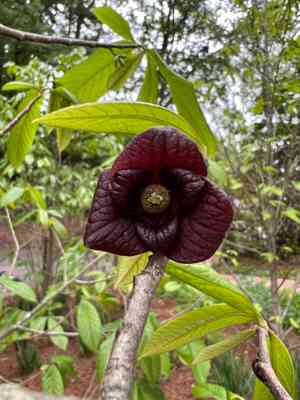
Pawpaw, a North American indigenous species characterized by its substantial, tropical-esque foliage and palatable produce, thrives with strategic trimming to sculpt its form and stimulate fruit bearing. Essential methods involve excising deceased or ailing branches, reducing congested limbs, and shortening branches to robust, outward-oriented buds. The most favorable period for pruning is late winter, prior to the onset of spring development. This practice guarantees superior air movement and light exposure, both crucial for the vigorous development and prolific yield of pawpaw.
What Are the Benefits of Pruning Pawpaw?
What Are the Benefits of Pruning Pawpaw?
Trimming pawpaw leads to a more abundant yield, stimulates robust development, and helps maintain a desired structure, ensuring the plant stays healthy and productive.
What Is the Best Time for Pruning Pawpaw?
What Is the Best Time for Pruning Pawpaw?
Late winter is considered the optimal period for pruning pawpaw as it allows cuts to heal before new growth emerges. This timing also prevents the removal of developing flower buds, which form in the prior season, thus preserving the plant's fruiting potential. Furthermore, the plant's dormant state during this time minimizes stress and the risk of disease or pest infestation at pruning sites. Pruning in this season helps maintain the desired shape and size of pawpaw, while eliminating dead or diseased wood and enhancing air circulation within the canopy, which is crucial for overall plant health and vigor.
What Tools Do I Need to Prune Pawpaw?
Hand Pruners
Perfect for making clean cuts on smaller pawpaw branches, typically up to 1 inch in diameter. These are vital for precise trimming during shaping or deadwood removal.
Lopping Shears
Effective for cutting branches between 1 and 2 inches thick. Offering greater leverage due to their long handles, these shears assist in managing pawpaw's thicker growth without harming the plant.
Pruning Saws
Essential for larger branches exceeding 2 inches in thickness, where hand pruners and lopping shears are insufficient. Equipped with sharp teeth, these saws can cleanly cut through pawpaw's substantial branches without tearing the bark.
Pole Pruners
Beneficial for reaching higher branches without needing a ladder. Pawpaw can grow quite tall, and a pole pruner provides the necessary extended reach for maintaining the upper parts of the tree.
Pruning Gloves
Shield hands from pawpaw's rough bark and prevent sap-related skin irritation, ensuring a safe pruning experience.
Garden Ladder
Provides stable support when trimming higher pawpaw branches that are out of reach from the ground but can be safely accessed with a ladder.
How to Prune Pawpaw
Step1: Timing Pruning for Plant Health
Evaluate pawpaw for pruning during late winter or early spring before new growth starts. This timing helps prevent disease entry and reduces stress on pawpaw.
Step2: Sanitize Pruning Tools
Disinfect all pruning tools with a solution of one part bleach to nine parts water to prevent the spread of diseases.
Step3: Prune Dead Branches
Begin by removing all dead branches. Make cuts at a 45-degree angle approximately 1/4 inch above an outward-facing bud. This promotes growth away from the center.
Step4: Remove Diseased Limbs
Identify and trim away diseased limbs. Look for limbs with unusual coloration, growths, or signs of decay. Cut the limb 6-12 inches below the affected area and dispose of it properly to prevent disease spread.
Step5: Cut Off Suckers
Address suckers, which are vigorous vertical shoots emerging from the roots or lower trunk. Cut these suckers as close to the base as possible, using clean, sharp pruners.
Step6: Thinning for Air and Light
Thin the interior of pawpaw to enhance air circulation and light penetration. Remove selected branches that cross each other or grow inward. Thinning should be done cautiously to avoid over-pruning.
Step7: Shaping the Canopy
Shape pawpaw by selectively pruning to maintain a balanced, open structure. Preserve the characteristic form of pawpaw, encouraging horizontal branch growth.
Step8: Control Height and Spread
Prune to manage the height and spread of pawpaw, if desired, by trimming the tallest branches back to a lateral branch or bud. This must be done carefully to ensure the natural form is not compromised.
Step9: Cleanup After Pruning
After pruning, clear away all removed plant material from around pawpaw. This helps to prevent potential pest or disease issues.
Step10: Limit Pruning Intensity
Avoid aggressive pruning; pawpaw does not require it and can be harmed by excessive cutting. Limit pruning to no more than one-third of the total canopy in a year.
Step11: Monitor Pruning Wounds
Observe the pruning cuts throughout the growing season to ensure proper healing. Watch for signs of pest infestation or disease around the cut areas.
Post-Pruning Care for Pawpaw
Post-Pruning Care for Pawpaw
After trimming pawpaw, immediately water the plant to aid recovery, and apply a thin layer of mulch to retain soil moisture without touching the trunk. Maintain partial shade and moderate humidity to reduce stress, ensuring temperatures remain temperate. Fertilize with a balanced, slow-release formula to support new growth but avoid over-fertilization which can hinder healing. Regularly inspect for wilting, discoloration, or signs of infection, and if detected, treat promptly with appropriate fungicides or pest control measures.
Common Pruning Mistakes with Pawpaw
Avoid Excessive Pruning
Over-pruning which can stress pawpaw, leading to poor growth and reduced fruit production.
Don't Cut Too Close to Trunk
Trimming too close to the trunk which can create wounds susceptible to infections and pests.
Preserve Old Wood with Buds
Removing too much old wood where pawpaw may have latent fruiting buds, potentially decreasing the yield.
Sanitize Tools to Prevent Disease
Neglecting to sanitize pruning tools before and after use, which can spread diseases to pawpaw.
Plan Before Pruning
Pruning without a strategy, which can result in an unbalanced shape or removal of potentially productive branches.
Common Pruning Tips for Pawpaw
Promote Light and Air with Central Leader
Prune to maintain a central leader or open center to enhance light penetration and air circulation, contributing to pawpaw's overall health.
Remove Dead Wood for Health
Remove dead or damaged wood to prevent disease and encourage the growth of healthy branches.
Thin Crowded Branches for Better Fruit
Thin out crowded branches to improve fruit size and quality by distributing energy to fewer, stronger branches.
Angle Cuts for Healthy Outward Growth
Make clean cuts at a 45-degree angle away from buds to promote healing and direct new growth outward.
Keep Year-Old Branches for Fruiting
Retain sufficient numbers of one-year-old branches since these will become next year's fruiting wood.
Use Sharp, Clean Tools for Clean Cuts
Use sharp, clean pruning tools to make precise cuts, reducing stress on pawpaw and promoting quicker healing.
Assess Shape for Symmetrical Pruning
Step back periodically to evaluate the shape and to ensure that pawpaw is being pruned symmetrically.
Prune Canopy Gradually Each Season
Remember to prune strategically, aiming to remove no more than one-third of the total canopy in a single season.



