How to Prune False buck's beard?
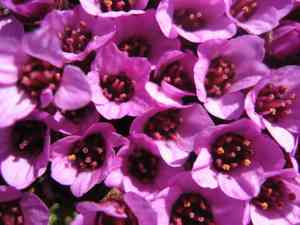
Astilbe, known for its delicate plumes and fern-like leaves, flourishes with proper trimming. After flowering, deadhead faded blossoms to stimulate further blooms. Trim back the foliage in late autumn or early spring to improve its look and foster robust development. The best time for pruning is during its dormant period to reduce strain on Astilbe. Trimming invigorates Astilbe, boosts its capacity for flowering, and wards off illnesses by enhancing air movement.
What Are the Benefits of Pruning False Buck's Beard?
What Are the Benefits of Pruning False Buck's Beard?
Trimming false buck's beard promotes abundant blooms, stimulates vigorous development, and maintains a tidy shape. This selective cutting is crucial for its well-being and decorative appeal.
What Is the Best Time for Pruning False Buck's Beard?
What Is the Best Time for Pruning False Buck's Beard?
In early spring, false buck's beard is still inactive, making its structure visible without leaf obstruction. This is the perfect time to remove any dead or damaged stems before its growth cycle begins. Pruning now encourages new growth, maintains an attractive form, and prevents disease spread. Late fall, post-blooming and once the plant is dormant, is also suitable. This tidies the plant, removing spent flowers and declining foliage that could attract pests and diseases over winter. Pruning at this time directs energy to the roots, preparing false buck's beard for a healthy start next season.
What Tools Do I Need to Prune False Buck's Beard?
Hand Pruners
Perfect for snipping off dead or faded blooms and for cutting back false buck's beard in late winter or early spring, ensuring accuracy without harming delicate stems.
Pruning Shears
Optimal for shaping false buck's beard and controlling its size, suitable for cutting stems up to half an inch thick.
Gardening Gloves
Offers hand protection while pruning false buck's beard, allowing for safe handling of the plant.
Garden Waste Bag
Useful for gathering and disposing of false buck's beard cuttings, promoting a clean workspace.
How to Prune False Buck's Beard
Step1: Timing for Pruning
Choose the correct time to prune false buck's beard. The ideal period for pruning is late winter or early spring before new growth emerges, as early pruning can remove flower buds and reduce blooming.
Step2: Preparing Pruning Shears
Utilize clean, sharp pruning shears. Sanitize the shears with rubbing alcohol or a 10% bleach solution to prevent disease transmission.
Step3: Spotting Old Flowers
Identify old flowers that require removal. Look for spent flower clusters that appear faded and dry.
Step4: Cutting at Flower Base
Cut the old flowers at the base of their stalk. Make a clean cut just above where the flower stalk meets the main stem or foliage.
Step5: Locating Withered Stalks
Find withered stalks. These are the flower stems that have turned brown and dried out after blooming has concluded.
Step6: Trimming Withered Stalks
Trim the withered stalks. Cut them down to ground level to promote vigorous new growth. Be careful not to harm new emerging shoots.
Step7: Disposal of Pruning Debris
Properly discard the pruned material. Remove all cuttings from the garden to lessen the chance of disease and pests.
Step8: Post-Pruning Watering
Water false buck's beard after pruning to help alleviate plant stress and encourage new growth.
Step9: Mulching after Pruning
Apply mulch around the base of false buck's beard to supply nutrients, retain soil moisture, and safeguard the roots.
Post-Pruning Care for False Buck's Beard
Post-Pruning Care for False Buck's Beard
After pruning false buck's beard, promptly water the soil to aid recovery, avoiding wetting the foliage. Ensure false buck's beard is placed in part-shade to avoid direct sunlight, maintaining moderate humidity and cool temperatures. Fertilize with a balanced, slow-release formula to support new growth. Monitor false buck's beard for wilted leaves or discoloration suggestive of stress or infection. If symptoms appear, adjust care and consult a specialist. Regular observation will contribute to false buck's beard's healthy regrowth.
Common Pruning Mistakes with False Buck's Beard
Pruning before buds form impedes flowering
Trimming the foliage too early, which might remove newly forming buds, hindering false buck's beard's blooming potential.
Cutting flower stalks too low reduces plant energy
Cutting back false buck's beard's flower stalks to the ground, which can lead to reduced vigor and, in some cases, impair the plant's ability to store energy for the subsequent growing season.
Improper pruning that damages the plant crown
Pruning in a manner that leaves the plant's crown exposed or harmed, jeopardizing the health and resilience of false buck's beard during colder weather.
Neglecting to remove dead or diseased stems
Ignoring dead or diseased stems, which can result in a less attractive display and potentially spread disease to healthy parts of false buck's beard.
Over-pruning weakens plant and its disease resistance
Removing an excessive amount of foliage, causing undue stress to false buck's beard, which may lead to a weakened state and reduced ability to ward off pests and diseases.
Common Pruning Tips for False Buck's Beard
Deadhead by cutting above first healthy leaf set
Remove spent blooms on false buck's beard by cutting the flower stalk just above the first set of full, healthy leaves to encourage a neat appearance and potential re-flowering.
Trim after flowering, preserve green for photosynthesis
Once flowering has ceased, trim back neatly to shape false buck's beard, focusing on removing only dead or diseased foliage to retain as much greenery as possible for photosynthesis.
Revitalize by removing half of oldest stems only
When managing overgrown false buck's beard, removing one-third to one-half of the oldest stems can rejuvenate the plant without causing shock.
Inspect and clear debris for better air flow
Regularly inspect false buck's beard and remove any debris or dead material at the base to promote good air circulation and reduce the risk of fungal diseases.
Evenly distribute cuts for natural shape
Distribute cuts evenly throughout false buck's beard to ensure a balanced, natural shape, rather than shearing uniformly which can lead to a less appealing, artificial appearance.



