How to Prune White wild indigo?
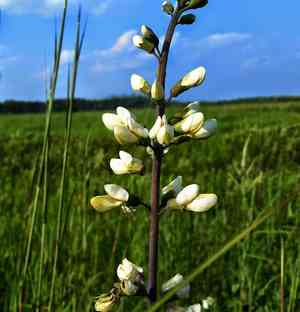
White wild indigo, a herbaceous perennial admired for its lupine-like flower spikes and clover-shaped leaves, thrives with yearly trimming. Remove the plant's faded flower stems down to the basal leaves to stimulate further blooms and preserve a neat look. Trimming in early spring fosters strong development, whereas late summer is perfect for shaping. Refrain from drastic cutting, as this might impede flowering. Thoughtful pruning improves plant vitality, encourages fresh development, and can lead to a more abundant bloom in the subsequent season.
What Are the Benefits of Pruning White Wild Indigo?
What Are the Benefits of Pruning White Wild Indigo?
Trimming white wild indigo promotes robust development and helps maintain its form. By eliminating dead or overgrown branches, white wild indigo remains healthy and visually appealing, ensuring optimal growth and longevity.
What Is the Best Time for Pruning White Wild Indigo?
What Is the Best Time for Pruning White Wild Indigo?
Pruning white wild indigo in early spring is optimal as the plant is just emerging from winter dormancy, allowing gardeners to shape it and stimulate new growth without causing stress. This timing also aids in disease prevention, as wounds heal rapidly during the growing season. Late summer pruning should be approached carefully, focusing on removing spent flowers or seed pods to encourage a second bloom. It's crucial to avoid extensive pruning late in the season, as new growth might not harden off before the first frost. Pruning during these periods aligns with white wild indigo's growth cycle, ensuring health and vigor while preserving its natural flowering schedule.
What Tools Do I Need to Prune White Wild Indigo?
Bypass Pruners
Perfect for making precise cuts through the green, live stems of white wild indigo, minimizing plant damage.
Lopping Shears
Ideal for reaching into thick foliage or cutting through thicker branches that bypass pruners can't handle, providing leverage and extended reach.
Pruning Saw
Useful for any mature or woody stems of white wild indigo that are too thick for loppers, ensuring clean cuts without harming the plant.
Garden Gloves
Protective gear to safeguard the gardener from white wild indigo's sturdy stems and potential skin irritants during the pruning process.
Garden Sanitizer
For disinfecting tools before and after pruning white wild indigo to prevent disease spread, fostering a healthy growth environment.
How to Prune White Wild Indigo
Step1: Prepare Pruning Tools
Gather clean, sharp pruning shears and gloves. Sanitize the shears with rubbing alcohol to prevent disease transmission.
Step2: Identify Dead Flowers
Locate the withered flowers on white wild indigo. Dead flowers will appear brown and dry, unlike the vibrant color of healthy blooms.
Step3: Cut Off Dead Blooms
Snip the dead flowers at their base, just above the first set of leaves below the bloom. Make a clean cut without tearing the stems.
Step4: Remove Damaged Stems
Find damaged stems on white wild indigo. These might look broken, discolored, or show signs of disease or pest damage.
Step5: Prune Back to Healthy Growth
Cut back the damaged stems to a healthy set of leaves or to the main stem. Ensure the cut is angled away from the bud to allow water to run off and prevent rot.
Step6: Trim Old Seed Pods
Locate the old seed pods, which will be dry and brown on the plant.
Step7: Prune for Seed Collection or Aesthetics
Trim the old seed pods at their base, or to the nearest leaf node if collecting seeds. If not collecting seeds, consider leaving some pods for winter interest and to encourage self-sowing.
Step8: Shape the Plant
Shape white wild indigo, if desired, by removing any outlying stems that disrupt the plantâs natural form. Focus on creating an even look without compromising the plant's structure.
Step9: Clean Plant Debris
Clear away all trimmings from around white wild indigo to prevent any potential disease and pest harborage.
Step10: Nourish Post-Pruning
Water and feed white wild indigo if necessary, to support recovery and new growth after pruning.
Step11: Monitor Plant Health
Observe white wild indigo for signs of new growth and overall health, adjusting maintenance practices as needed.
Post-Pruning Care for White Wild Indigo
Post-Pruning Care for White Wild Indigo
After pruning, white wild indigo needs immediate hydration to reduce stress, aiding in quick recovery. Ensure white wild indigo is in well-lit conditions but protected from intense afternoon sun. Maintain consistent soil moisture without over-saturation, and stabilize temperatures to avoid extremes. Apply a balanced fertilizer to encourage regeneration. Regularly check white wild indigo for discoloration or wilting as indicators of distress. At any sign of infection, such as unexpected leaf drop or spots, provide appropriate fungicide treatment and adjust care variables.
Common Pruning Mistakes with White Wild Indigo
Over-Pruning Stress
Pruning too aggressively, which can stress white wild indigo and result in less vigorous growth or reduced flowering.
Using Dull or Dirty Tools
Employing dull or unsanitized pruning tools, potentially harming the stems of white wild indigo and introducing disease.
Incorrect Bud or Shoot Removal
Removing new shoots or buds, which can inadvertently diminish the floral display of white wild indigo in the subsequent season.
Cutting into Non-Rejuvenating Old Wood
Pruning into old wood that doesn't readily produce new growth, risking the health and form of white wild indigo.
Neglecting to Remove Unhealthy Stems
Ignoring dead, diseased, or damaged stems during pruning, which can hinder the overall health and aesthetics of white wild indigo.
Common Pruning Tips for White Wild Indigo
Clean Cuts with Sharp Tools
Use sharp, clean pruning tools to make precise cuts that will heal quickly and minimize the risk of disease.
Thinning for Better Airflow and Light
Focus on thinning out dense areas of growth to improve air circulation and light penetration, promoting a healthier white wild indigo.
Pruning Dead or Diseased Branches
Identify and remove any dead, diseased, or damaged stems to maintain the vitality and appearance of white wild indigo.
Prune to Maintain Natural Shape
Maintain the natural shape of white wild indigo by pruning just above the leaf nodes at a slight angle to encourage new growth.
Cautious Post-Flowering Pruning
After flowering, prune to shape the plant and encourage bushiness, but be careful not to remove too much growth as white wild indigo blooms on old wood.
Gradual Heavy Pruning for Rejuvenation
If rejuvenation is necessary, spread heavy pruning over a few years to give white wild indigo ample time to recover without significant stress.



