How to Prune Yellow Birch?
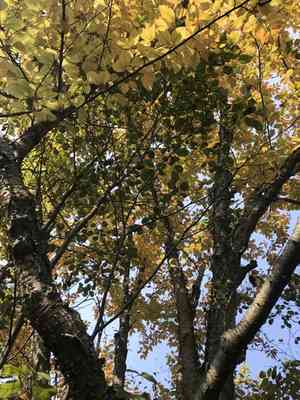
This deciduous hardwood is identifiable by its lustrous, golden-hued bark that exfoliates in slender horizontal layers. For yellow Birch, the most advantageous trimming occurs in late winter or early spring prior to the emergence of new foliage, while the tree is inactive. Trim to eliminate deceased or ailing branches, enhance its structure, and boost light infiltration and air circulation. Judicious pruning also diminishes the likelihood of birch borer infestations, safeguarding the plant's well-being and lifespan. Refrain from excessive cutting to avert strain on yellow Birch.
What Are the Benefits of Pruning Yellow Birch?
What Are the Benefits of Pruning Yellow Birch?
Trimming yellow Birch promotes robust development and helps maintain its desired shape. Strategic cuts enhance light penetration and air flow, fostering a strong framework and boosting overall vigor.
What Is the Best Time for Pruning Yellow Birch?
What Is the Best Time for Pruning Yellow Birch?
Pruning yellow Birch in late winter or early spring is advantageous because the plant is dormant, minimizing stress and reducing sap flow that could attract pests or cause excessive bleeding. This timing allows for the removal of any damaged or diseased branches before new growth begins. Additionally, the bare branches offer better visibility for making precise cuts. This period precedes the spring growth spurt, ensuring cuts heal quickly, thereby reducing infection risk and encouraging vigorous new growth.
What Tools Do I Need to Prune Yellow Birch?
Hand Pruners
Perfect for making clean cuts on small branches and twigs of yellow Birch. Ensure pruners are sharp and bypass-type to avoid crushing branches.
Loppers
These are suitable for slightly larger branches that hand pruners cannot manage, offering longer handles for increased leverage and reach.
Pruning Saw
Essential for cutting branches over 1.5 inches in diameter that hand pruners and loppers cannot handle without harming yellow Birch.
Pole Pruner
This tool helps access higher branches safely from the ground, reducing the need for climbing or using ladders while pruning yellow Birch.
Shears
Useful for shaping hedges if yellow Birch is grown as a formal hedge or for creating distinct lines.
Safety Gear
Always include gloves and safety glasses in the pruning kit to protect against scratches and eye injury from flying debris while pruning yellow Birch.
How to Prune Yellow Birch
Cleaning tools
Before starting, clean and sanitize all pruning tools. This prevents the spread of disease to yellow Birch.
Diseased stems
Identify and remove any diseased stems first. Cut these back to healthy wood, ensuring cuts are clean and at a slight angle away from the remaining healthy stems of yellow Birch.
Old wood
Trim old wood to stimulate new growth. Target older, non-productive branches by cutting them at their base, close to the trunk of yellow Birch. Avoid cutting into the collar, the swollen area where the branch joins the trunk.
Deadwood
Remove deadwood by cutting at the point just above where new growth is visible. This helps maintain the health and appearance of yellow Birch, and encourages healthier, more robust growth.
Cleanup cut areas
After pruning, clean all cut areas with a damp cloth to remove any remaining debris or sawdust. This promotes faster healing of the wounds on yellow Birch.
Common Pruning Mistakes with Yellow Birch
Over-pruning
Removing too much foliage at once can shock yellow Birch, leading to growth issues or even tree death.
Improper cut positions
Incorrect cutting locations, such as too close or too far from the main stem, can hinder proper callus formation and invite pests or diseases.
Tearing bark
Tearing the bark during pruning can expose yellow Birch to various infections and decay.
Flush cuts
Making flush cuts against the trunk can damage yellow Birch's bark and vital branch collar, slowing the healing process.
Neglecting tool sanitation
Using unsanitized tools can spread pathogens among yellow Birch and other plants.
Not pruning dead wood
Failing to remove dead or diseased branches prevents yellow Birch from directing energy towards healthy growth.
Neglecting tree structure
Ignoring the natural structure and shape of yellow Birch when pruning may result in an unattractive and weak tree.
Ignoring wound size
Making excessively large cuts on yellow Birch can significantly increase the risk of diseases and hinder the tree's healing capabilities.
Common Pruning Tips for Yellow Birch
Sharp tools
Always use sharp and clean pruning tools to make clean cuts without damaging yellow Birch's bark and ensure quick healing.
Three cut method
When removing large branches, use the three-cut method on yellow Birch to prevent bark stripping: an undercut first, a relief cut second, and a final cut near the branch collar.
Proper cutting angle
Make cuts at a slight angle, away from the bud, to allow water to run off and prevent diseases in yellow Birch.
Follow the branch collar
When pruning yellow Birch, cut just outside the branch collar without injuring it to promote efficient wound healing.
Sequential pruning
Remove branches in a systematic manner, starting with dead or diseased limbs, followed by crossing or rubbing branches on yellow Birch.
Crown thinning
Thin out yellow Birch's crown to improve light penetration and air circulation, but never remove more than 25% of the crown at once.
Judicious pruning
Be conservative with the pruning cuts on yellow Birch, focusing on the overall health and structure rather than size reduction.
Annual assessment
Conduct regular inspections of yellow Birch to identify problematic branches early and address them before they require major cuts.



